Can Alzheimer's be cured before its onset? Find out
Scientists are working on a drug that can work wonders for Alzheimer's
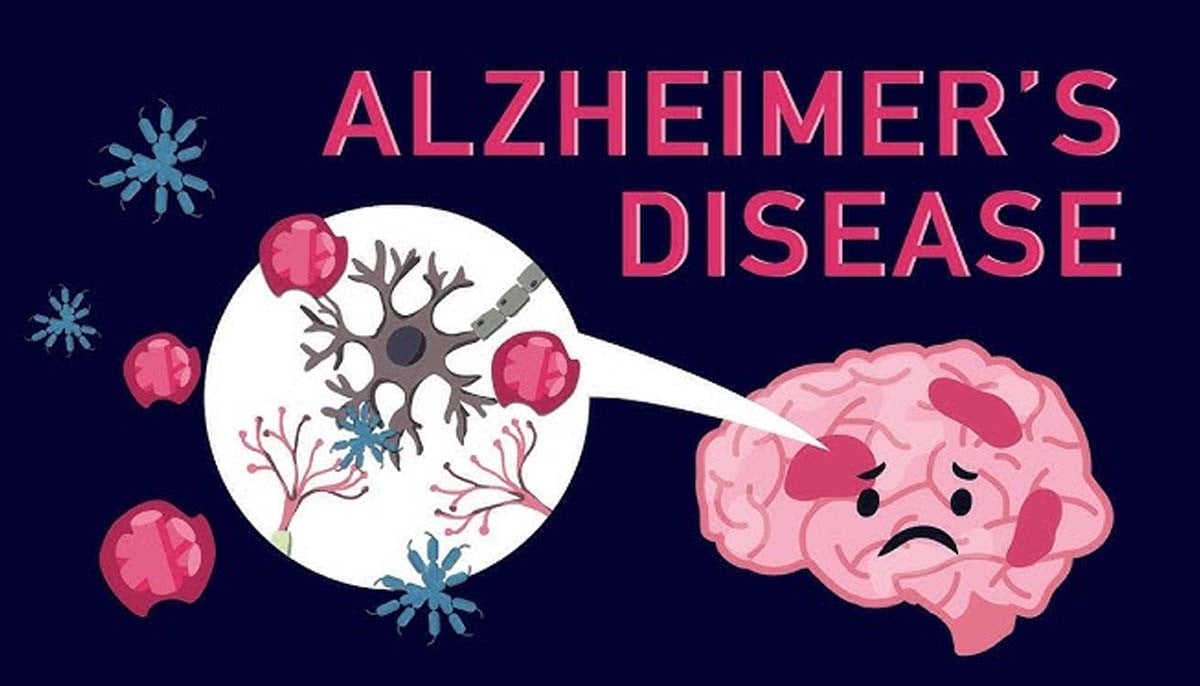
A new drug being developed by scientists at Northwestern University may offer an exciting way to slow down or prevent Alzheimer’s disease before symptoms even appear.
The drug, called NU-9, was recently tested in a study using mice and showed strong effects against the earliest brain changes linked to Alzheimer’s.
These results bring new hope for treating the disease in its early stages, before memory loss and other problems begin.
Alzheimer’s disease doesn’t start suddenly. It develops gradually in the brain, often many years before people notice symptoms. In this early stage, harmful protein clusters known as amyloid beta oligomers begin to form.
These toxic protein groups can damage brain cells, cause inflammation, and trigger immune responses. The recent study found a previously unknown subtype of these toxic proteins that appears especially harmful in the early stages of the disease.
The researchers discovered that NU-9 can reduce this toxic protein subtype and prevent much of the damage it causes. When given to mice with early signs of Alzheimer’s, the drug lowered inflammation in the brain, reduced the number of toxic protein clusters, and helped brain cells stay healthy.
NU-9 even reduced levels of another harmful protein called TDP-43, which is linked to memory and thinking problems in both Alzheimer’s and other brain diseases.
This research is a huge lead in science as it focuses on stopping Alzheimer’s at the very beginning—before symptoms start and before major brain damage occurs.







-
 Was the human brain once two separate organs? Scientists find new clues
 -
 Novo Nordisk partners with Anthropic to accelerate AI-powered drug discovery
 -
 Congo Ebola outbreak reaches turning point as daily infections fall
 -
 Study reveals why some babies are born with heart defects
 -
 Third measles-associated death reported as Pennsylvania outbreak reaches 676 cases
 -
 Cyclosporiasis outbreak: US officially ends largest outbreak linked to contaminated lettuce
 -
 Hot beverages increase risk of cancer? New research provides in-dept details
 -
 Highest-level recall issued for potato chips over banned ingredient posing death risk