Researchers uncover breakthrough drug for diabetes
Scientist have discovered a breakthrough in treating diabetic symptoms
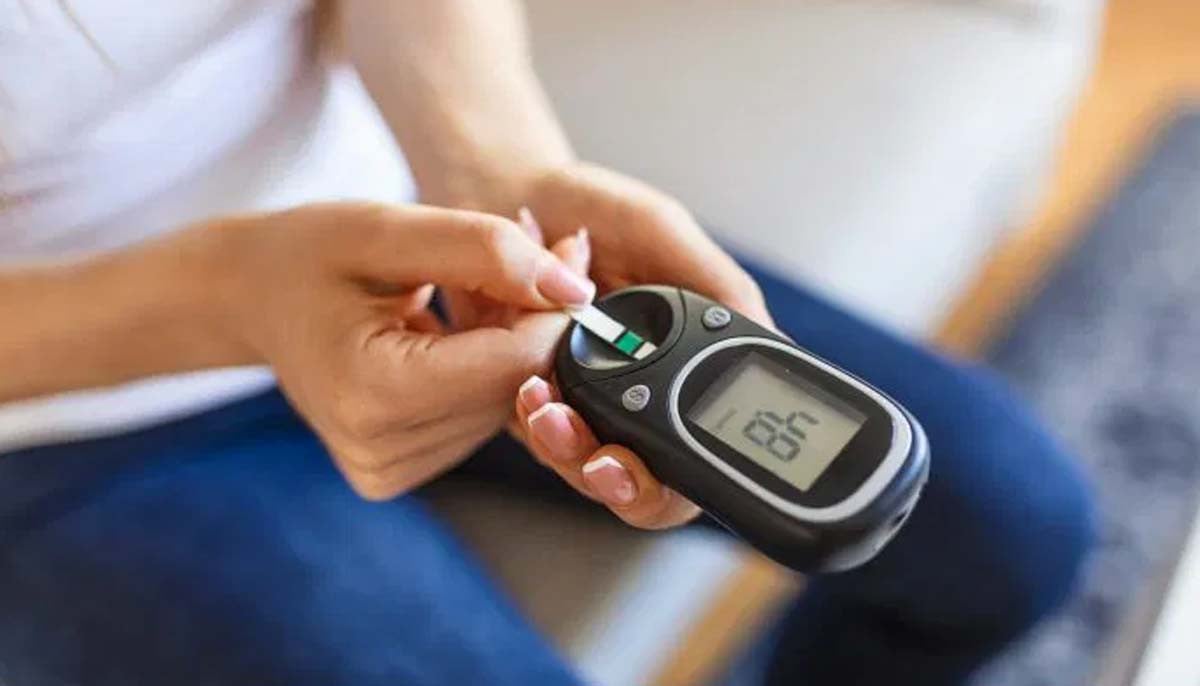
Scientists at NYU Langone Health have discovered a new drug compound that may help treat some of the most serious problems caused by diabetes.
In studies with mice, this compound reduced inflammation, limited cell damage, and helped organs like the heart and kidneys recover better. It even sped up wound healing.
The drug, called RAGE406R, works by inhibiting two harmful proteins—RAGE and DIAPH1—from interacting.
This discovery, which was on the cover of the journal Cell Chemical Biology, focuses on a different approach from most diabetes medications.
Instead of lowering blood sugar, RAGE406R works inside the body’s cells to stop damage before it happens. If further tests in humans are successful, this treatment could offer hope for people with both Type 1 and Type 2 diabetes.
Diabetes can lead to long-term complications, including kidney failure, heart disease, and slow healing of cuts and wounds. These problems often happen because of molecules called AGEs, or advanced glycation end products.
These molecules form when sugars stick to proteins or fats in the body—a process that happens more often in people with diabetes. When AGEs build up, they bind to a protein called RAGE, which triggers damage and inflammation.
One key part of this process is the protein DIAPH1, which connects to the inner part of RAGE and helps form parts of the cell’s inner structure. This interaction makes the effects of AGEs worse.
In lab experiments and tests on mice, the compound worked well to reduce symptoms linked to diabetes.
The researchers applied it to the skin of mice with Type 2 diabetes and found that it helped wounds heal faster. This is important because people with diabetes often suffer from wounds that don’t heal properly and can become infected.
This research is still in its early stages, but it represents an exciting step toward better treatments for millions of people living with diabetes.



-
 OpenAI agents uncover brain disease leads: Here’s how
 -
 AI tool can now predict cancer survival by a single patient selfie: Find out how
 -
 Scientists identify a new type of depression affecting 1 in 4 patients
 -
 Everything to know about US FDA’s new guidance on apps used with prescription drugs
 -
 ‘Immortal’ jellyfish could hold clues to slowing human ageing
 -
 Ebola crisis worsens in DR Congo as virus reaches eighth province with over 4,500 dead
 -
 Study finds eating blueberries every day can surprisingly boost your mood
 -
 Eli Lilly’s Foundayo weight-loss pill gets European approval recommendation
-
 What is BPC-157? Trump administration considers easing rules on popular peptide injections
 -
West Nile virus: Europe reports 141 deaths as human cases rise in 2026
-
Health Canada reviewing new mRNA flu vaccine that could prevent more hospitalisations
-
Scientists discover hidden drainage route at the back of the eye