
IBS dominance in women reason comes to light
Women are likely to suffer from IBS in comparison to men and now the cause has been studied
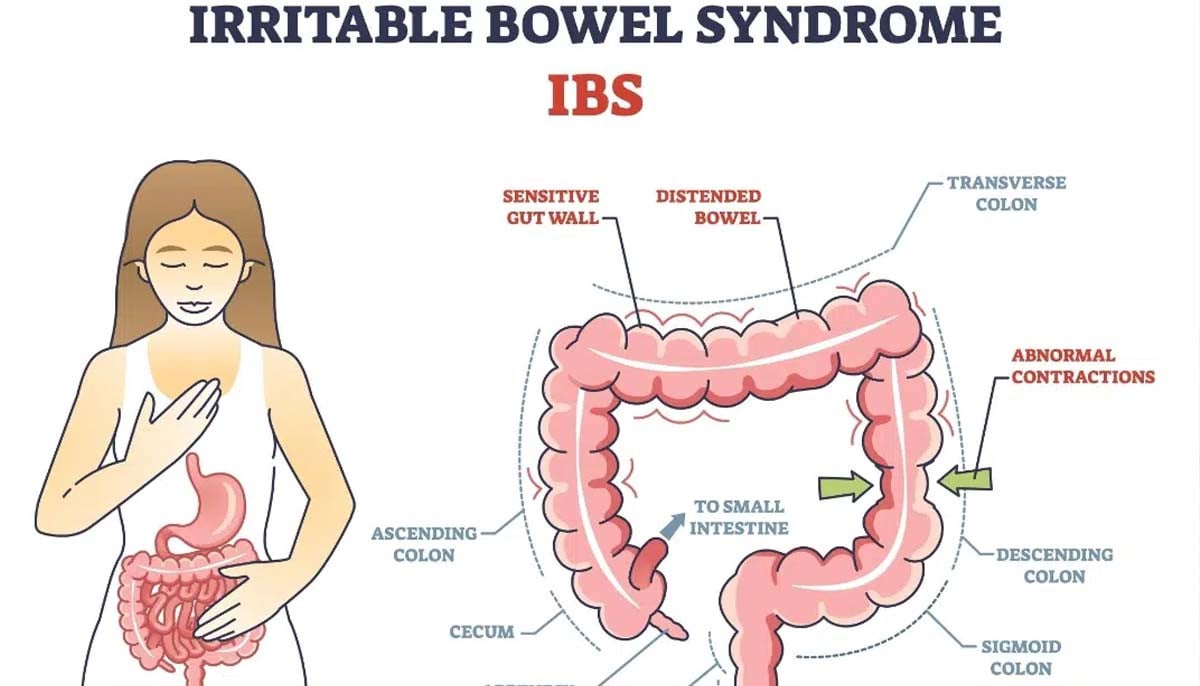
Women are way more likely than men to suffer from irritable bowel syndrome (IBS), a chronic condition causing digestive discomfort, abdominal pain and bloating.
Now, scientists at UC San Francisco have may have discovered why. Estrogen, the researchers report in Science, activates previously unknown pathways in the colon that can trigger pain and make the female gut more sensitive to certain foods as well as their digestive breakdown products.
When male mice were given estrogen to mimic the levels found in females, their gut pain sensitivity increased to match that of females.
The findings not only explain the female predominance in gut pain disorders but also point to potential new ways to treat the conditions.
"Instead of just saying young women suffer from IBS, we wanted rigorous science explaining why," said Holly Ingraham, Ph.D., the Herzstein Professor of Molecular and Cellular Pharmacology at UCSF and co-senior author of the study. "We've answered that question, and in the process identified new potential drug targets."
The research also suggests why low-FODMAP diets—which eliminate certain fermentable foods, such as onions, garlic, honey, wheat, and beans—help some IBS patients, and why women's gut symptoms often fluctuate with their menstrual cycles.
"We knew the gut had a sophisticated pain-sensing system, but this study reveals how hormones can dial that sensitivity up by tapping into this system through an interesting and potent cellular connection," said co-senior author David Julius, Ph.D., the Morris Herzstein Chair in Molecular Biology and Medicine and chair of Physiology.
Julius went on to win the 2021 Nobel Prize for Physiology or Medicine for his work on pain sensation.







-
 World oceans just had their hottest June on record: Here's why it matters
 -
 Owner survives but young puppy suffers tragic end after dog attack
 -
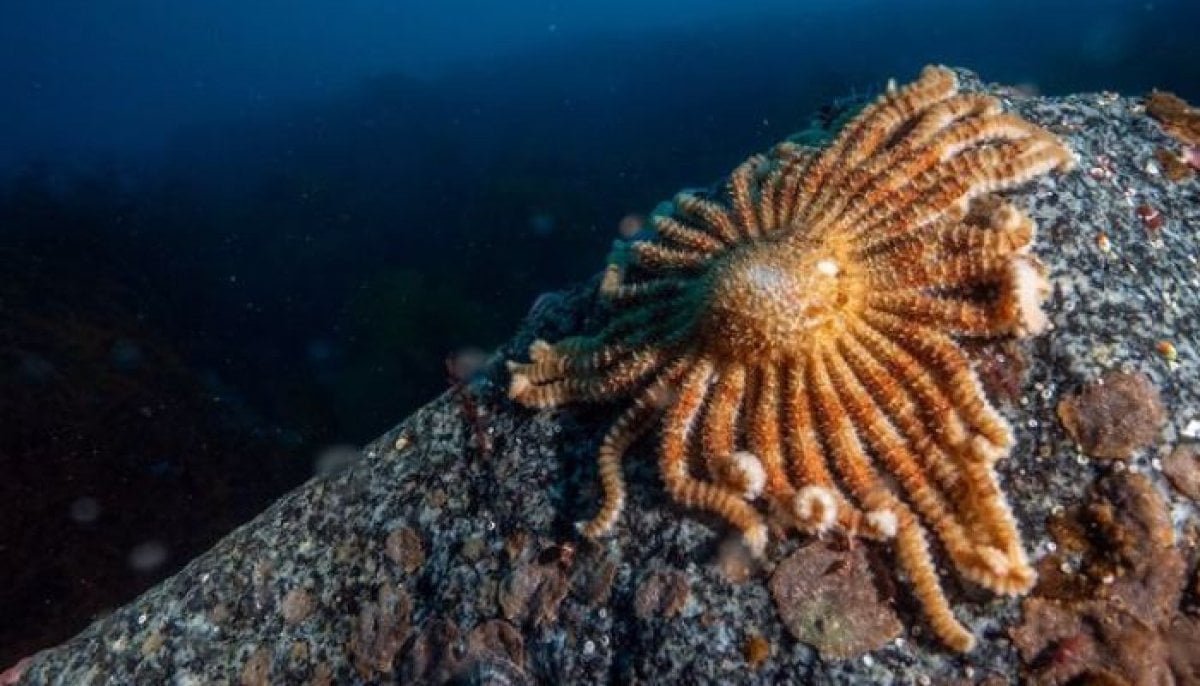 Scientists discover tiny Antarctic sea creature that could help fight melanoma
 -
 Is UK heading for another heatwave? Here's what the latest forecast says
 -
 Shocking discovery at 'no-kill' shelter leaves dog owners distraught
 -
 EU launches investigation into Sanofi over alleged flu vaccine disparagement
 -
 How to survive Heatwave: Expert tips to stay cool in extreme temperatures
 -
 Rare genetic clue linked to healthy aging found in long-lived families


