Revolutionary FDA-approved antibiotics may finally stop drug-resistant gonorrhoea
The world is witnessing more than 82 million infections annually across the world, WHO says
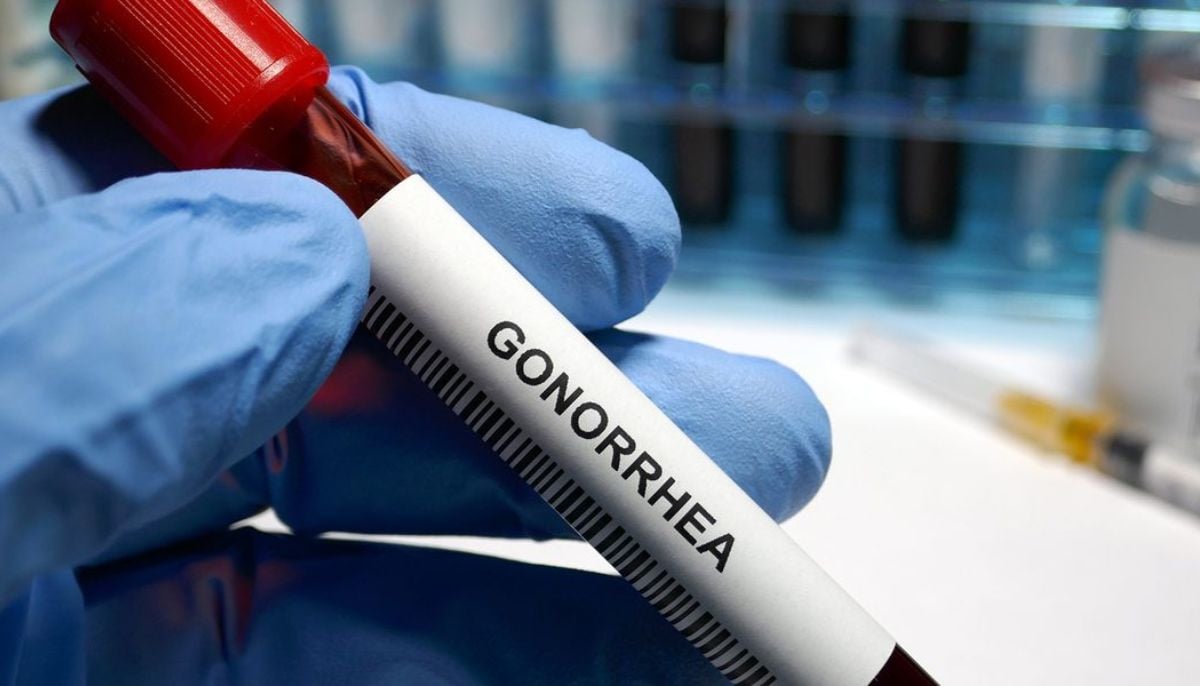
Gonorrhoea is one of the most common sexually transmitted diseases (STDs), which is on rise globally.
According to the World Health Organization’s estimations, the world is witnessing more than 82 million infections annually across the world. Among all the regions, Africa has been grappling with high rates.
The cases of gonorrhoea have spiked at a record high. Moreover, the occurrence rates were three times higher in 2023.
To make the matter worse is the prevalence of drug-resistant strains of the bacterium, which is designated as “priority pathogen” by WHO.
In the midst of the worrying situation, the approval of new antibiotics for treatment has been hailed as a “turning point” for drug-resistant gonorrhoea.
Zoliflodacin, one of the two new treatments for STDs, has received regulatory approval from the US Food and Drug Administration (FDA) on December, 12.
Although zoliflodacin can pose risks to health, according to researchers the targeted use of antibiotics will slow the growth of drug-resistant pathogens.
According to findings of clinical trials published in the Lancet, zoliflodacin reportedly proved efficacious against 90 percent of genital gonorrhoea infections.
Moreover, Gepotidacin, an antibiotic developed by the pharmaceutical company GSK, was also approved last week as an effective treatment against the strains of gonorrhoea.
According to Dr Manica Balasegaram, executive director of GARDP, “This approval marks a huge turning point in the treatment of multidrug-resistant gonorrhoea, which until now has been outpacing antibiotic development.”
Dr Rossaphorn Kittiyaowamarn, principal investigator of the trial in Thailand, said, “As clinicians, we see the devastating impact drug-resistant gonorrhoea can have on people’s lives in Thailand.”
“Having a single-dose, oral treatment like this will be a game-changer for gonorrhoea control. This is essential to reduce the burden of disease for individuals and to prevent the spread of highly drug-resistant gonorrhoea globally,” he added.


-
 Measles cases in US top 4,000 nationwide, CDC reports
 -
 Sexually transmitted diarrhea spread in US, UK: Why antibiotics are failing against Shigella
 -
 Who is Song Li? China puts her forward for WHO leadership role
 -
 CDC monitors travelers from Siberia after plague worker’s death, director says
 -
 Russia pushes back on plague death reports, defends WHO notification
 -
 WHO deems Russia plague risk 'low' following lab technician’s fatal illness
 -
 New York declares Measles state of emergency amid nationwide disease resurgence
 -
 First-of-its-kind treatment shrinks unborn baby’s tumour before birth