The constipation epidemic and how to cure it at home
It has been estimated that 16 out of 100 people suffer from constipation
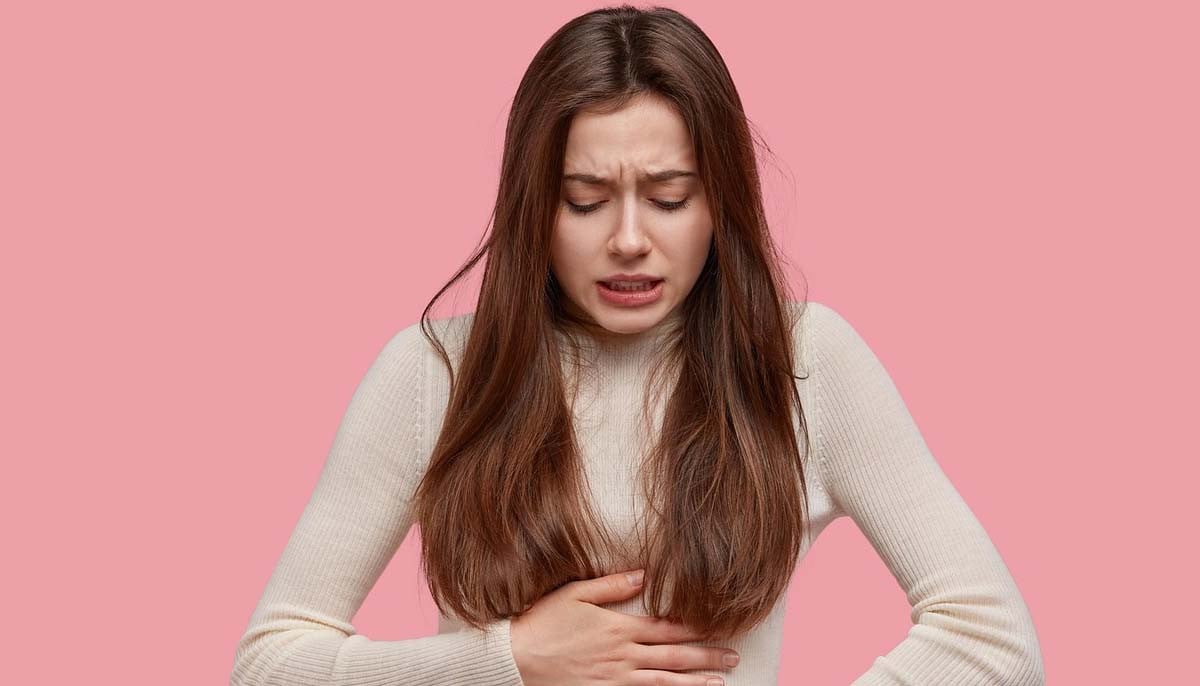
Constipation occurs when an individual experiences difficult or no bowel movements for a few days, often resulting in strained passage of stool. The National Institute of Diabetes and Digestive and Kidney Diseases has revealed that roughly 16 out of every 100 people experience symptoms of constipation.
The condition is commonly linked to factors such as insufficient dietary fiber, inadequate hydration, low levels of physical activity, and the use of certain medications. Symptoms may include bloating, irritability, abdominal discomfort, and painful or strenuous bowel movements.
Despite its prevalence, constipation is often manageable at home through simple lifestyle adjustments. Many cases respond well to natural remedies that support healthy digestion.
Natural Approaches to Relieving Constipation:
1. Increase fiber intake
A diet rich in fiber supports regular bowel movements. Fruits, vegetables, whole grains, legumes, and supplements such as psyllium husk help soften stool and promote digestive motility.
2. Prioritize hydration
Adequate water intake, ideally almost 2 liters every day, is essential for stool softness and its smooth passage through the digestive tract. Maintaining hydration throughout the day can significantly reduce the risk of constipation.
3. Engage in regular physical activity
Routine exercise supports overall health and stimulates intestinal activity, encouraging more consistent bowel movements.
4. Consider prune juice
Prune juice is a widely used natural laxative due to its fiber and sorbitol content, which can ease stool passage.
5. Incorporate probiotics
Probiotic-rich foods, such as yogurt, help maintain a balanced gut microbiome, improving digestion and bowel regularity.
Some drugs that help with constipation:
- Linaclotide
- Lactulose
- Prucalopride
- Lubiprostone
Your medic or healthcare provider will pick the drug that would work best for you based on your symptoms and test results.
Preventing constipation:
Adopting a balanced diet, staying well-hydrated, and maintaining an active lifestyle can help prevent constipation and support long-term digestive health.
However, it is persistent constipation or symptoms such as severe abdominal pain, intense cramping, or blood in the stool that require immediate medical evaluation and treatment.



-
 France steps up Ebola support in Congo as fears of resurgence grow
 -
 Vance’s fraud crackdown may raise health insurance costs for Americans
 -
 One common mistake elevates blood pressure readings by 7 points, study warns
 -
 Moderna loses US government license defense in patent case
 -
 Novo says new Ozempic shows lower cardiovascular risk compared with Lilly’s Mounjaro
 -
 University of Nottingham researchers say new gel could regrow tooth enamel in weeks
 -
 New Chinese drug extends stroke treatment window from hours to 2 days: study finds
 -
 Trump’s FDA nominee Heidi Overton defends vaccines, contradicting his claims