H-1B visa key changes: What Trump’s tougher vetting means for applicants?
The Trump administration has made free speech a focus of its foreign policy
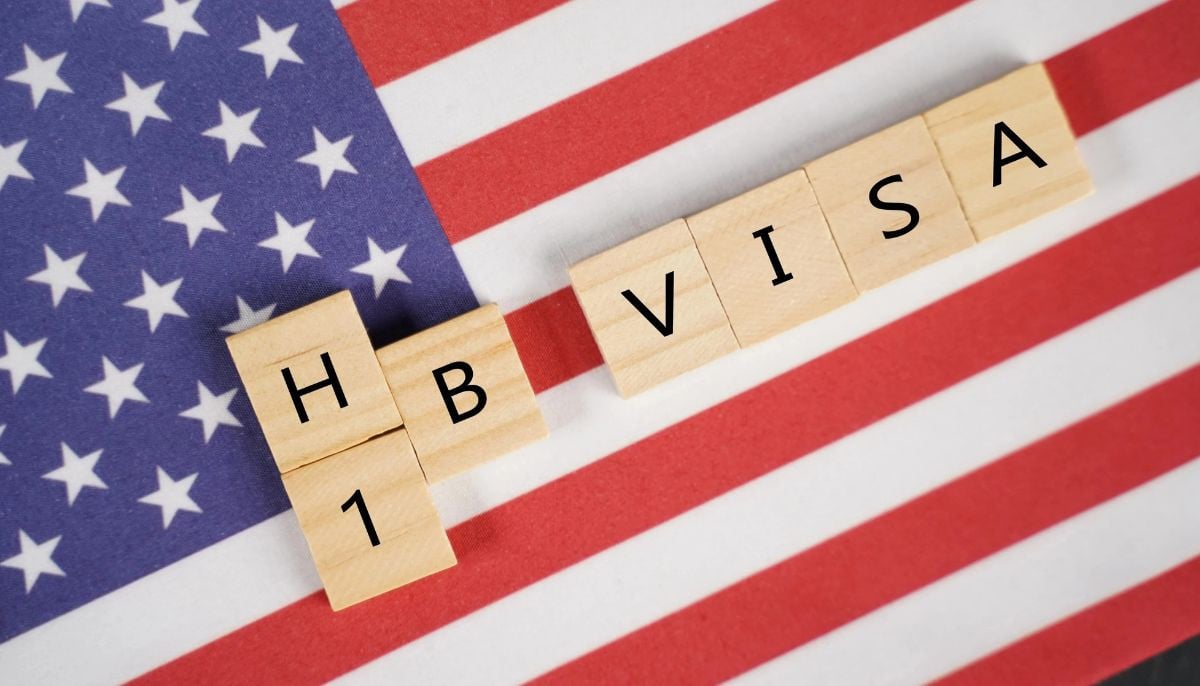
The Trump administration has announced to tighten H-1B visa rules for the applicants, including highly skilled workers.
H1-B visas hold significant importance for US-based tech companies as these visas allow the firms to hire foreign workers in different specialized fields. The workers from countries like China and India heavily rely on H1-B visas for employment.
Here are the following new requirements for H1-B visas applicants as reported by the Reuters.
Increased vetting for ‘censorship’
According to an internal State Department memo, any person who is involved in “censorship” of free speech will be considered for rejection.
Review of employment history
As per cable which is sent to all US missions also instructs US consular offices to comprehensively not only review resumes and LinkedIn profiles of H-1B applicants but also properly vet their traveling family members. The scrutiny must be carried on in areas such as:
- Misinformation and Disinformation
- Fact-checking
- Compliance
- Content moderation
- Online safety
Ineligibility grounds
"If you uncover evidence an applicant was responsible for, or complicit in, censorship or attempted censorship of protected expression in the United States, you should pursue a finding that the applicant is ineligible," under a specific article of the Immigration and Nationality Act, the memo reads.
Strict screening specifically for tech sector
According to cable, although the policy changes apply to all visa applicants, it specifically calls for stricter review for the applicants working in the technology sector, “"including in social media or financial services companies involved in the suppression of protected expression."
Broad-spectrum application scope
Not only do the new applicants, but also the repeat H1-B visa applicants will be obliged to follow these new requirements.
The recent move aligns with the Trump administration's broader foreign policy that focuses on free speech and protection of expression. In May, Marco Rubio, US Secretary of State, called for visa bans for people who are involved in speech censorship by Americans.
The recent order for tough vetting is part of the Trump administration’s crackdown on immigration as the administration in September imposed new fees on H1-B visas.


-
 Putin calls emergency cybersecurity meeting amid rising tensions with Europe
 -
 Why is SpaceX restricting Starlink in Ukraine?
 -
 Nvidia pledges $250 million in compute resources to boost UK AI safety and security research
 -
 Why Meloni calls US-Russia diesel deal a ‘very risky choice’
 -
 Vatican issues Pope Leo health update after surgery amid lung cancer reports
 -
 China, EU pledge to stabilize bilateral trade ties and balance economic relations
 -
 Germany’s Nuremberg airport briefly shut down after mid-air communication malfunction
 -
 El Niño fuels Indonesia wildfires, destroying nearly 300 homes in Sumatra
-
 Poilievre heads to Michigan to demand end to US tariffs on Canadian vehicles
 -
Will Alberta leave Canada? Advance voting opens in historic separation referendum
-
False hijack alert sends German fighter jets scrambling
-
Nigel Farage defends ‘lethal force’ policy for English Channel migrants amid backlash