December 2025 cosmic trio: Moon-Jupiter duo, Geminid meteors, interstellar comet Earth visit
Moon-Jupiter pairing, Geminid meteor shower, and interstellar comet visit to Earth will brighten up the sky
As the 2025 year draws to a close, the December night skies offer a promising but dazzling cosmic trio surprise for the sky watchers and astronomers.
The sky watchers can experience the celestial spectacle in the form of a rare visit of an interstellar comet, Jupiter-Moon phenomenal pairing, and spectacular display of the year’s best geminid meteor shower.
Moon-Jupiter pairing: December, 7
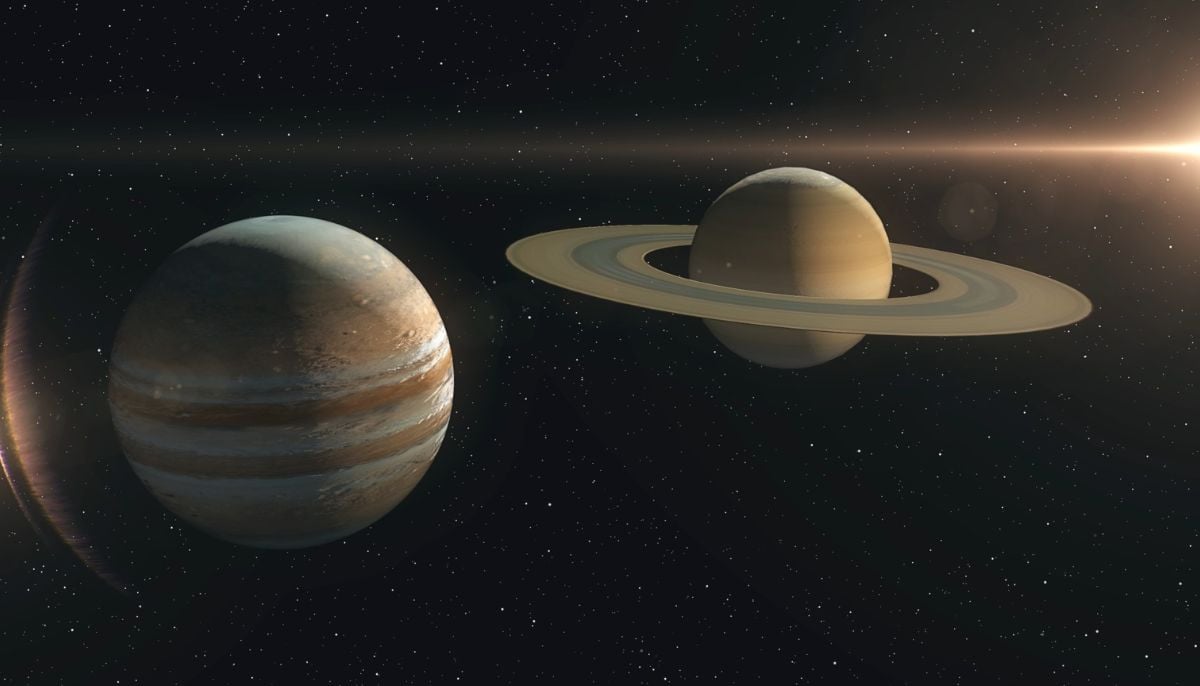
On December 7, the sky watchers can witness a rare conjunction of the Moon and Jupiter. During this celestial event, two celestial bodies appear close in the sky.
The pairing, from the Earth’s vantage, will be just a few degrees apart, so it can easily be seen with naked-eye or binoculars.
The event is best viewed at dusk and it will continue until midnight on December 7. Look toward the eastern sky right as the sun sets. One can see the Moon in the form of waxing crescent and just above and right to the crescent, bright Jupiter can be seen.
Geminid meteor shower: December, 13-14
This year’s Geminid meteor shower will reach its pinnacle on the nights of December 13, 14. The shower consists of bright and colorful debris trailing the asteroid 3200 Phaethon.
In the darkest skies, one can see up to 120 Geminid meteors per hour. These meteors will also appear near the bright Jupiter planet.
Mysterious 3I/ATLAS closest approach to Earth: December, 19
The discovery of the third mysterious object 3I/ATLAS is considered one of the most intriguing events that happened in the year 2025. But, on December, 19, 3I/ATLAS will show its closest approach to Earth.
The intriguing closeness of the interstellar object to Earth will give the scientists an opportunity to observe its true nature and origin by deploying a fleet of spacecraft and ground-based telescopes.
Since its discovery on July 1, 3I/ATLAS has baffled scientists across the world. According to NASA released pictures, the interstellar object is a comet, not an alien object.
On the other hand, Harvard astrophysicist Avi Loeb calls the object “an alien probe” based on the anomalies demonstrated by 3I/ATLAS.
Even at its nearest, 3I/ATLAS will be 170 million miles away from Earth.
How to see 3I/ATLAS?
It can be best viewed in the early pre-dawn hours, especially in the east-northeast low on the horizon, just below Regulus. Moreover, a telescope with at least a 30cm aperture is necessary due to the object’s distance.


-
 How dogs became man’s best friend 15,800 years ago: New study reveals
 -
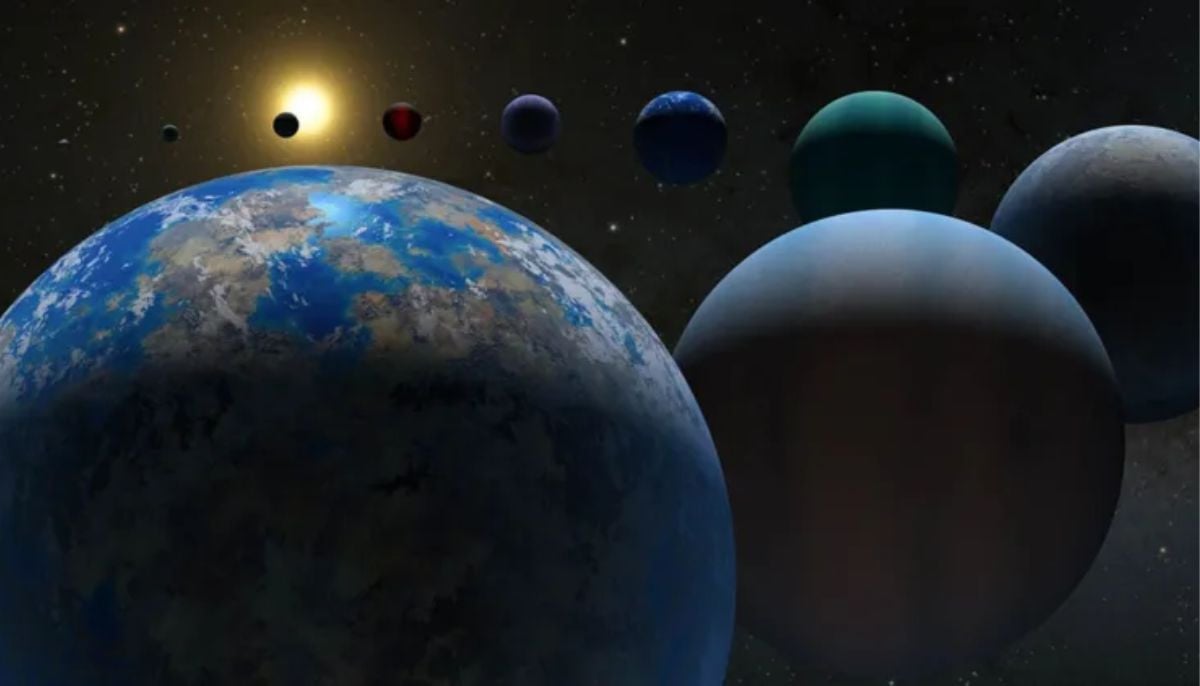 Real-life ‘Project Hail Mary’ moment: 45 planets that may support alien life discovered
 -
 CERN successfully transports antimatter for first time in historic breakthrough
 -
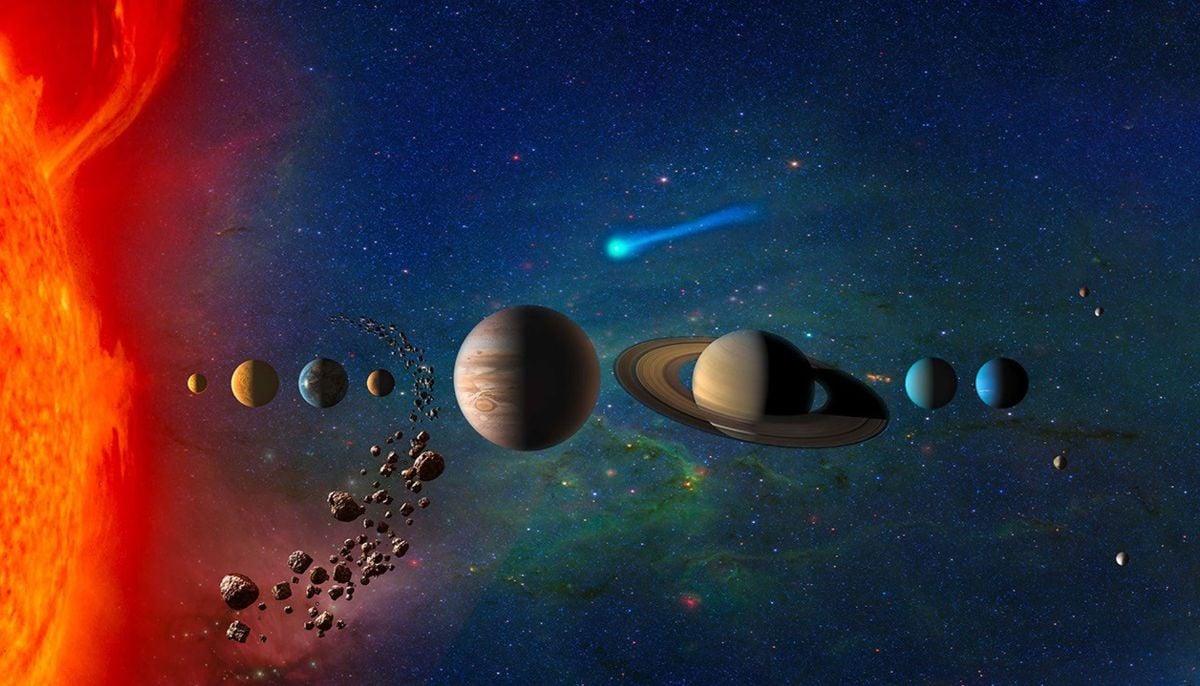 Astronomers spot solar system lookalike 87 light-years away
 -
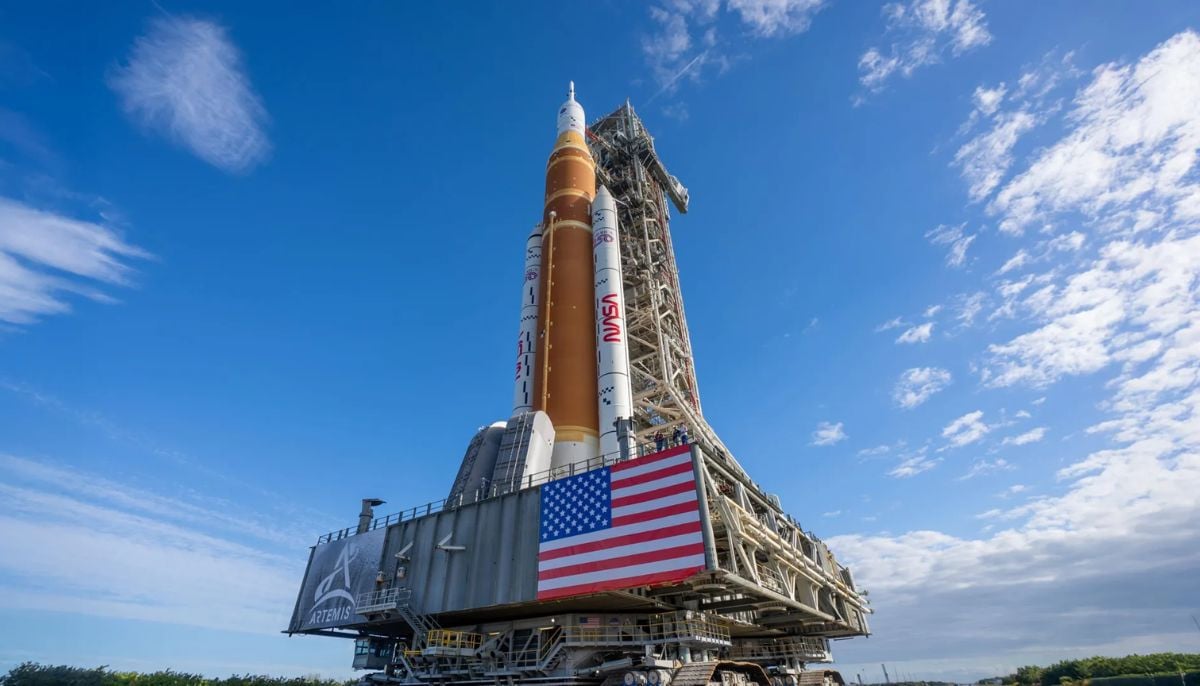 From Moon base to nuclear spacecraft: Inside NASA’s strategic overhaul to win space race against China
 -
 Northern lights wane, but watch for midnight surprise to dazzle the sky
 -
 NASA, South Korea team up for L4 deep space exploration mission
 -
 Scientists use ‘Space Archaeology’ to rebuild hidden history of giant spiral galaxy