New study link tattoos to increased risk of dangerous skin cancer
Individuals with tattoos had a higher risk of developing one of the most dangerous form of skin cancer
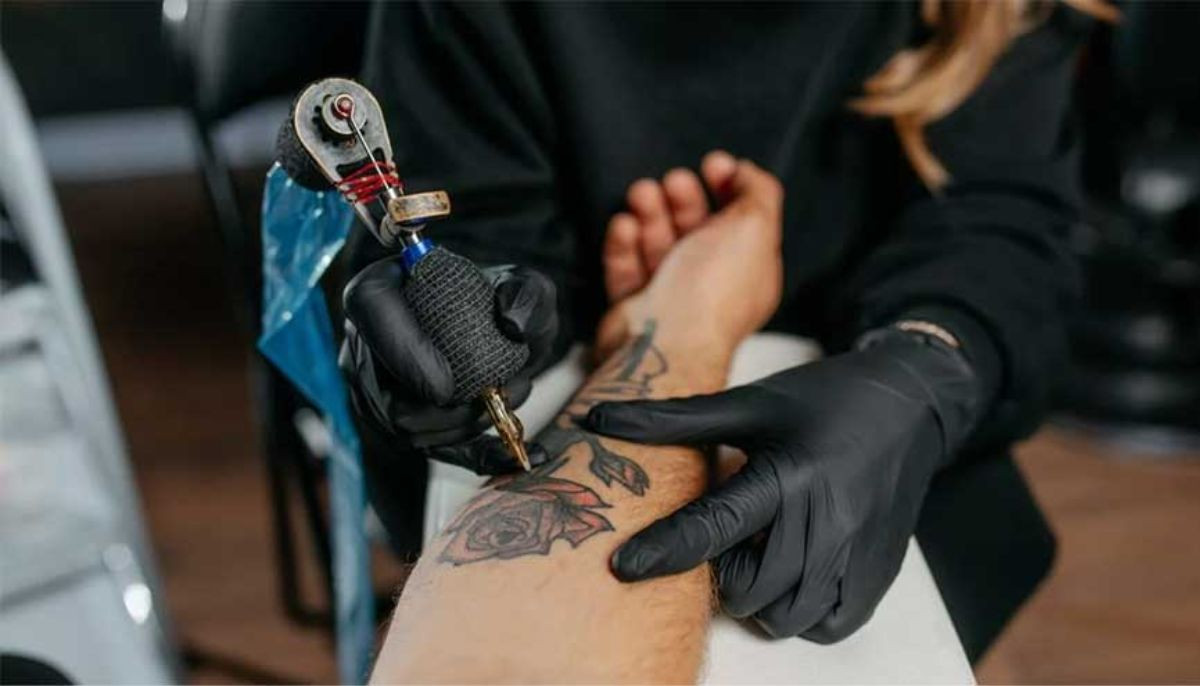
A new study has found out that people with tattoos had a 29% higher risk of developing melanoma, a serious form of skin cancer linked to ultraviolet (UV) exposure.
Tattoos primarily did not appear to elevate the risk of squamous cell carcinoma, another type of cancer associated with UV damage.
It has been observed that both cancers share a common risk factor but arise from distinct cell types, and differ in severity, with melanoma considered to be more dangerous.
Melanoma and squamous cell carcinoma developed gradually and are infrequent, which makes research challenging.
The research, known as case-control study, was conducted on people who have already been diagnosed with cancer to investigate tattoos.
The National Cancer Register identified everyone aged 20 to 60 who was diagnosed with melanoma in 2017.
Further, questionnaires were sent to all participants asking about decorative tattoos, permanent makeup, and medical tattoos, as well as their size and location, in order to determine whether the tattooing occurred before or after developing cancer.
The results showed that people with tattoos were 29% more likely to develop melanoma as compared with those without tattoos.
On the contrary, the risk increase seemed to be highest for those who had tattoos for more than ten years.
People who have tattoos are advised to protect their skin from UV radiation to avoid excessive tanning.


-
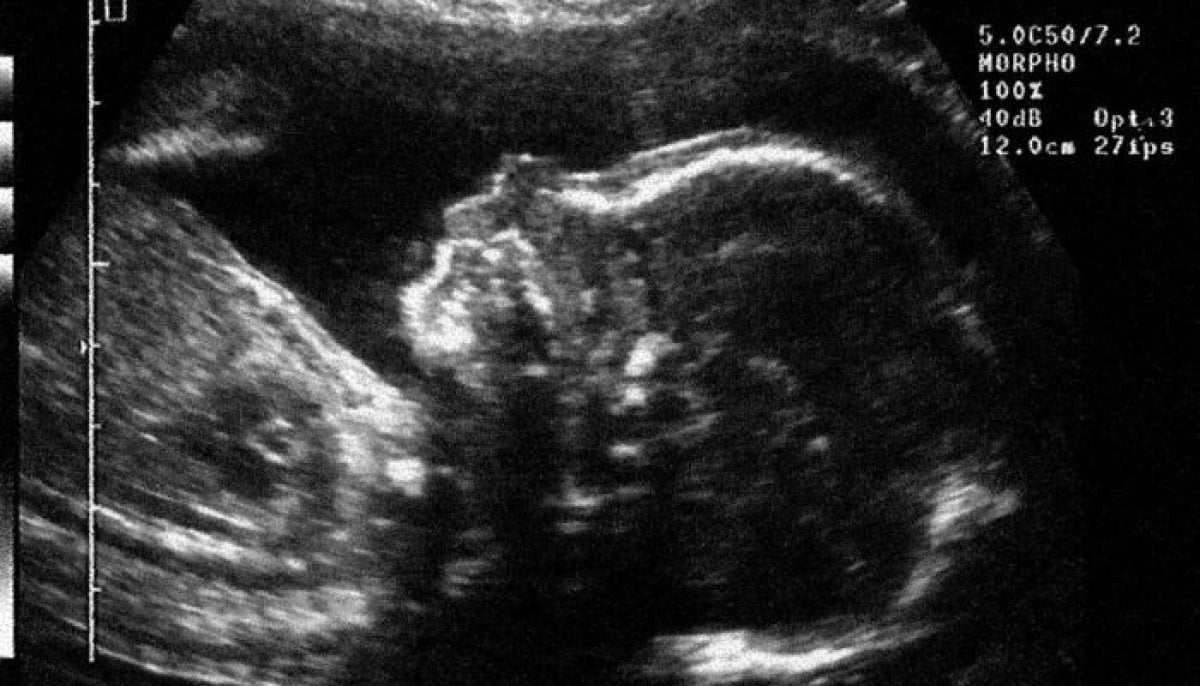 First-of-its-kind treatment shrinks unborn baby’s tumour before birth
 -
 France steps up Ebola support in Congo as fears of resurgence grow
 -
 Vance’s fraud crackdown may raise health insurance costs for Americans
 -
 One common mistake elevates blood pressure readings by 7 points, study warns
 -
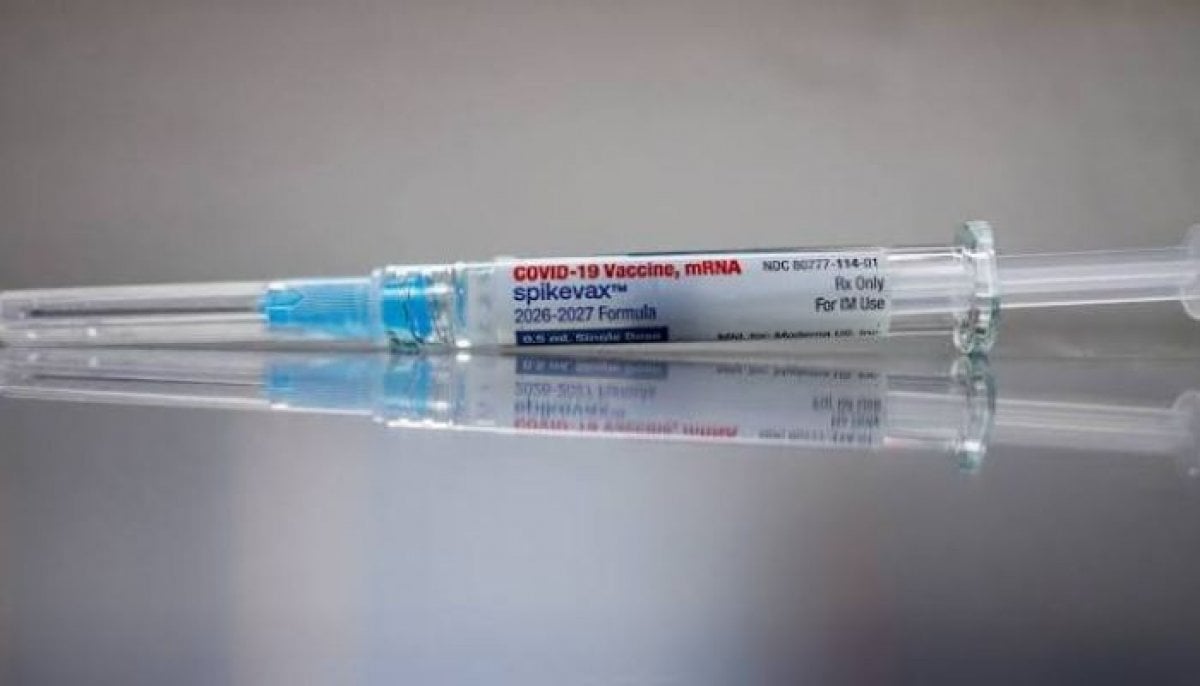 Moderna loses US government license defense in patent case
 -
 Novo says new Ozempic shows lower cardiovascular risk compared with Lilly’s Mounjaro
 -
 University of Nottingham researchers say new gel could regrow tooth enamel in weeks
 -
 New Chinese drug extends stroke treatment window from hours to 2 days: study finds