Untreated sleep apnea linked to double risk of Parkinson’s disease, study finds
A new study has unveiled significant association between sleep apnea syndrome and an increased risk of developing Parkinson’s disease
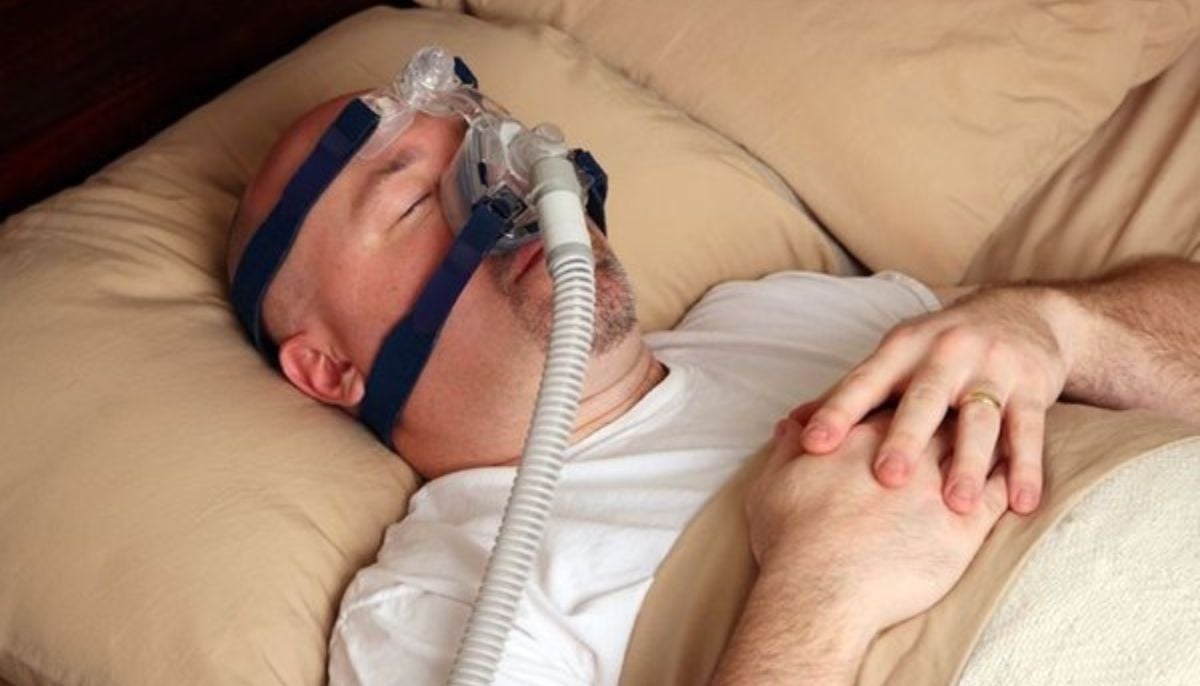
In a recent study, new findings revealed a significant association between untreated obstructive sleep apnea (OSA) and an increased risk of developing Parkinson’s disease.
The study suggests that those who do not receive proper treatment may have double the risk of being diagnosed.
It is suggested that using continuous positive airway pressure CPAP may help to mitigate that risk of Parkinson’s by improving sleep quality and maintaining steady airflow throughout the night.
The study published in JAMA Neurology analyzed electronic health records from more than 11 million U.S. military veterans.
Parkinson’s is a neurodegenerative disease, and almost 1 million people have been affected badly in the United States. It has been observed that chances of developing the disease gradually start after age 60.
New developments have been made which demonstrated that long-term and obstructive sleep apnea may contribute to a higher risk of Parkinson’s.
Crucial confounding factors, such as obesity, age, and high blood pressure were analyzed by the researchers to establish a clear association between untreated sleep apnea and Parkinson’s disease.
The study showed that among the millions of veterans with sleep apnea, those who did not use CPAP were nearly twice as likely to be diagnosed with Parkinson’s disease.
How sleep apnea affects the brain?
Sleep apnea primarily occurs when a person’s breathing halts sporadically and restarts during sleep, which can keep the body from getting sufficient oxygen.
In this connection, lead author Lee Neilson, M.D., assistant professor of neurology at OHSU and a staff neurologist at the Portland VA said, “If you stop breathing and oxygen is not at a normal level, your neurons are probably not functioning at a normal level.”
The research results further strengthen the importance of prioritizing sleep health specifically in light of the Parkinson's risk revealed in the study.
This further implies that some people with sleep apnea are reluctant to use CPAP, yet the study further underscores that many veterans have strong positive experiences with the device.
The veterans who have experienced positive results are telling other people to feel better.
The current study provides a significant clinical implication that treating sleep apnea is not just improving sleep but serves as a necessary intervention for potential long-term neurological health protection.


-
 Virginia Sen. Louise Lucas indicted on racketeering and marijuana charges
-
 France confirms world's first human case of Shamonda virus; patient dies
-
 OpenAI agents uncover brain disease leads: Here’s how
-
 AI tool can now predict cancer survival by a single patient selfie: Find out how
-
 Scientists identify a new type of depression affecting 1 in 4 patients
-
 Everything to know about US FDA’s new guidance on apps used with prescription drugs
-
 ‘Immortal’ jellyfish could hold clues to slowing human ageing
-
 Ebola crisis worsens in DR Congo as virus reaches eighth province with over 4,500 dead
-
 Study finds eating blueberries every day can surprisingly boost your mood
-
Eli Lilly’s Foundayo weight-loss pill gets European approval recommendation
-
What is BPC-157? Trump administration considers easing rules on popular peptide injections
-
West Nile virus: Europe reports 141 deaths as human cases rise in 2026