Alibaba to rival Meta with $536 Quark AI glasses in wearables battle
Quark AI glasses come in two variants, including S1 and G1 based on different prices
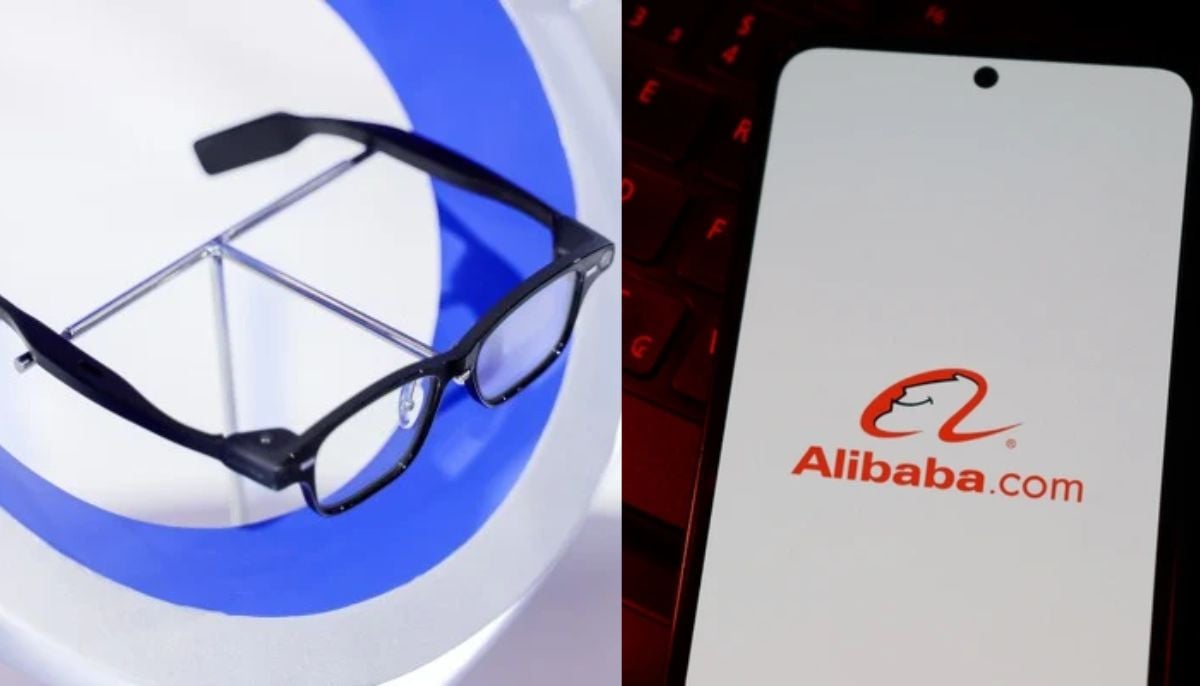
Alibaba has joined the global wearable race by selling artificial-intelligence powered Quark AI glasses in China, aiming to undercut Meta.
The Chinese tech giant first unveiled their AI-powered glasses in July 2025. These glasses come in two variants, including S1 which costs around 3,700 Chinese yuan ($536) and G1 which starts at 1,899 yuan.
Besides the pricing, the main difference between these variants is the display, which features a built-in frame camera and lenses that operate as screens.
The company has integrated the newly-launched Qwen AI model in the wearable, giving the users accessibility to control their glasses to perform certain tasks.
Other features include AI-generated meeting notes, on-the-go translation, and ability to question virtual assistants and take the pictures through a camera in-built in the lens.
In the tech-driven world, most of the tech giants companies including Meta are betting on smart glasses that could be the next biggest consumer device after smartphones.
According to Omdia’s forecast, by 2026 the AI glasses market is expected to expand with more than 10 million units.
This September, Meta launched the $799 worth Meta Ray-Ban Display glasses equipped with a built-in display.
Initially, Alibaba will sell the glasses in China to compete with domestic firms, such as Xreal and Xiaomi.
The new Quark AI glasses are available on Chinese e-commerce platforms, including Douyin, Tmall, and JD.com.


-
 OpenAI calls for US to take lead in global efforts to develop technical standards
 -
 Nvidia CEO Jensen Huang says there's '0% chance' AI destroys humanity by 2030
 -
 COP31 wants tech giants to clean up AI's energy use
 -
 Google launches 5 Googlebook laptops starting at $899
 -
 UN experts say AI safety is ‘unravelling’
 -
 AI ‘feels pain’? Researchers warn of a dangerous possibility
 -
 Amazon blocks Meta's Muse AI agent from checkouts
 -
 Grandparents are turning kids' photos into AI art