Saudi Arabia prohibits employers from charging domestic workers for recruitment, iqama
Employers violating new regulations face fines of up to SR20,000 and three-year ban, warns govt

Saudi Arabia has barred employers from charging domestic workers any fees, including recruitment, work permit, iqama, and change of profession, offering a major relief to employees.
The provisions are outlined in the newly released Guide to the Rights and Obligations of Domestic Workers, issued by the Ministry of Human Resources and Social Development.
Employers violating the rules face fines of up to SAR20,000 and a three-year ban on hiring domestic workers, while repeat offenders will face tougher penalties, according to Saudi Gazette.
"The regulations include a package of rights that guarantee the domestic worker a decent life and a stable work environment," read the publication.
Under the new rules, domestic workers are guaranteed full pay, weekly rest, daily breaks, and one month of paid leave every two years.
They are also guaranteed the right to keep their personal documents, including passports and residency permits (iqama), without any interference from employers, it added.
Employers must provide suitable accommodation, meals or a cash allowance, healthcare coverage, and ensure workers can communicate freely with their families.
The guide also lists recognised professions within the domestic sector, such as drivers, home nurses, cooks, tailors, butlers, and house managers. It allows for new categories to be added as needed.


-
 Hurricane Isaias strengthens on path: Which US Gulf Coast states are at risk?
 -
 UK, Germany unite against Russia’s ‘shadow war’ as spy chief warns of ‘violent conflict’
 -
 US, Russia explore gas sales to Europe via Nord stream pipelines amid Ukraine conflict
 -
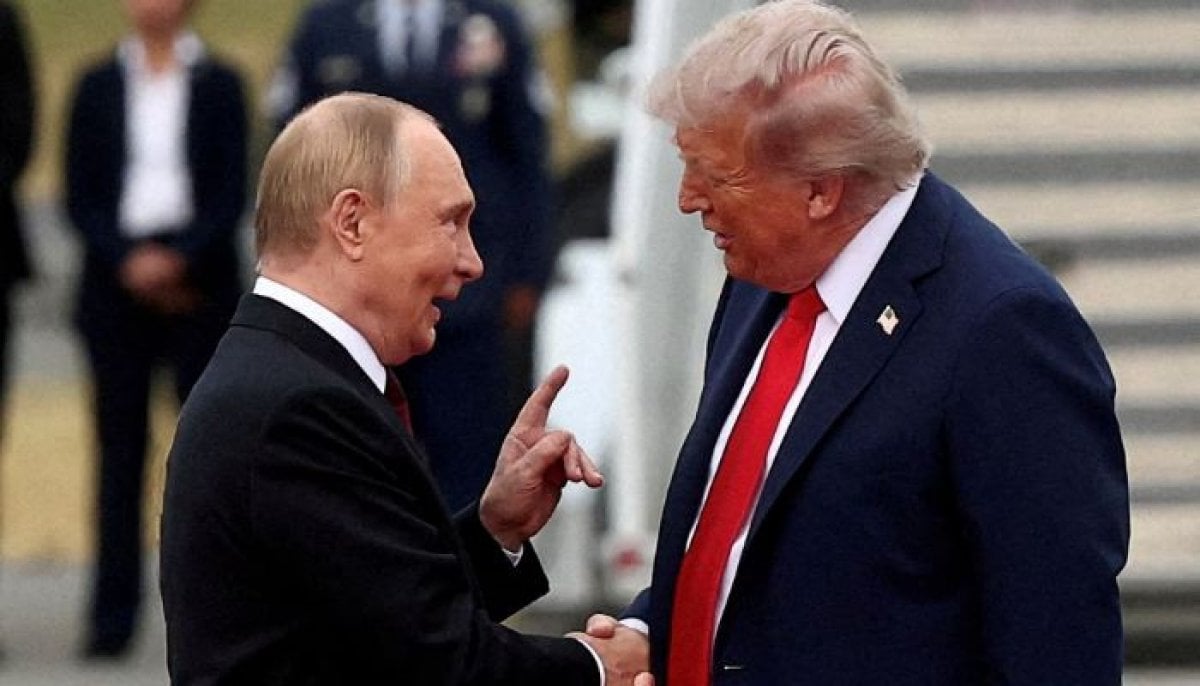 When will Trump, Putin speak? Kremlin responds to ‘very soon’ call claim
 -
 Baltimore Ravens acquire Cam Jurgens from Eagles for two draft picks
 -
 Trump threatens to fire his top advisers over reported work for pro-Russian government
 -
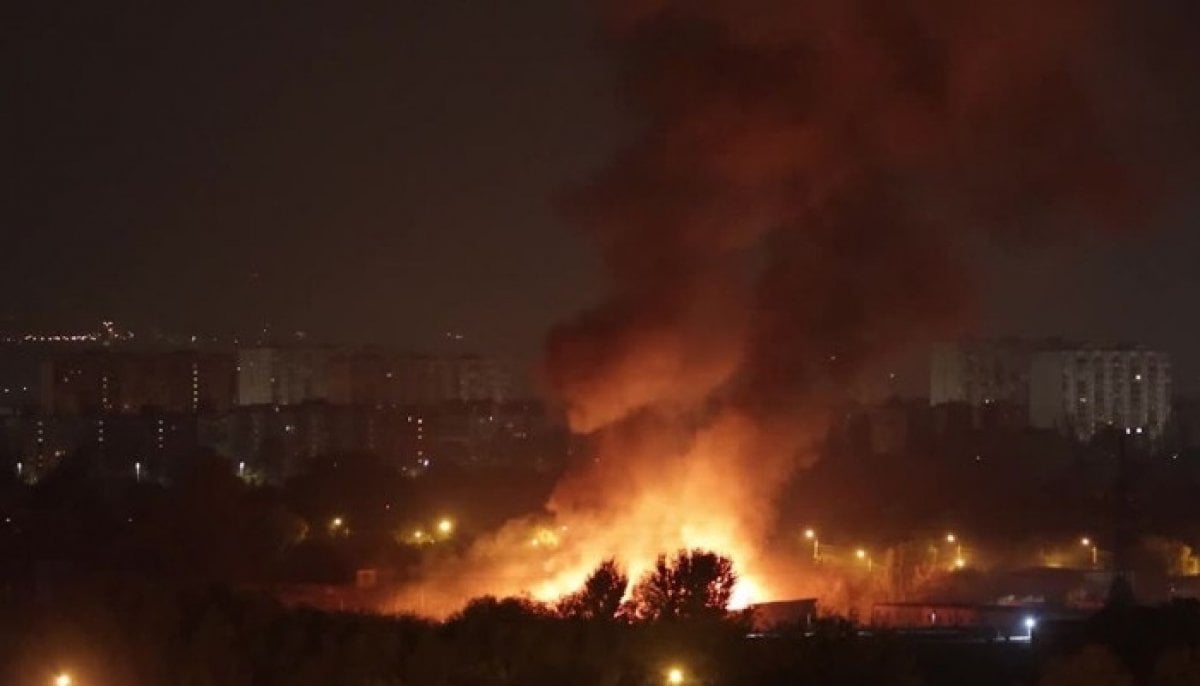 Ukraine accuses Russia of deadly ‘birthday’ attack for Vladimir Putin
 -
 Trump believes Russian 'plague' is unlikely to be 'bioweapon'
-
 Florida on alert as Tropical Storm Isaias could become season’s first hurricane
 -
Ken Paxton sounds alarm over Senate bid in leaked audio: ‘It’s the war, it’s gas prices’
-
ICE investigated non-profits over alleged ‘illegal alien voter registration’
-
US agency weighs easing rules on AI political robocalls to cellphones ahead of election