OpenAI launches AI browser Atlas
Sam Altman says AI-powered web browser built around ChatGPT

OpenAI on Tuesday launched ChatGPT Atlas, an AI-powered web browser built around its chatbot that aims to loosen Google Chrome's tight grip on the market.
"This is an AI-powered web browser built around ChatGPT," OpenAI chief Sam Altman said in a streamed presentation.
The browser is now available globally on Apple's macOS. It will soon be made available on Windows, iOS and Android.
Shares of Alphabet, which owns the Chrome browser, were down 2.6% in afternoon trading.
The product is the latest entrant in a fast-crowding field of AI browsers that includes Perplexity's Comet and Opera's Neon as companies weave in tools that can summarise pages, fill out forms and draft code to attract users.
Atlas lets users open a ChatGPT sidebar in any window to summarise content, compare products, or analyse data from any site.
In the agent mode in Atlas, ChatGPT interacts with sites for users, who can use it to do tasks from start to finish, like researching and shopping for a trip.
The browser is now available globally on Apple's macOS. It will soon be made available on Windows, iOS and Android.
Reuters had in July reported the AI startup, backed by Microsoft, was close to releasing an AI-powered web browser that will challenge Alphabet's market-dominating Google Chrome.


-
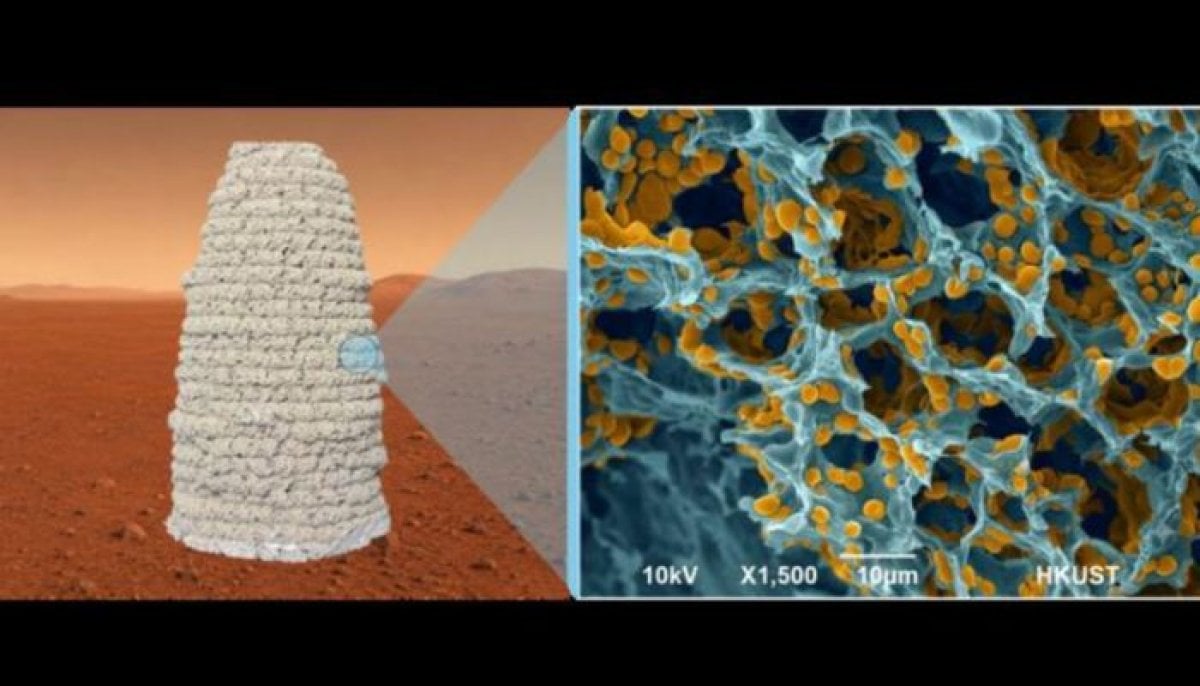 Could a newly engineered microbe help humanity survive on Mars?
 -
 Astronomers find most distant fast radio burst ever recorded
 -
 Draconid meteor shower tonight: Best time and places to see it
 -
 ‘A dream for 50 years’: Why world’s first nuclear clock could change timekeeping
 -
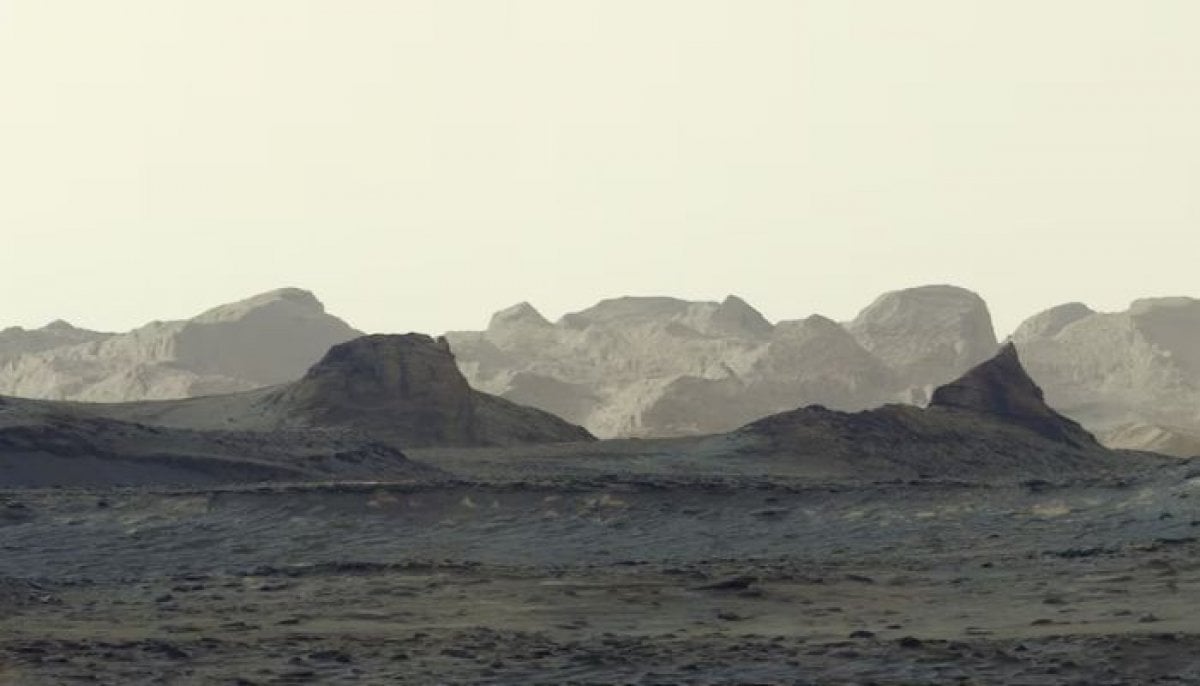 NASA Curiosity captures strange ‘wind-carved’ Mars landscape in dawn image
 -
 NASA's Crew-12 Dragon begins return trip from space station
 -
 Mysterious ‘phoenix planet’ found around the remains of a dying star
 -
 First possible evidence of Planet Nine found in infrared data