New Zealand ocean warming puts homes, industry at risk, report finds
New Zealand highlights severe implications of climate change for the island country
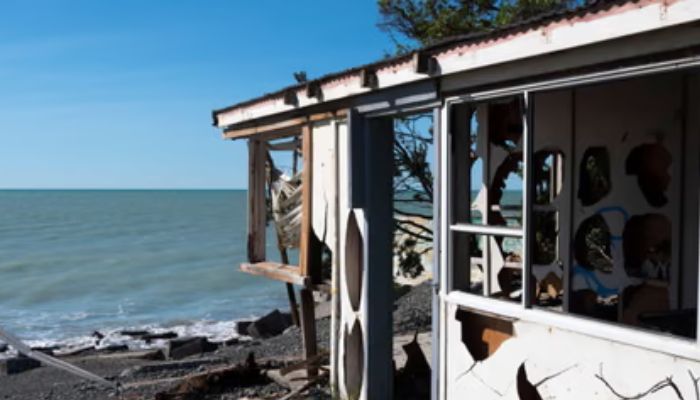
A new report has revealed a sobering picture of climate change impacts on New Zealand’s coastal regions and marine life.
New Zealand’s oceans are warming 34% faster than the global average, with $180 billion worth of housing at risk of flooding, according to a new report.
The ministry for environment collected data across five domains including air, atmosphere, freshwater, and marine to analyze the country's marine environment.
The current series revealed a sobering picture for the country’s oceans, followed by the warming and rising seas, increasing marine heatwave severity, and ocean identification brought by global heating.
The ministry’s chief science advisor, Dr Alison Collins, told the Guardian, “Climate change is not just something far and distant as it impacts our ocean and on our coast.”
He explained, “The coastal zone is under a real squeeze, and the importance of that coastal environment is absolutely critical -it impacts our livelihoods and ultimately our connection to the place.”
The report presented a broad spectrum of risks associated with the marine changes, including threats to indigenous marine species, coastal flooding of homes, marine flooding, and ultimately posing risks to the communities and the economy.
The study found that 219,000 homes worth $180bn were located in tidal inundation, while more than $26bn worth infrastructure was vulnerable to damage.
On the contrary, about 1,300 coastal homes could face severe damage from extreme weather.
New Zealand is facing the strain of these warming seas because of its position in the ocean, which makes it more susceptible to atmospheric circulation and changes in ocean currents.
New Zealand has experienced an anomalous ocean temperature surge in recent years which has been linked to widespread sponge mortality, large fish strandings, and penguin deaths.
The report noted that research into the marine environment was emerging, but there were certain limitations in understanding, and more comprehensive research is required to decrease the risks to people and promote sustainability.


-
 Australian man arrested in Thailand following discovery of 17-year-old’s body in suitcase
 -
 Sheriff Chris Nanos breaks silence after claims about Savannah’s mother Nancy Guthrie video
 -
 Taylor Swift and Travis Kelce's wedding guest list revealed
 -
 New GTA 6 features confirmed: Dual protagonists, larger map, social feeds
 -
 Arrest warrant issued for Eminem’s ex-wife Kim Scott
 -
 Why Netflix’s expanded deal for Russian cartoon ‘ Masha and the Bear’ is sparking backlash in Ukraine
 -
 Brad Pitt rejects marriage plans with Ines de Ramon: 'Never feels like his girlfriend'
 -
 'Mildred Pierce' star Ann Blyth passes away at 98