Takaichi victory propels Japanese stocks to all-time high
Investors cheer Japan’s new pro-business leader, sending Nikkei soaring 5%

With the appointment of Japan's first female Prime Minister, Sanae Takaichi, Japan’s stock market has skyrocketed to historic highs.
The ruling Liberal Democratic Party (LDP)’s pro-business leader sparked a powerful rally, driving the benchmark Nikkei 225 index up 4.75% to close at a record 47,944.76.
Investors have highly appreciated the new leadership result, as it is anticipated that Takaichi will move forward with the economic policies of her mentor, the late Shinzo Abe.
Shinzo Abe, also known for his “Abenomics,” signature economic program launched in 2012, worked rigorously to revitalise Japan’s economy.
His fiscal policy mainly focuses on flexible financial stimulus and structural reforms to promote growth.
Sectors including real estate, technology, and heavy industry led the gains, with shares of Mitsubishi Heavy Industries and Kawasaki Heavy Industries soaring over 11%.
However, there was an enormous side effect associated with the stock market euphoria, including a drastically weakened yen.
The currency has fallen below the psychological mark of 150 against the U.S. dollar, which increases the cost of imports to Japanese households.
Economists observe that a further increase in spending by the Japanese government, as outlined in Takiichi's plans, may further undermine the yen, as it will increase Japan's national debt to a significant level.


-
 Miranda Kerr opens up about her secret health battle: 'Certain things inflame me'
 -
 FedEx reacts to Kevin Bacon's public criticism over missing box of vintage clothes
 -
 Taylor Swift rocks Academy Gala with Eras Tour band reunion
 -
 Tiger Shroff remains unhurt in shock shooting claimed by Lawrence Bishnoi gang
 -
 Riots grip France as Marine Le Pen gains ground ahead of 2027 election
 -
 Zelenskyy warns US alignment with Russia would be a ‘historic’ mistake
 -
 Tesla unveils roadster with midair flips and rocket thrusters
 -
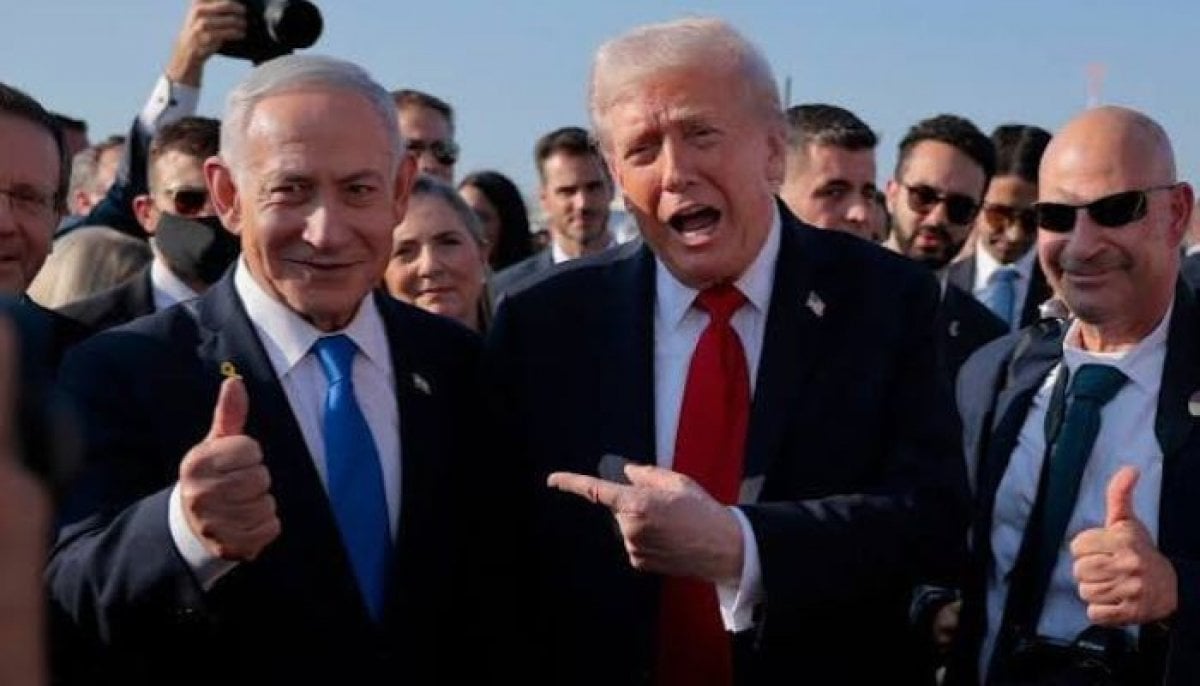 Trump fully endorses Netanyahu ahead of Israeli election: Here’s why
-
 Drake sends fans into frenzy over photo hinting at new music
 -
‘Now it works’: Zelenskyy welcomes US resumption of intelligence sharing with Ukraine
-
‘Red alert’ issued after an unidentified flying object raises security concerns on NATO’s Eastern flank
-
Germany, France strike deal on EU's 'buy European' rules