Space will host next generation of data centres, says Bezos
Idea of space-based data centres is catching on as those on Earth increasingly drain electricity, water supplies.

Amazon founder Jeff Bezos said on Friday that massive, gigawatt-scale data centres could be operating in space within the next 10 to 20 years, powered by constant solar energy that would eventually give them an edge over those on Earth.
Speaking at the Italian Tech Week in Turin, Bezos also compared the surge in artificial intelligence to the internet boom of the early 2000s, urging optimism despite the risk of speculative bubbles.
The concept of orbital data centres has gained traction among tech giants as those on Earth have driven up demand for electricity and water to cool their servers.
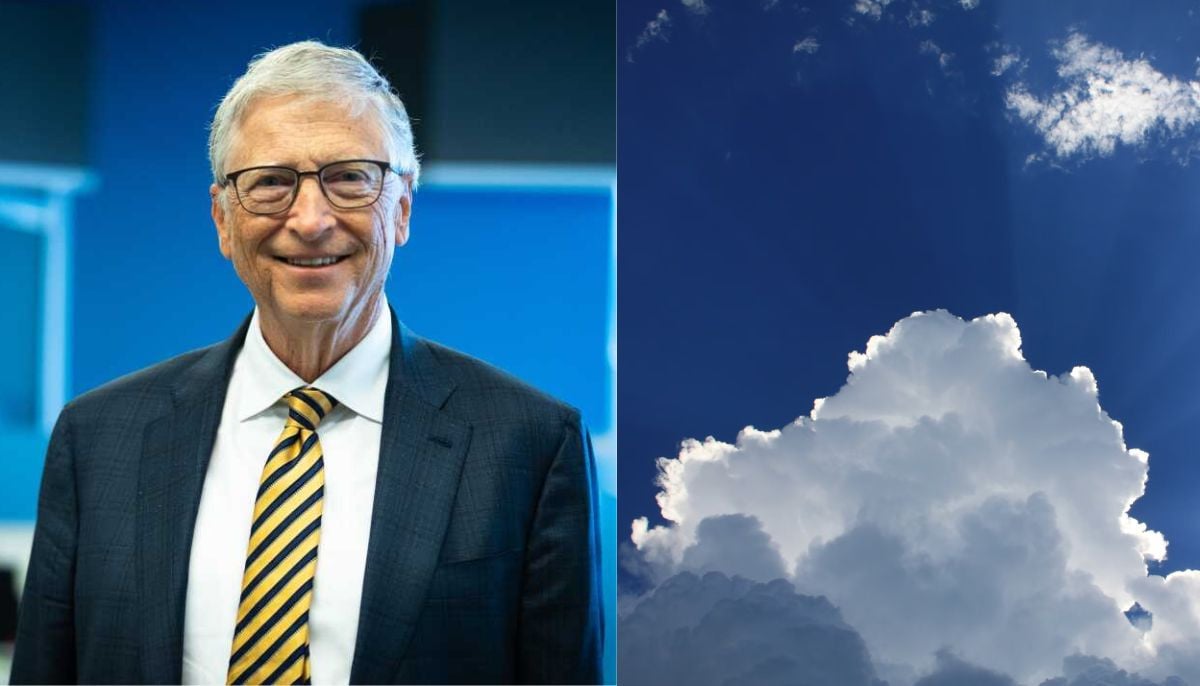
"These giant training clusters, those will be better built in space, because we have solar power there, 24/7. There are no clouds and no rain, no weather," Bezos said in a public conversation with Ferrari RACE.MI and Stellantis STLAM.MI Chairman John Elkann.
"We will be able to beat the cost of terrestrial data centres in space in the next couple of decades."
Bezos said the shift to space infrastructure is part of a broader trend of using space to improve life on Earth.
"It's already happened with weather and communication satellites," he said. "The next step is data centres, then other kinds of manufacturing."
Hosting data centres in space presents its own challenges, including the difficulty of maintenance and carrying out upgrades, as well as the cost of launching rockets, along with the risk that the launches may fail.
The executive chair of Amazon said the AI wave shares traits with the dot-com era, when massive hype was followed by a crash.
"We should be extremely optimistic that the societal and beneficial consequences of AI, like we had with the internet 25 years ago, are for real and there to stay," he said.
"It is important to decorrelate the potential bubbles and their bursting consequences that might or might not happen from the actual reality," Bezos said, adding that the benefits of AI were expected "to be broadly diffused and it will go everywhere".


-
 How dogs became man’s best friend 15,800 years ago: New study reveals
 -
 Real-life ‘Project Hail Mary’ moment: 45 planets that may support alien life discovered
 -
 CERN successfully transports antimatter for first time in historic breakthrough
 -
 Astronomers spot solar system lookalike 87 light-years away
 -
 From Moon base to nuclear spacecraft: Inside NASA’s strategic overhaul to win space race against China
 -
 Northern lights wane, but watch for midnight surprise to dazzle the sky
 -
 NASA, South Korea team up for L4 deep space exploration mission
 -
 Scientists use ‘Space Archaeology’ to rebuild hidden history of giant spiral galaxy