Australia unveils $1.1B for ‘Ghost Shark’ program
Australia has announced significant investment to acquire a fleet capable of conducting intelligence and strike missions
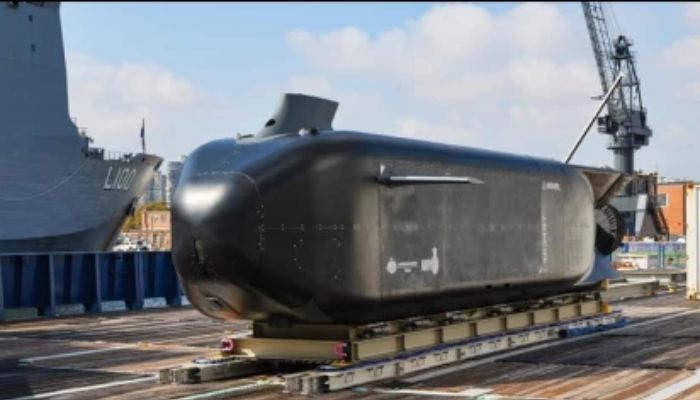
Australia has reportedly announced a significant investment of A$1.7 billion ($1.1 billion) to acquire a fleet of "Ghost Shark" autonomous undersea vehicles.
The "Ghost Shark" program, primarily developed by US startup Anduril Industries, is particularly designed for both surveillance and strike missions.
The Ghost Shark is predominantly intended to complement Australia’s navy surface fleet and submarines, thus making the navy more capable and destructive.
According to the Defense Industry Minister Pat Conroy, dozens of sharks will be built in Australia to ultimately provide more opportunities to export to allies.
The contract, which officials say will span the next five years, encompasses the delivery and continued development of the Ghost Shark.
Andril, in collaboration with Australia’s defense force, has been preparing a facility in New South Wales for production ahead of any contract.
Australia’s Defense Science and Technology Group(DSTG) has confirmed its plan to integrate autonomous technology into the defense force. This strategy is driven by the fact that the country has a sparse population and must defend a vast coastline and approximately 3 million square kilometers.
There are future plans to build nuclear-powered submarines under the AUKUS programme with Britain and the United States in the next thirty years.


-
 Nick Reiner's attorneys push back on Slayer Statute claim
 -
 Benny Blanco shares hot take on farting in relationships
 -
 Dolly Parton's nephew reacts to removal as longtime Security Chief
 -
 David Jonsson shares training photos ahead of 'Black Panther 3'
 -
 Piers Morgan’s own book error exposed amid Earl Spencer legal threat
 -
 Tesla adds Grok AI assistant to cars for hands-free tasks: What to know
 -
 Why is Kanye West in Chicago and what is the link to his mother Donda?
 -
 Charles Spencer opens up about his childhood memories with Princess Diana