Nasa Crew-10 astronauts depart space station after five-month mission
Astronauts board gumdrop-shaped capsule that is scheduled for splashdown in Pacific Ocean on Saturday
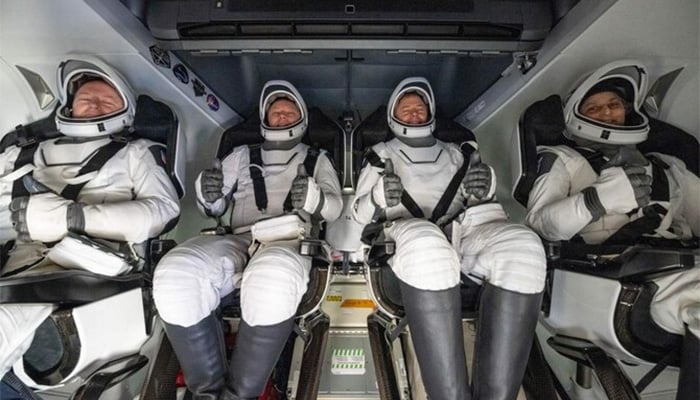
Four astronauts from Nasa's Crew-10 mission departed the International Space Station on Friday aboard a SpaceX Dragon capsule, heading for a splashdown off the US West Coast on Saturday morning after a five-month crew rotation mission at the orbiting lab.
US astronauts Nichole Ayers and Anne McClain, the Crew-10 commander, boarded the gumdrop-shaped Dragon capsule on Friday afternoon along with Japanese astronaut Takuya Onishi and Russian cosmonaut Kirill Peskov ahead of a 17.5-hour trek back to Earth to a splashdown site off the California coast.
The four-person crew launched to the ISS on March 14 in a routine mission that replaced the Crew-9 crew, which included NASA astronauts Butch Wilmore and Suni Williams, the astronaut pair left on the station by Boeing's Starliner capsule.
Five months after the Starliner mission's conclusion, Wilmore this week retired from NASA after a 25-year career in which he flew four different spacecraft and logged a total of 464 days in space.
Wilmore was a key technical adviser to Boeing's Starliner program along with Williams, who remains at the agency in its astronaut corps.
The four astronauts in the Crew-10 capsule are scheduled for a splashdown in the Pacific Ocean at 11:33 a.m. ET (1533 GMT) Saturday.
Nasa said they are returning to Earth with "important and time-sensitive research" conducted in the microgravity environment of the ISS during the 146-day mission. The astronauts had over 200 science experiments on their to-do list.


-
 How dogs became man’s best friend 15,800 years ago: New study reveals
 -
 Real-life ‘Project Hail Mary’ moment: 45 planets that may support alien life discovered
 -
 CERN successfully transports antimatter for first time in historic breakthrough
 -
 Astronomers spot solar system lookalike 87 light-years away
 -
 From Moon base to nuclear spacecraft: Inside NASA’s strategic overhaul to win space race against China
 -
 Northern lights wane, but watch for midnight surprise to dazzle the sky
 -
 NASA, South Korea team up for L4 deep space exploration mission
 -
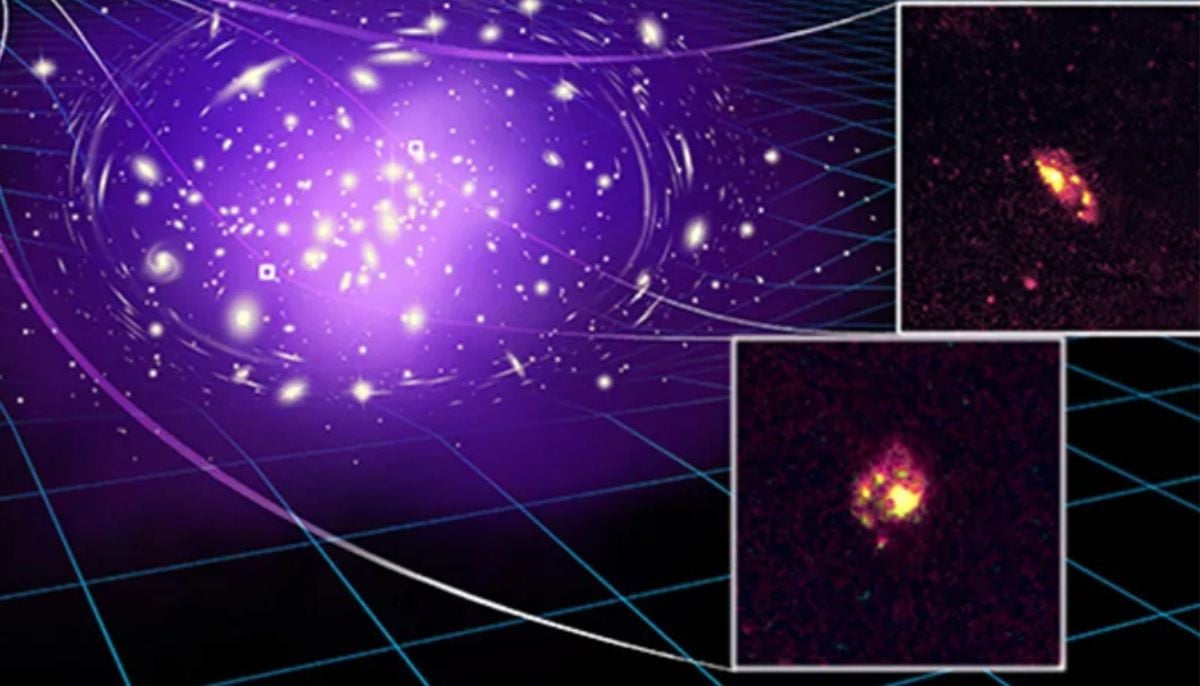 Scientists use ‘Space Archaeology’ to rebuild hidden history of giant spiral galaxy