Chikungunya cases in China surge past 7,000
Authorities urge symptomatic individuals to get tested, with fines of up to $1,400 for not following protocol
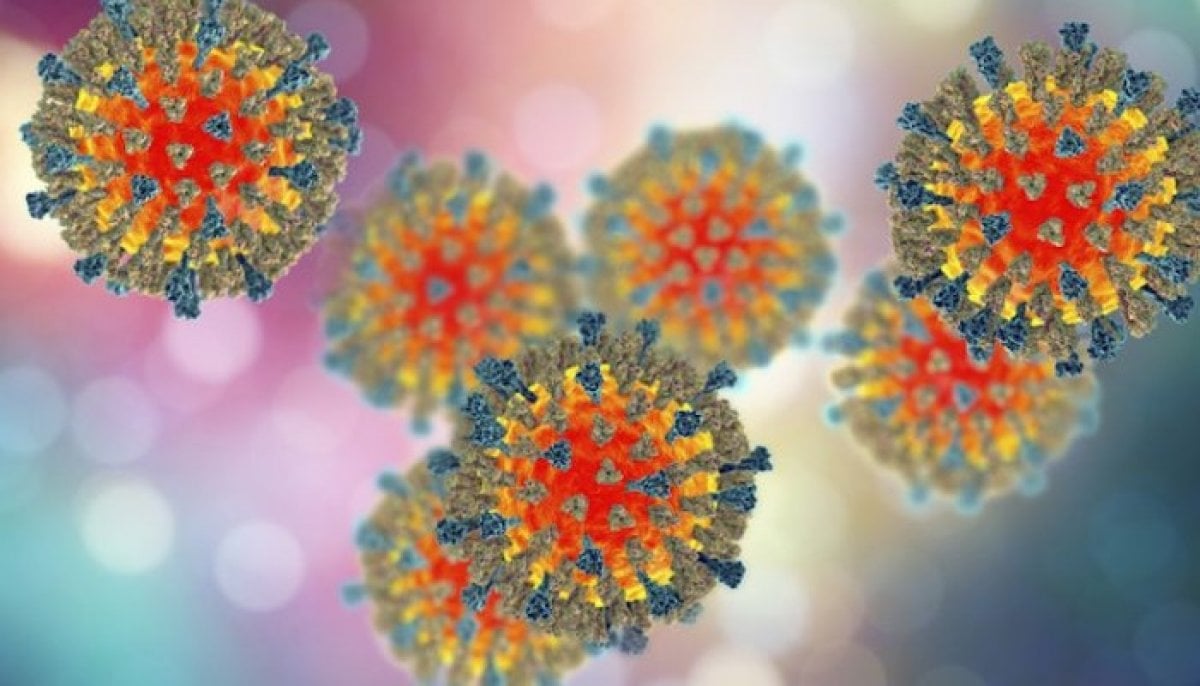
Authorities in China are implementing measures similar to those implemented during the COVID-19 pandemic, as more than 7,000 cases of the mosquito-borne virus chikungunya have emerged in the Guangdong province since July.
The outbreak is primarily concentrated in Foshan, making it the worst-hit city, with at least 12 other cities in the province reporting infections, the BBC reported.
In the last week alone, nearly 3,000 new cases were confirmed. On Monday, Hong Kong reported its first case after detecting the virus in a 12-year-old boy who had recently travelled to Foshan.
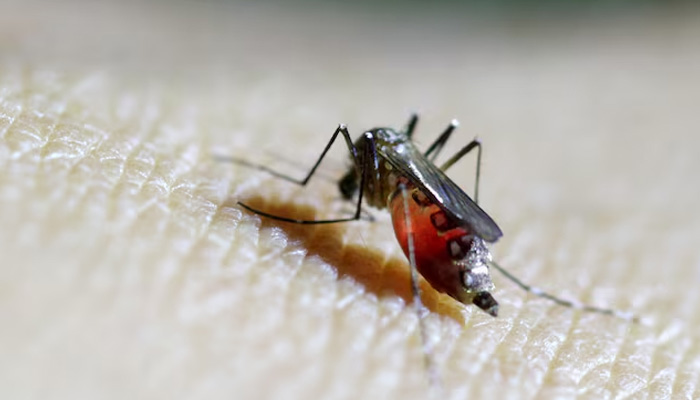
Chikungunya, known for causing fever and severe joint pain, is transmitted exclusively through the bite of an infected mosquito and is not contagious. Although this virus is rare in China, it is more common in South and Southeast Asia.
In response to the outbreak, authorities are urging symptomatic individuals to get tested and are fining residents up to 10,000 yuan ($1,400) for failing to remove stagnant water from their homes.
Other efforts include releasing mosquito-eating fish and "elephant mosquitoes" to combat the virus-spreading insects. Foshan has also deployed drones to detect stagnant water sources.
Despite these aggressive measures, the outbreak has sparked public concern and online debate. Some social media users are questioning whether the COVID-like restrictions are warranted.
“These feel so familiar... but are they really necessary?” one user wrote on the Chinese social media platform Weibo.
Another commented: “What’s the point of the quarantine? It’s not like an infected person will go around biting people.”
Officials, however, say all cases have been mild so far, with 95% of patients discharged within a week.


-
 Study identifies key cause of fatigue and brain fog
 -
 Apple’s screenless fitness tracker plans revealed: What to know
 -
 Rabies concerns grow in US, sparking health warnings over fatal virus
 -
 This popular cooking garnish may offer surprising benefits for brain health
 -
 Was the human brain once two separate organs? Scientists find new clues
 -
 Novo Nordisk partners with Anthropic to accelerate AI-powered drug discovery
 -
 Congo Ebola outbreak reaches turning point as daily infections fall
 -
 Study reveals why some babies are born with heart defects
-
 Third measles-associated death reported as Pennsylvania outbreak reaches 676 cases
 -
Cyclosporiasis outbreak: US officially ends largest outbreak linked to contaminated lettuce
-
Hot beverages increase risk of cancer? New research provides in-dept details
-
Highest-level recall issued for potato chips over banned ingredient posing death risk