United States to introduce 'visa integrity fee' soon
Fee must be paid when visa is issued, and no exemptions will be granted
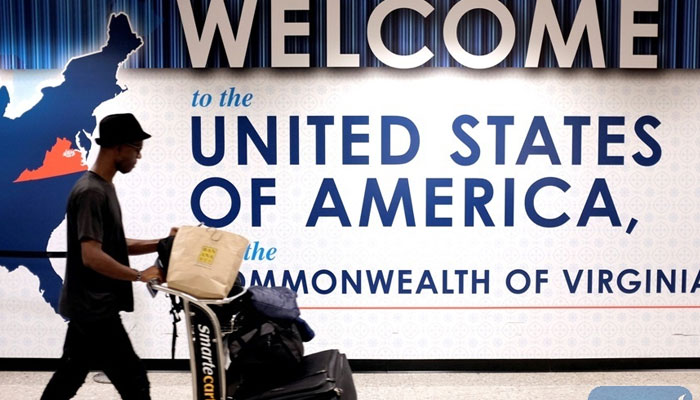
As per a recently passed domestic policy bill by President Donald Trump administration, the United States is set to introduce "visa integrity fee" of at least $250 in addition to current visa application fees.
The fee will apply to all travellers who need non-immigrant visas to enter the US, including tourists, business travellers, international students, and other temporary visitors. According to the State Department, nearly 11 million non-immigrant visas were issued in fiscal year 2024.
Travellers from Visa Waiver Programme countries — such as Australia and many European nations — who visit for 90 days or less will not be subject to the fee, since they don't need visas.
The fee must be paid when the visa is issued, and no exemptions will be granted. However, travellers who follow all visa conditions may be eligible for a refund after their visit, although the exact process for reimbursement has yet to be clarified.
Immigration attorney Steven A Brown of the firm Reddy Neumann Brown PC described the new charge as a "refundable security deposit" in a recent blog post, noting the lack of details on how refunds will be processed.
"In terms of the purpose of the fee, it’s hard to say," Brown said in an email to CNN. "Generally, immigration fees are to cover the expense of adjudication or issuance," but he noted that the reimbursement provision could mean refunding all of the fees gained. "In a perfect world, there would be no overstays or visa violations".
The Department of Homeland Security, which is implementing the new fee, has not yet provided details about the refund procedure or other elements of how the policy will be introduced.
"The visa integrity fee requires cross-agency coordination before implementation," a Department of Homeland Security spokesperson said in a statement to CNN.
A spokesperson for the State Department stated that the fee was created to help advance the administration’s goals of enhancing immigration enforcement, discouraging visa overstays, and supporting border security.
Fees that aren't reimbursed will be "deposited into the general fund of the Treasury," the provision in the bill says.


-
 Trump-Xi summit 2026: US, China unite on Iran nuclear issue
 -
 FBI offers $200K reward for former agent Monica Witt accused of spying for Iran
 -
 Oil prices rise after Trump says China wants US crude oil
 -
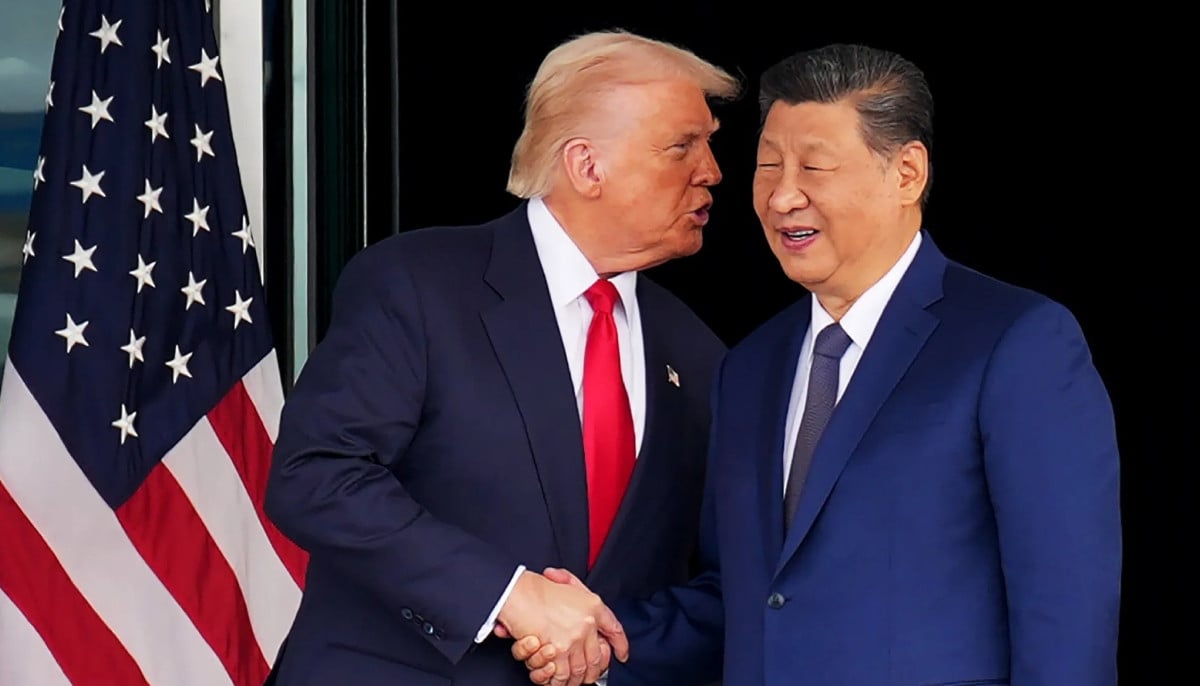 Trump hails 'fantastic trade deals' after private meeting with Xi in Beijing
 -
 Canada launches new strategy to double electricity capacity by 2050
 -
 Epstein victim Roza left traumatized by DOJ 'mistake'
 -
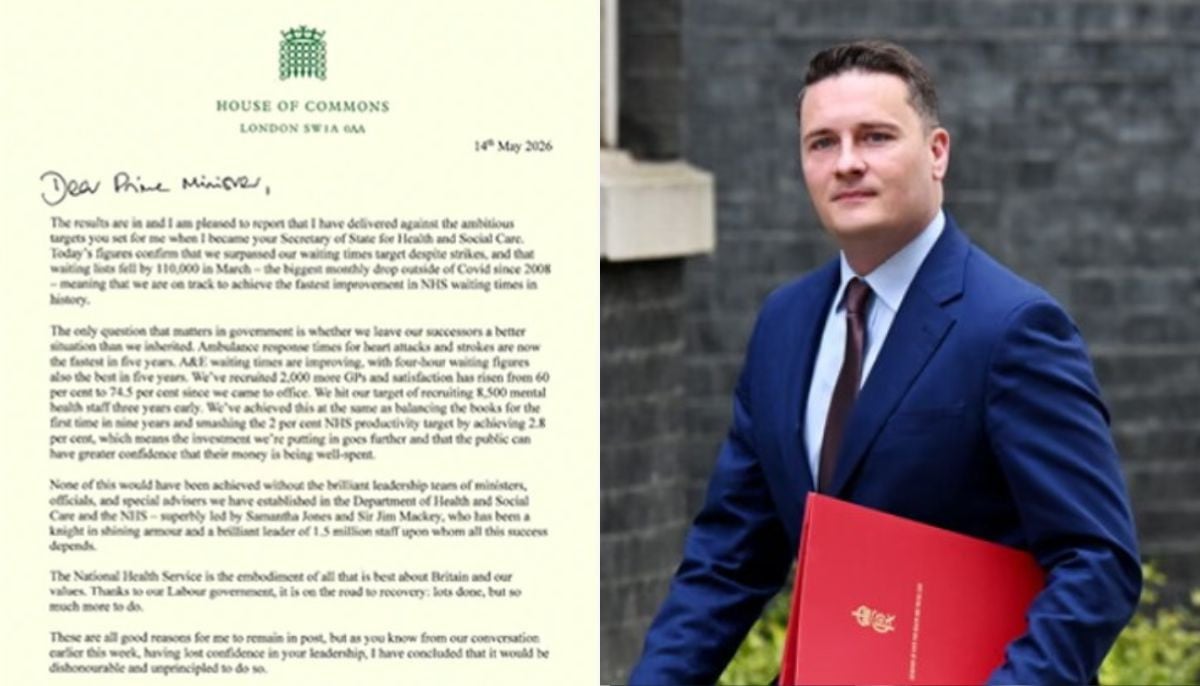 Wes Streeting loses confidence in Starmer, resigns as UK Health Secretary
 -
 Iran opens Strait of Hormuz access to Chinese-linked tankers
-
 US Treasury chief says Iranian ports blockade is working in putting pressure on Iran's economy
 -
Iran urges BRICS to challenge West’s ‘false sense of superiority’
-
How China allowed sanctioned Marco Rubio into Beijing with a Chinese name for Trump visit
-
Israel-Lebanon talks kick off in Washington with US officials involved