Rise of AI holiday planners signals end of traditional travel agencies
Start-up Mindtrip has developed a generative AI that builds entire travel plans based on just a few lines of text

Forget spending hours researching holidays online. AI tools are rapidly reshaping the way we plan travel, offering tailored itineraries and bookings in a matter of seconds, AFP reported.
Start-up Mindtrip has developed a generative AI that builds entire travel plans based on just a few lines of text. From flights and hotels to dining and excursions, the app can recommend options and link users directly to booking platforms.
“You don’t need to keep switching between sites,” explained CEO Andy Moss. “It’s all in one place.”
Mindtrip is not alone. Platforms like Vacay and Navan are competing in leisure and business travel, while tech giants like Google, OpenAI and Anthropic are promoting their own AI assistants for trip planning.
Travel industry staples are adapting too. Expedia now offers Romie, an AI assistant aimed at group travel, while Booking.com’s Smart Filter lets users specify niche requests. “Agentic AI will help us provide something unique,” said Rob Francis, Booking.com’s tech chief.
Club Med’s chairman Henri Giscard d’Estaing said the company’s new WhatsApp chatbot has drastically improved customer service times. “When a human answered, it took around 90 minutes,” he said.
Experts say AI's impact goes beyond convenience. “If your travel plans change, the system can update your itinerary instantly—no phone calls needed,” said Jukka Laitamaki of New York University.
However, the pace of change may be slower than some expect. “The travel sector is dominated by small and mid-sized operators who lack the tech to integrate AI at scale,” said Eva Stewart from GSIQ consultancy.
While start-ups are innovating quickly, Stewart expects major online travel companies to leverage their resources and reassert control. Laitamaki agrees: “They’ve already got loyal customers—that’s their edge.”
Human agents, meanwhile, may only survive in the high-end market. “Ultra-luxury travellers still want a real person,” Laitamaki said. “But for everyone else, AI is the future of travel planning.”


-
 Kenmore Air seaplane crashes and catches fire near San Juan Islands
 -
 Trump returns to rescheduled White House Correspondents' Dinner months after April shooting
 -
 Trump's new tariffs spark global response: How countries are reacting
 -
 Iranian FM fires back after Trump threatens to use frozen assets for shipping damage
 -
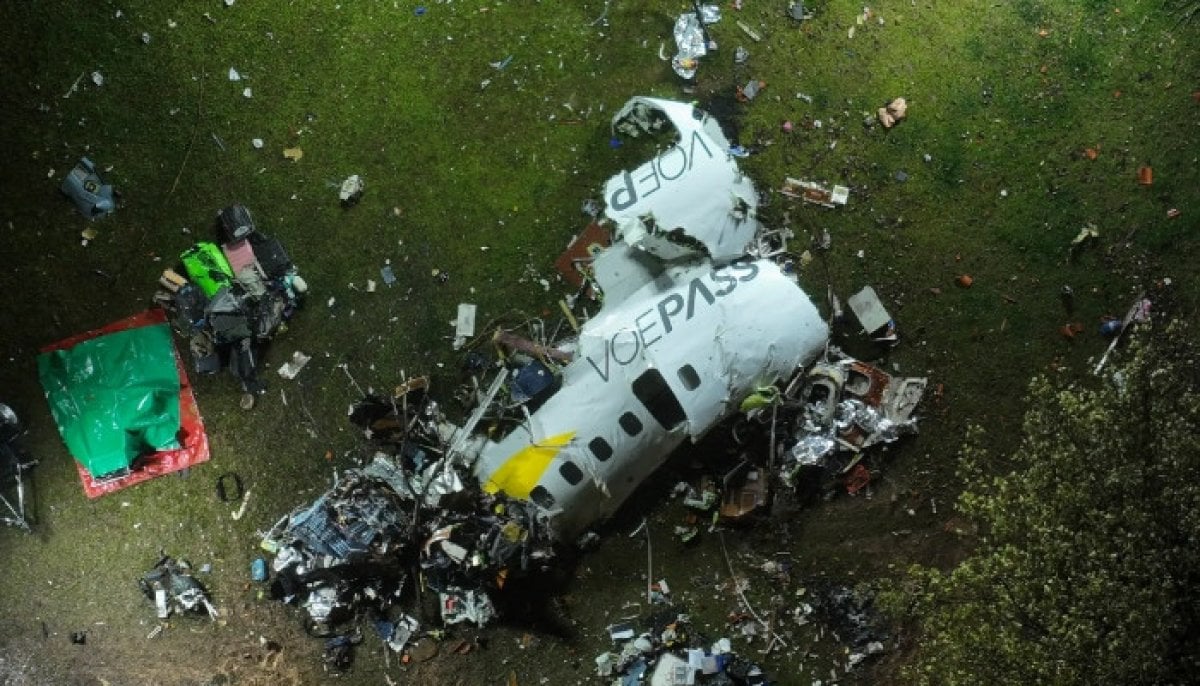 Brazil investigators blame icing and system failures for 2024 Voepass crash
 -
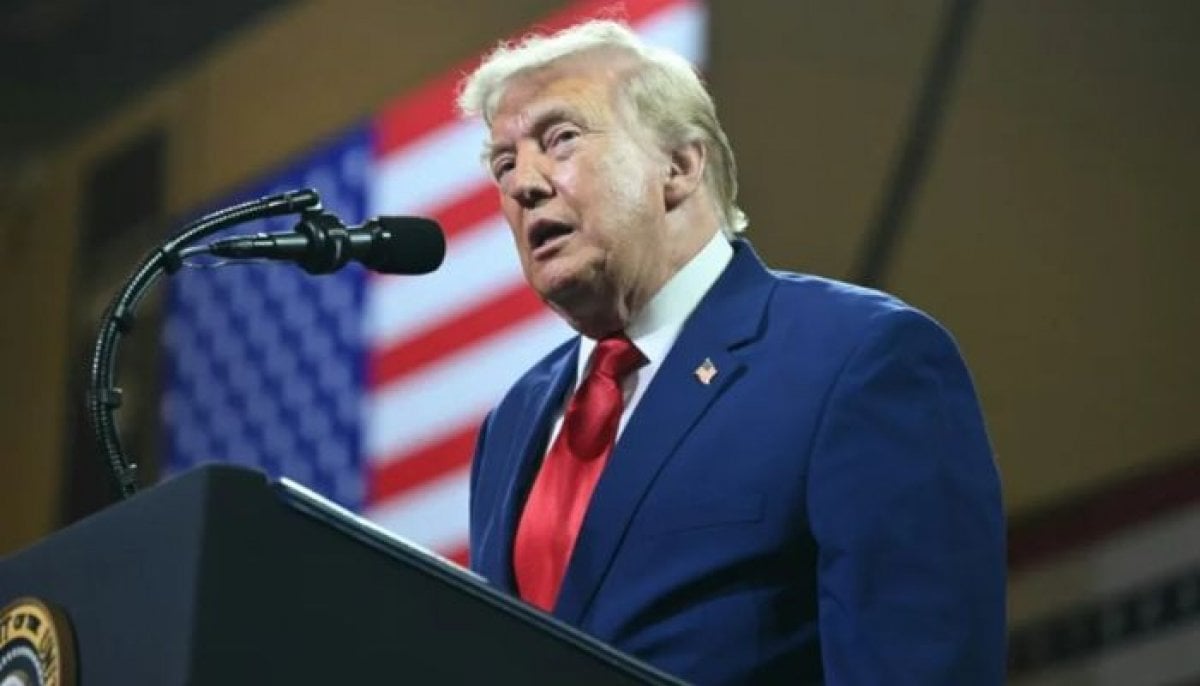 US imposes tariffs on 60 trading partners over forced labor concerns
 -
 WestJet strike: passengers allowed to change bookings ahead of possible strike
 -
 Spain faces budget setback after parliament rejects 2027 spending plan
-
 25 democratic States sue Trump Administration over disaster relief funds
 -
Trump confirms Chinese President Xi Jinping to visit US on September 24
-
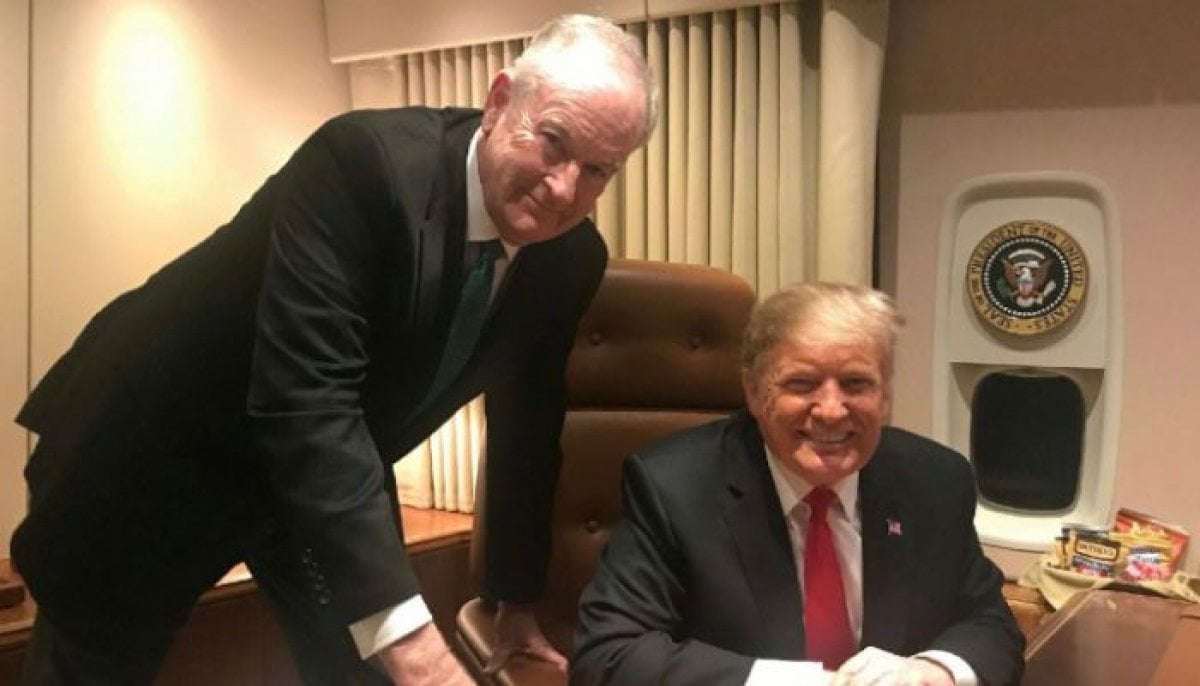
Bill O’Reilly offers crucial advice to President Donald Trump during Iran war
-
White House tracks OpenAI breach as lawmakers push emergency 'AI kill switch'