New study reveals 60% of adults will be overweight or obese by 2050
"Unprecedented global epidemic of overweight and obesity is a profound tragedy," says lead researcher
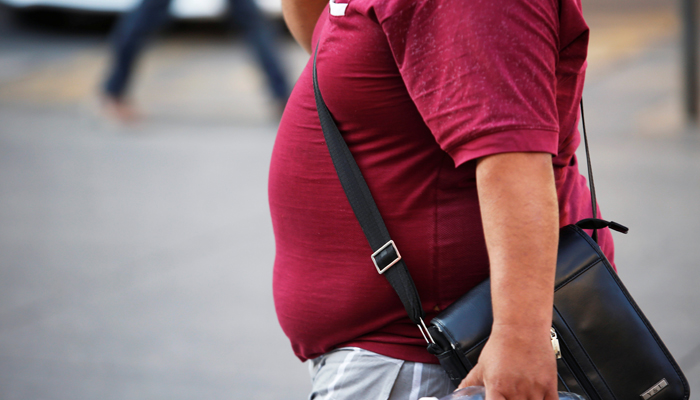
A large new study on Tuesday revealed that almost 60% of all adults and a third of all children in the world will be overweight or obese by 2050 unless governments take action.
The research published in the Lancet medical journal used data from 204 countries to paint a grim picture of what it described as one of the great health challenges of the century.
"The unprecedented global epidemic of overweight and obesity is a profound tragedy and a monumental societal failure," lead author Emmanuela Gakidou, from the US-based Institute for Health Metrics and Evaluation (IHME), said in a statement.
The number of overweight or obese people worldwide rose from 929 million in 1990 to 2.6 billion in 2021, the study found.
Without a serious change, the researchers estimate that 3.8 billion adults will be overweight or obese in 15 years — or around 60% of the global adult population in 2050.
The world's health systems will come under crippling pressure, the researchers warned, with around a quarter of the world's obese expected to be aged over 65 by that time.
They also predicted a 121% increase in obesity among children and adolescents around the world.
A third of all obese young people will be living in two regions — North Africa and the Middle East, and Latin America and the Caribbean — by 2050, the researchers warned.
But it is not too late to act, said study co-author Jessica Kerr from Murdoch Children's Research Institute in Australia.
"Much stronger political commitment is needed to transform diets within sustainable global food systems," she said.
That commitment was also needed for strategies "that improve people's nutrition, physical activity and living environments, whether it's too much processed food or not enough parks," Kerr said.
More than half the world's overweight or obese adults already live in just eight countries — China, India, the United States, Brazil, Russia, Mexico, Indonesia and Egypt, the study said.
While poor diet and sedentary lifestyles are clearly drivers of the obesity epidemic, "there remains doubt" about the underlying causes for this, said Thorkild Sorensen, a researcher at the University of Copenhagen not involved in the study.
For example, socially deprived groups have a "consistent and unexplained tendency" towards obesity, he said in a linked comment in The Lancet.
The research is based on figures from the Global Burden of Disease study from the IHME, which brings together thousands of researchers across the world and is funded by the Bill and Melinda Gates Foundation.


-
 Everything to know about US FDA’s new guidance on apps used with prescription drugs
 -
 ‘Immortal’ jellyfish could hold clues to slowing human ageing
 -
 Ebola crisis worsens in DR Congo as virus reaches eighth province with over 4,500 dead
 -
 Study finds eating blueberries every day can surprisingly boost your mood
 -
 Eli Lilly’s Foundayo weight-loss pill gets European approval recommendation
 -
 What is BPC-157? Trump administration considers easing rules on popular peptide injections
 -
 West Nile virus: Europe reports 141 deaths as human cases rise in 2026
 -
 Health Canada reviewing new mRNA flu vaccine that could prevent more hospitalisations