Researchers discover microplastics in 99% of seafood samples
Recent studies discover microplastics in all meat and produce products tested in research
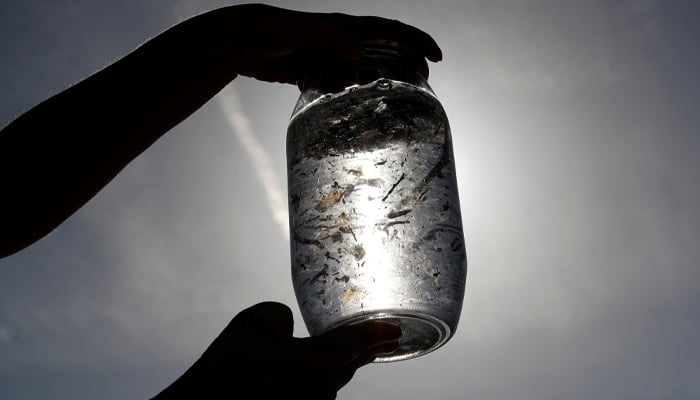
Researchers have found widespread microplastic contamination in seafood samples increasing the growing evidence of the dangerous substances' presence in the food and an increasing threat to human health.
The peer-reviewed study found microplastics in 99% or the 180 out of 182 seafood samples bought at the store or from a fishing boat in Oregon.
Researchers discovered the highest levels of the harmful microplastics in shrimp, according to The Guardian.
The researchers were also able to determine the most common type of microplastic and they were fibres from clothing or textiles, representing a whopping 80% of the substance they detected.
A Portland State University microplastics researcher and study co-author, Elise Granek, says the findings underline a serious problem with plastic use at its current scale.
"As long as we’re using plastic as a major component in our daily lives and we’re using it in a widespread fashion, then we’re going to see them in our food, too," Granek said.
Researchers have detected microplastics in water samples around the world and food is believed to be a main exposure pathway. Recent studies discovered them in all meat and produce products that were tested in the research.
Microplastic pollution can contain any number of 16,000 plastic chemicals
There are over 16,000 plastic chemicals and microplastic pollution can contain any number of chemicals such as PFAS, bisphenol and phthalates.
These chemicals are linked to cancer, neurotoxicity, hormone disruption or developmental toxicity. The harmful substance can cross the brain and placental barriers. People who have the chemicals in their heart tissues are twice as likely to have a heart attack or stroke.
This study sampled five types of fin fish and pink shrimp as well. They found that microplastics can travel from gills or mouths to meat that humans consume.
Lingcod purchased from the store showed higher levels of microplastic presence because it is more processed than that which was bought directly from a boat. Still, the levels were slightly higher but not significantly more.
The study authors, however, do not recommend avoiding seafood because microplastics have been widely found in meat and produce so changing what you eat will not result in a greater impact but rinsing what you eat could reduce microplastics presence in the food.


-
 WHO confirms death at Russian research lab, says no plague case registered
 -
 Getting a $90 check from Social Security? Here’s why
 -
 Measles cases in US top 4,000 nationwide, CDC reports
 -
 Sexually transmitted diarrhea spread in US, UK: Why antibiotics are failing against Shigella
 -
 Who is Song Li? China puts her forward for WHO leadership role
 -
 CDC monitors travelers from Siberia after plague worker’s death, director says
 -
 Russia pushes back on plague death reports, defends WHO notification
 -
 WHO deems Russia plague risk 'low' following lab technician’s fatal illness