Signs that your cold requires more attention
Seeing healthcare provider has been deemed important if your cold symptoms persist, worsen

Typically caused by rhinovirus, a common cold has the ability to cause a runny nose, congestion, coughing as well as sneezing.
According to Health, signs that it's more than a cold include a sore throat, chills, diarrhoea, nausea and throwing up.
If your symptoms improve, then your body is likely getting over a cold and your mucus has changed from clear to yellow or green in colour.
However, it's important to see a healthcare provider if your symptoms persist or worsen.
Fever above 101 degrees
When you have a cold, it's possible to be feverish, however, a high fever is not common.
It is important to note that a fever higher than 101 degrees may be a sign of strep throat.
In the first few days of illness, most people with strep throat develop a high fever.
Low-grade fever for several days
Even if it does not feel super intense, be diligent about checking your body temperature.
Additionally, running a low-grade fever for several days in a row might be a sign your body is trying to fight off more than a cold.
Pattern to your symptoms
Allergies and colds can share symptoms, however, a key difference is that allergies will not include a fever.
After time outdoors and during certain seasons, allergies will also often follow a pattern and are likely the culprit if your symptoms worsen.
Body aches
Body aches can be caused by a cold, however, pain is usually slight. In contrast, the flu usually makes your muscles and body feel achy.
Moreover, this pain can sometimes be severe.
Chest pain or trouble breathing
A cough is a typical cold symptom. If it causes chest pain, shortness of breath, and wheezing, it usually is not so severe.
These symptoms can be a sign of bronchitis or pneumonia.
Bronchitis is inflammation of the tubes that carry air to and from the lungs (bronchial tubes). Pneumonia is inflammation of the lungs.
Chills
At the start of a bacterial or viral infection, you might get chills.
To generate heat, your muscles rapidly contract (squeeze) and relax when you are cold.
Chills, typically accompanying a fever, cause you to become pale, feel cold, and shiver.
Disclaimer: Consult your doctor before coming to any conclusion about your health.


-
 WHO confirms death at Russian research lab, says no plague case registered
 -
 Getting a $90 check from Social Security? Here’s why
 -
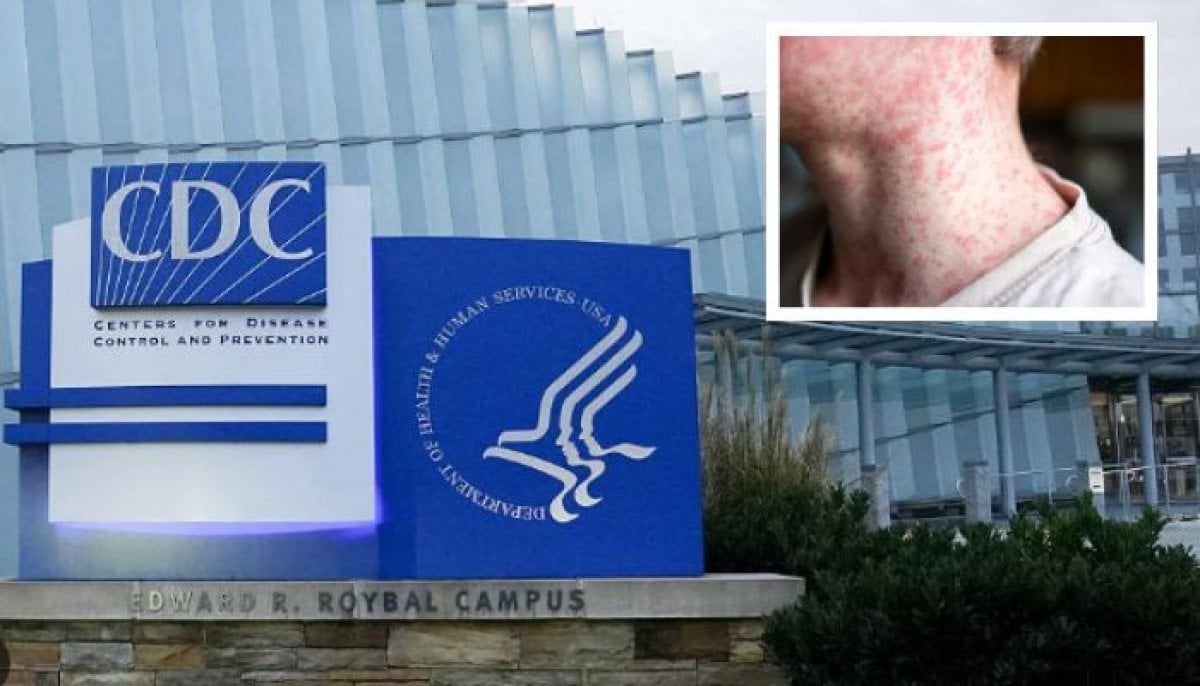 Measles cases in US top 4,000 nationwide, CDC reports
 -
 Sexually transmitted diarrhea spread in US, UK: Why antibiotics are failing against Shigella
 -
 Who is Song Li? China puts her forward for WHO leadership role
 -
 CDC monitors travelers from Siberia after plague worker’s death, director says
 -
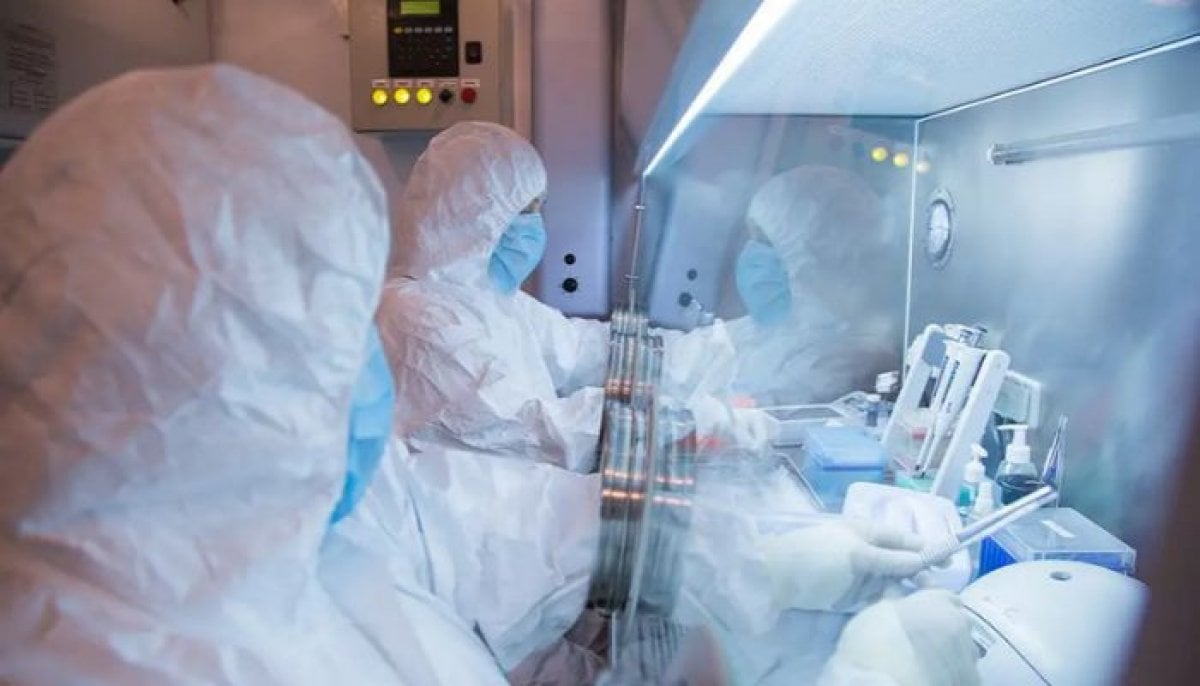 Russia pushes back on plague death reports, defends WHO notification
 -
 WHO deems Russia plague risk 'low' following lab technician’s fatal illness