People living near airports face increased risk of heart attack: research
New study by University College London researchers reveals that high air craft noise is detrimental for heart
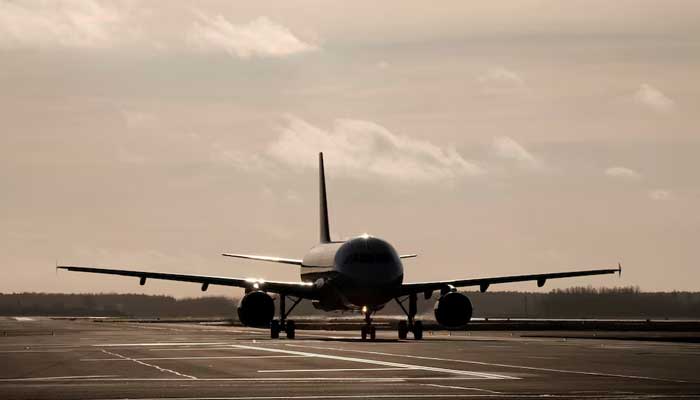
ISTANBUL: Residing near airports with high aircraft noise could increase the risk of heart issues, including heart attacks and strokes, as per a new study led by University College London researchers.
Detailed heart imaging data from 3,635 individuals living near four major airports in England was analysed by the study
It was then compared with data from people in areas with lower aircraft noise levels.
The risk, researchers found, was particularly true for those exposed to higher aircraft noise at night, likely due to factors such as disrupted sleep and increased time spent at home, leading to greater noise exposure.
The researchers found that heart abnormalities in people not exposed to aircraft noise could raise the risk of major cardiac events, such as heart attack, arrhythmias, or stroke, by two to four times compared to those without these abnormalities.
"Our study is observational so we cannot say with certainty that high levels of aircraft noise caused these differences in heart structure and function," said cardiologist Gaby Captur.
"However, our findings add to a growing body of evidence that aircraft noise can adversely affect heart health and our health more generally," she added.


-
 Ebola spreading ‘like a wildfire’ in Democratic Republic of Congo, expert warns
 -
 CDC expands Cyclospora outbreak to nine states as cases continue to rise
 -
 UK heatwave safety: How to protect children and pets
 -
 Could weight-loss injections be increasing hair loss? Here’s what experts say
 -
 US announces $5 billion AI push to transform health, construction research
 -
 Study reveals how much coffee is safe for your heart
 -
 Doctors challenge the science behind the Pentagon’s plan for testosterone screening
 -
 Alaska cruise struck by third suspected norovirus outbreak in weeks
-
 Your menstruation tracker may be sharing more than you think: Hidden privacy risks
 -
Parasite behind ‘explosive diarrhea’ spread across 31 US states: What to know
-
Tick-borne anaplasmosis on the rise in Canada, CMAJ study warns
-
Heat warning in Ontario: here’s what you can do to stay safe during extreme heat waves