These phones will no longer have WhatsApp in 2025
Many older phone devices can't support Meta's app due to technological advances

Android devices running the KitKat operating system (OS) or older versions will no longer support Meta's platform, WhatsApp, starting January 1, 2025, according to a report by IOL.
Meta, WhatsApp's parent company, stated that this decision is aimed at enhancing security and app functionality.
WhatsApp's evolving innovations—such as encryption updates, multi-device support, advanced video calling features, and AI functionalities—require modern hardware and software to function effectively.
Older devices are unable to support these new features and struggle to protect user data as technology advances.
Without regular software and security updates, these phones become increasingly vulnerable to cyber threats, and app functionality is significantly reduced.
WhatsApp to stop working on following devices in 2025:
Samsung: Galaxy S3, Galaxy Note 2, Galaxy Ace 3, Galaxy S4 Mini
Motorola: Moto G (1st Gen), Razr HD, Moto E 2014
HTC: One X, One X+, Desire 500, Desire 601
LG: Optimus G, Nexus 4, G2 Mini, L90
Sony: Xperia Z, Xperia SP, Xperia T, Xperia V.
It is also important to note that older model iPhone users have until May 5, 2025 to update their software because WhatsApp will no longer support iPhones running iOS 15.1 or lower.
This means that iPhone 5s, iPhone 6, and iPhone 6 Plus users will need to upgrade their devices or they will have to update to a newer iOS version to continue using the app.


-
 Can cancer drugs be made in space? Here’s what the new mission aims to find out
 -
 SpaceX Falcon 9 successfully launches Bandwagon-5 mission with 32 payloads
 -
 Europe launched 8 orbital rockets last year, can it rival Starlink?
 -
 Japan launches world’s first mission to bring sample back from phobos
 -
 Orionid meteor shower 2026: Peak date, viewing tips and what to expect
 -
 Why Mars looks blue in NASA’s unedited curiosity panorama?
 -
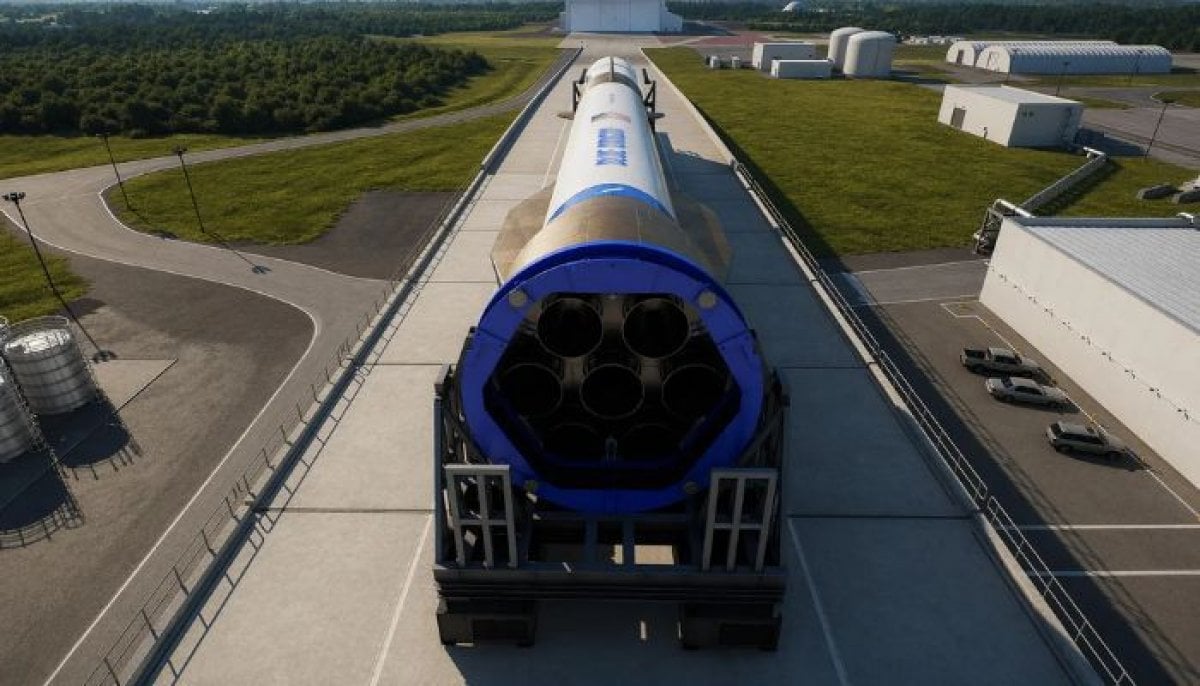 Blue Origin upgrades new Glenn rocket launch infrastructure to take on SpaceX
 -
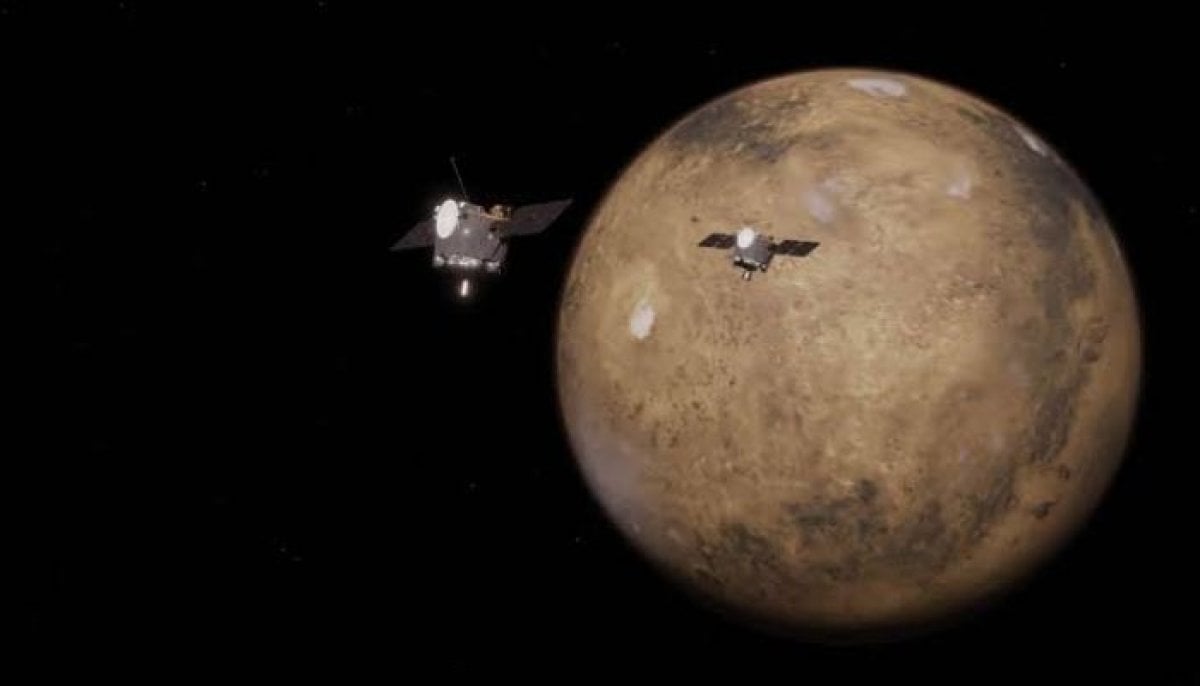 NASA’s next Mars mission targets Phobos and Deimos, not Red Planet