Leghari optimistic about 'cheaper electricity' as talks with IPPs underway
Pakistan will no longer be among countries generating expensive electricity, says energy minister
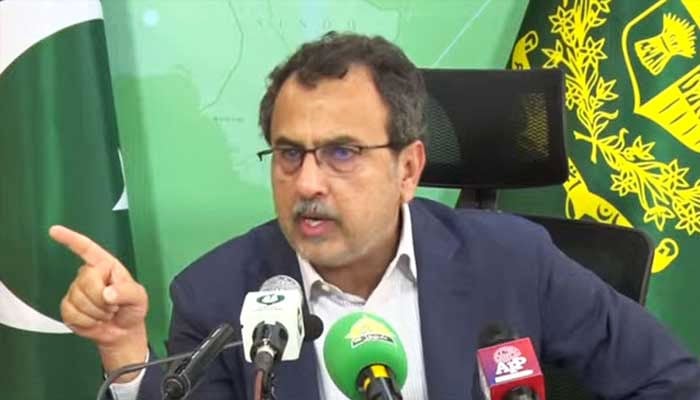
In a bid to provide relief to people, Minister for Power Awais Leghari on Friday said that talks with 11 more independent power producers (IPPS) were currently underway to reduce electricity tariffs.
Briefing a session on the “Bijli Sahulat Package,” Laghari said that the government terminated power purchase agreements with five IPPs, a move expected to save the economy billions of rupees by reducing capacity payments.
He said Pakistan would no longer be among countries generating expensive electricity.
“We are hopeful that in the coming months, Pakistan will not be a country generating costly electricity in the region."
He said that providing relief to the common people remains a top priority.
“It is the prime minister's directive to ensure relief for consumers,” he added.
Under PM Shehbaz Sharif's dynamic vision, promoting economic activities was a key priority, and the power sector was playing a crucial role in bolstering the national economy.
The minister termed the electricity relief package as a revolutionary step that has achieved a significant milestone in the power sector, contributing to economic stability.
“We have initiated reforms not only to streamline the power sector but also to make it profitable,” he added.
He underscored the importance of the power sector as the backbone of the country's economy, adding that the government has delivered on its promises to the public.
The package, he noted, will provide relief to domestic consumers while simultaneously boosting industrial activities.
Earlier this month, the government announced the "Bijli Sahulat Package" for the winter months from December 2024 to February 2025. A flat rate of Rs26.07 per unit will be offered for any additional electricity demand above the benchmark historical average, read a statement issued by the Power Division.
“Industries that consume additional electricity, beyond a set benchmark based on their historical consumption, will benefit from 18% to 37% discount on the prevailing tariff rate.”
— With additional input from APP.


-
 World Bank in crisis aid talks with dozens of nations amid global shocks
 -
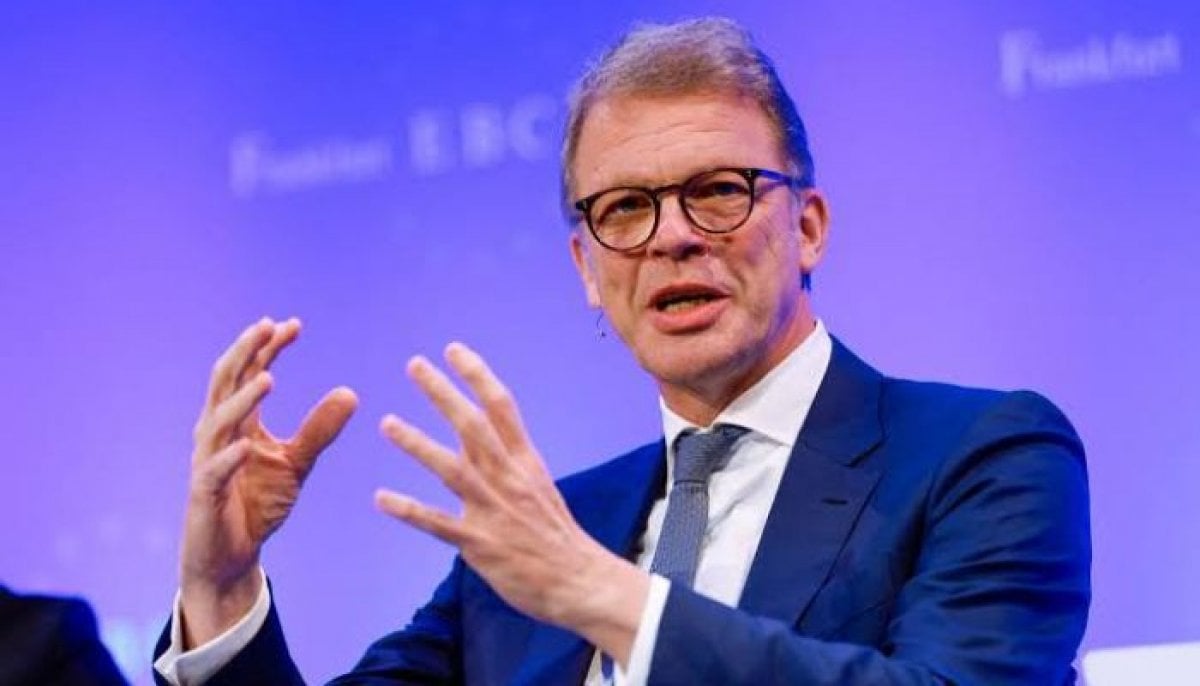 Deutsche Bank chief explains why German election results alarm foreign investors
 -
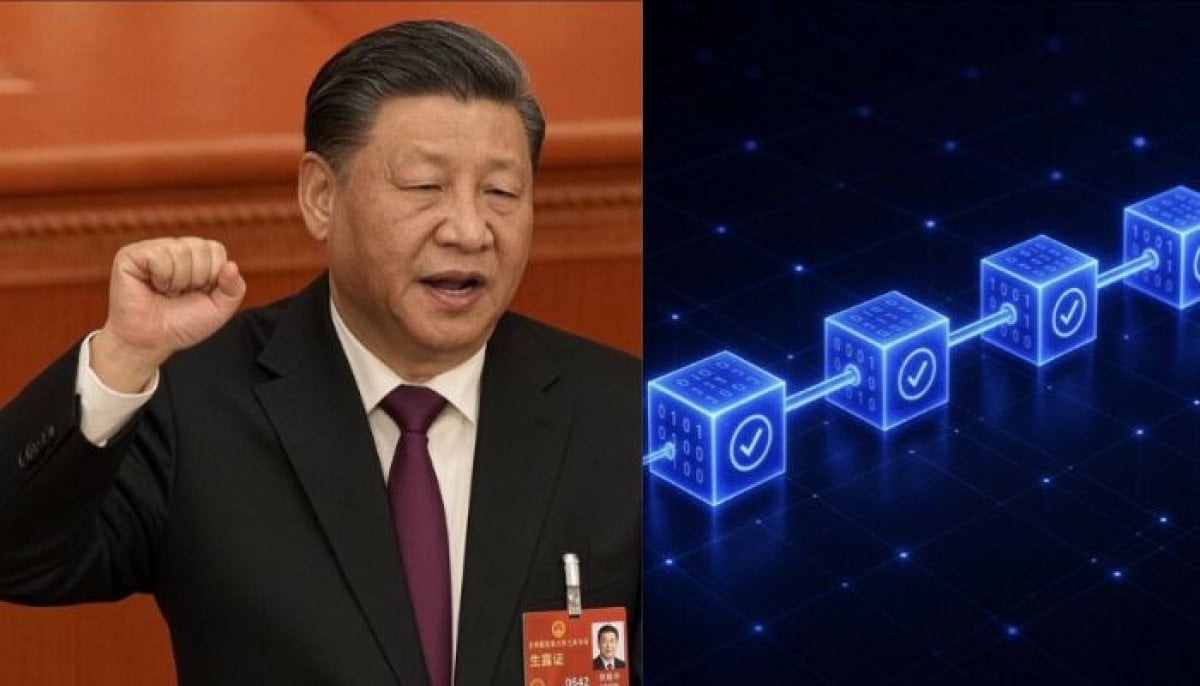 China orders development of national blockchain network in economic blueprint: Here’s why
 -
 Tesla renames 'full self-driving' to 'assisted driving' in Europe: What to know
 -
 US sanctions ICC hours after former judge wins Nobel Prize: What to know
 -
 Trump holds millions in Meta stock: What to know
 -
 Amazon announces 1,000 corporate job cuts, primarily targeting retail division
 -
 Coupang files lawsuits to contest record $462 million South Korean data breach penalties