Exercise can be anti-aging?
Exercise has been linked to increased muscle strength, improved heart health, lower blood sugar

Exercise can help in keeping the brain young as per a new study.
It has been linked to increased muscle strength, improved heart health, lower blood sugar, and numerous other health benefits, according to Medical News Today.
A wide range of advantages that go beyond enhancing physical appearance or stamina are offered by physical activities such as running on a treadmill, biking up a steep hill, lifting weights, or taking a brisk lunchtime walk.
Understanding the deep links between body and mind, evidence from studies implies that regular physical activity could boost mood, alleviate stress, and sharpen cognitive function.
Ryan Glatt, CPT, NBC-HWC, senior brain health coach told MNT they "underscore the multifaceted benefits of exercise on brain health, particularly through gene regulation, mitochondrial function, and immune response".
"They offer valuable insights by merging molecular biology with practical health interventions for aging populations," he added.
Disclaimer: This may not work for everyone. Consult your doctor before trying this out.


-
 Eli Lilly’s Foundayo weight-loss pill gets European approval recommendation
 -
 What is BPC-157? Trump administration considers easing rules on popular peptide injections
 -
 West Nile virus: Europe reports 141 deaths as human cases rise in 2026
 -
 Health Canada reviewing new mRNA flu vaccine that could prevent more hospitalisations
 -
 Scientists discover hidden drainage route at the back of the eye
 -
 WHO confirms death at Russian research lab, says no plague case registered
 -
 Getting a $90 check from Social Security? Here’s why
 -
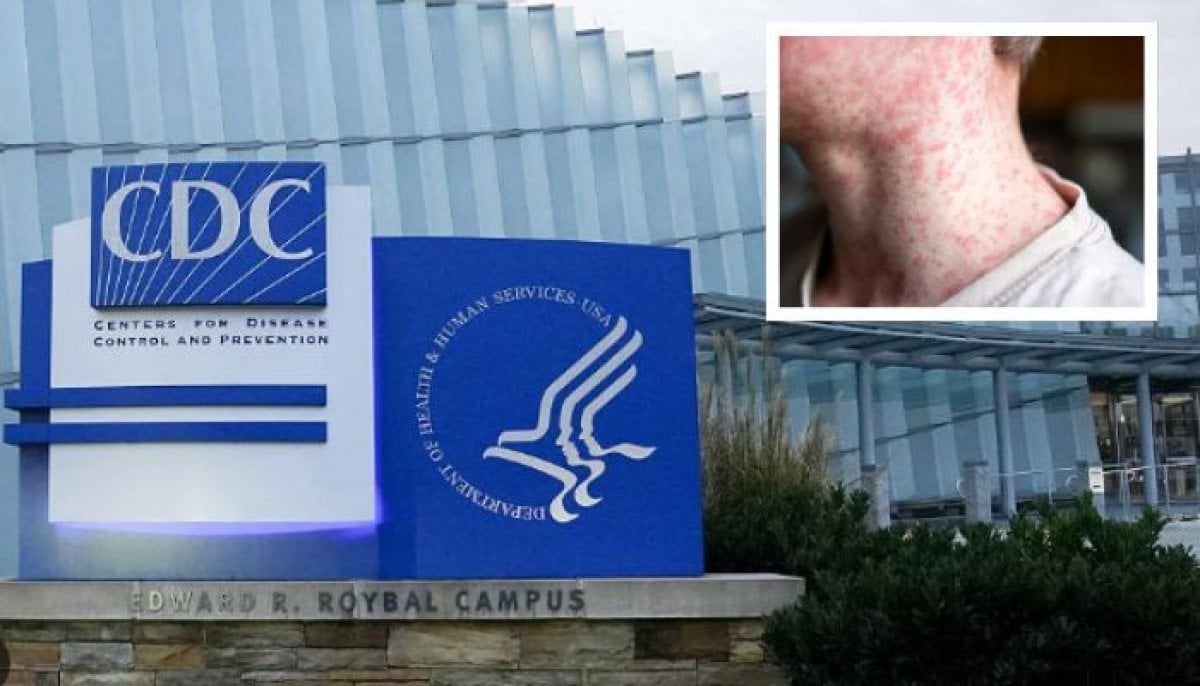 Measles cases in US top 4,000 nationwide, CDC reports
-
 Sexually transmitted diarrhea spread in US, UK: Why antibiotics are failing against Shigella
 -
Who is Song Li? China puts her forward for WHO leadership role
-
CDC monitors travelers from Siberia after plague worker’s death, director says
-
Russia pushes back on plague death reports, defends WHO notification