Horsehead Nebula image reveals shocking details
Nasa James Webb Space Telescope captures Horsehead Nebula
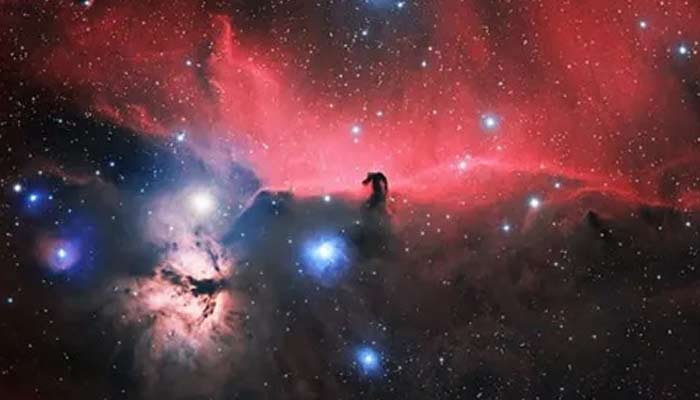
Horsehead Nebula has been captured by Nasa’s James Webb Space Telescope and minute details of one of our Milky Way galaxy’s most stunning celestial objects have been revealed.
Close-ups of the molecular cloud’s gas waves rising up inside the constellation of Orion, were photographed by the most powerful telescope ever designed.
Revealing detail in the edges of the equine-shaped nebula’s “mane”, infra-red imaging was utilised to capture the images 1,300-million light years away from Earth.
Illuminated by a hot young star embedded in its top left edge, the Horsehead Nebula is a collapsing cloud of dense and cool gas.
This nebula, which looks distinctive because of the horse-like structure due to lighter gas being eroded. Consequently, a thick pillar of dense gas and dust that is harder to erode has surfaced.
However, this is expected to not last longer. Even this pillar of denser matter will be gone in around 5 million years as estimated by the scientists, according to Space.
A stunning image of part of the Horsehead Nebula was also taken by JWST's other primary camera, the Mid-Infrared Instrument (MIRI). With thick white and blue smoke punctuated by dark voids, a small portion of the nebula fills over half of this image.


-
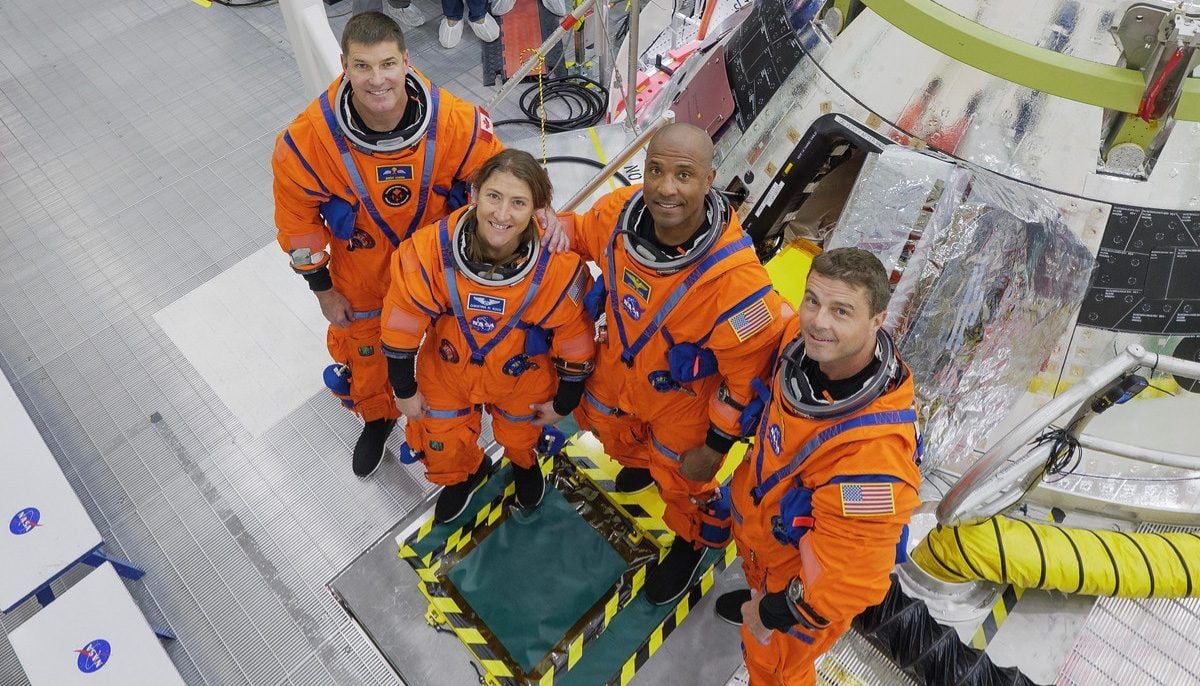 NASA Artemis II crew to break Apollo 13 distance record
 -
 New study investigates phenomenon surpassing the speed of light
 -
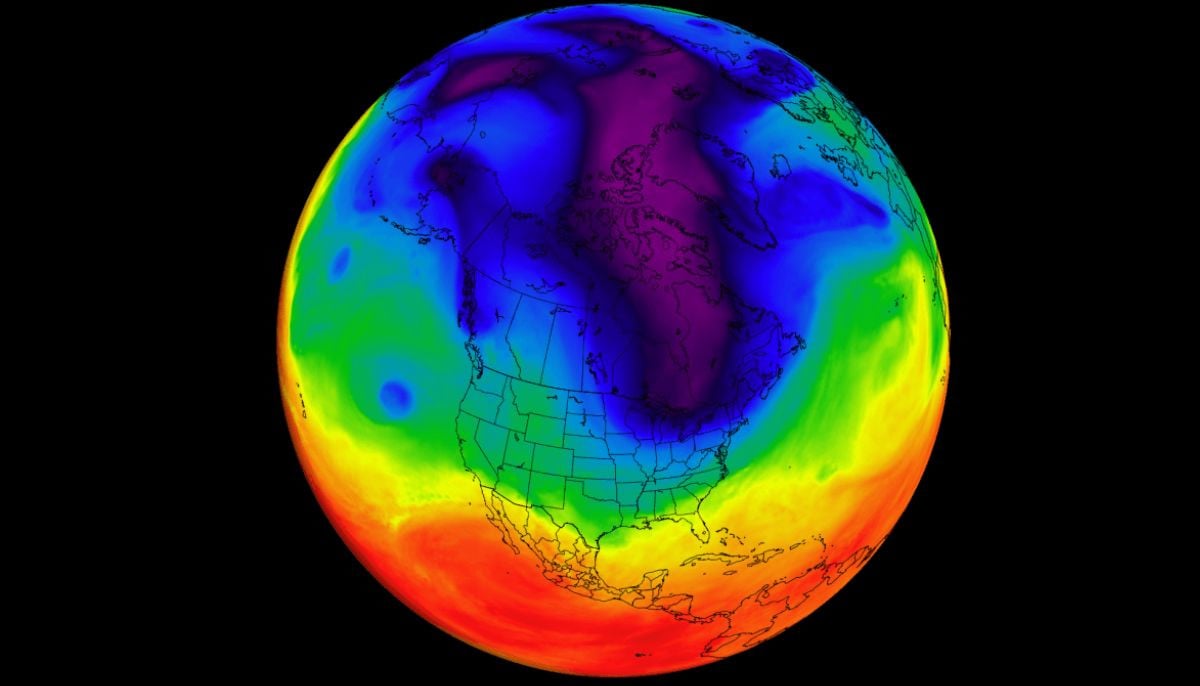 Polar Vortex enters final ‘seasonal’ phase: Rare shift signals winter weather risks into April
 -
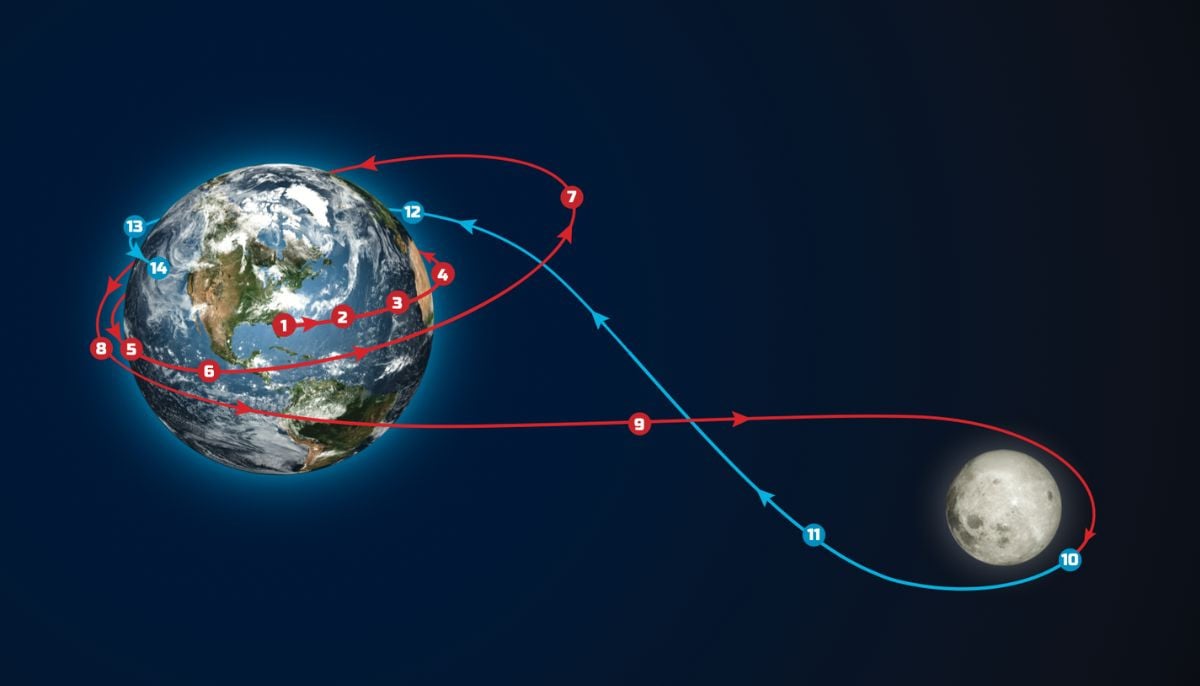 Why NASA Artemis II won’t take straight path to Moon: ‘Figure-8’ route explained
 -
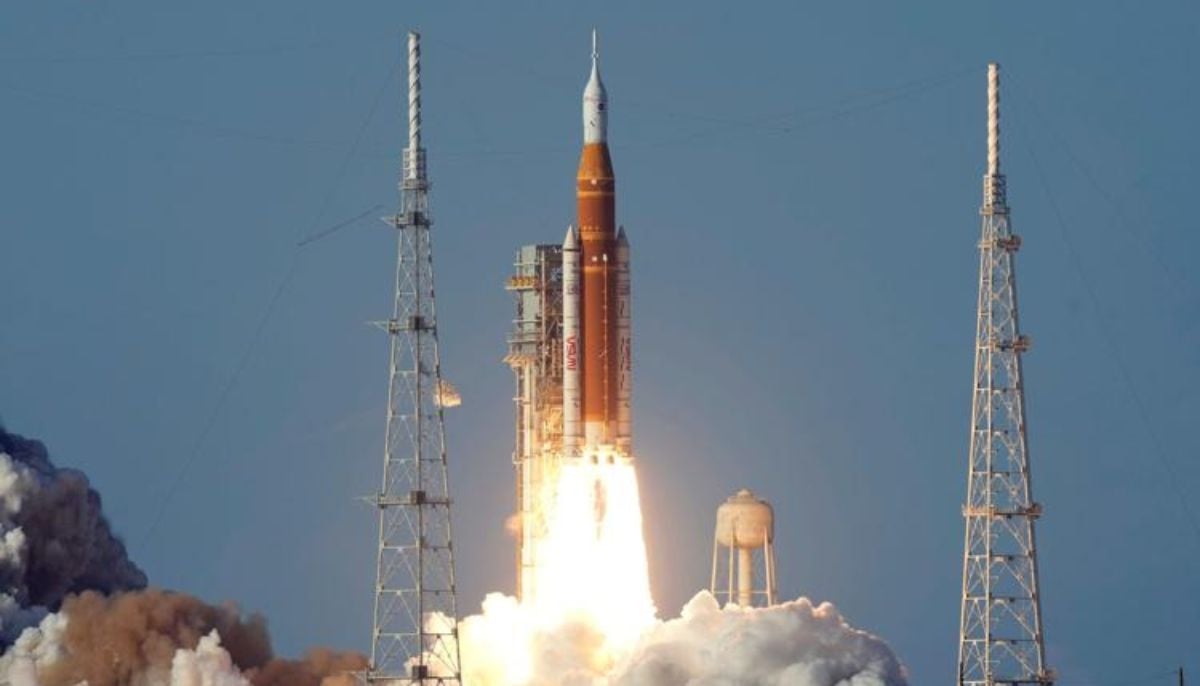 Even in space: NASA Artemis II astronauts hit Outlook glitch mid-mission
 -
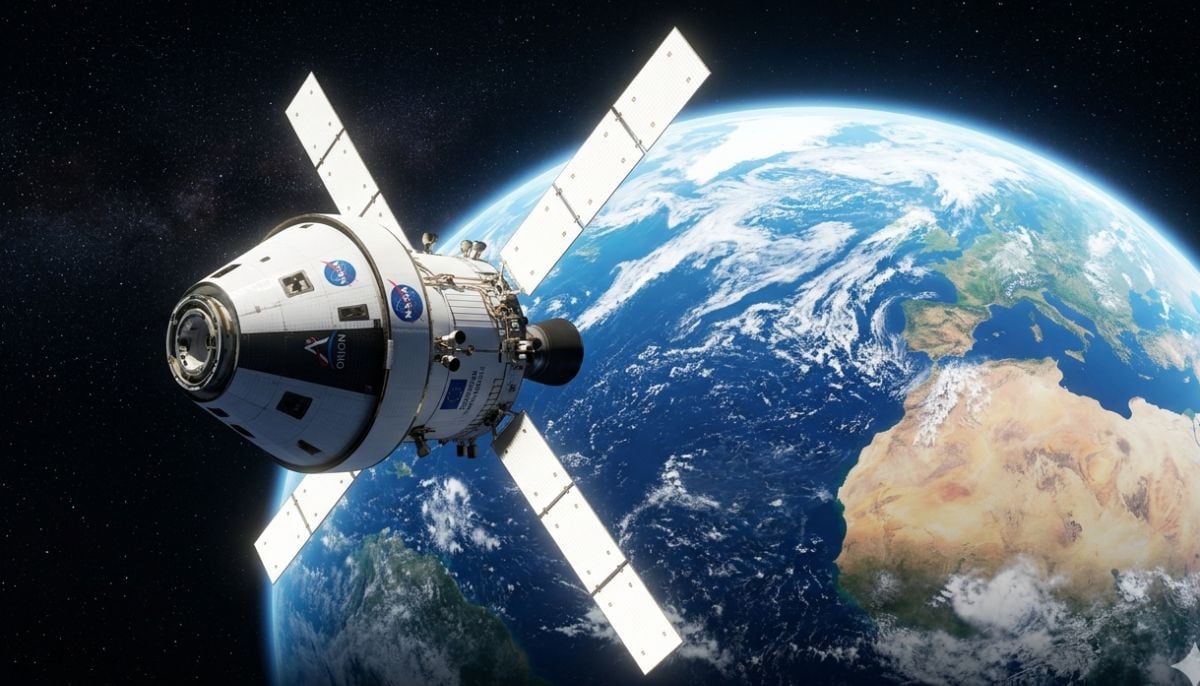 Artemis II hurtles ever closer to the lunar far side
 -
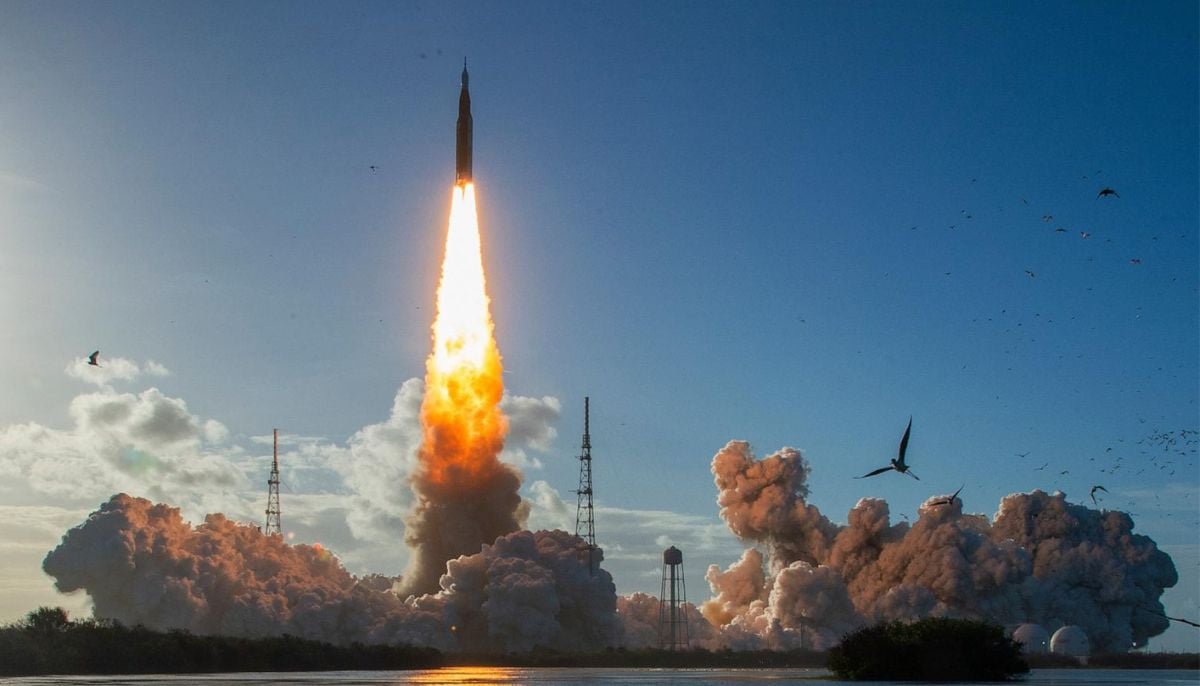 Where is Artemis II today? Here is everything to know about NASA’s journey to the moon
 -
 European Space Agency to negotiate with NASA on future lunar missions