Diamonds can now be grown in lab
Lab-grown diamonds are real deal right now
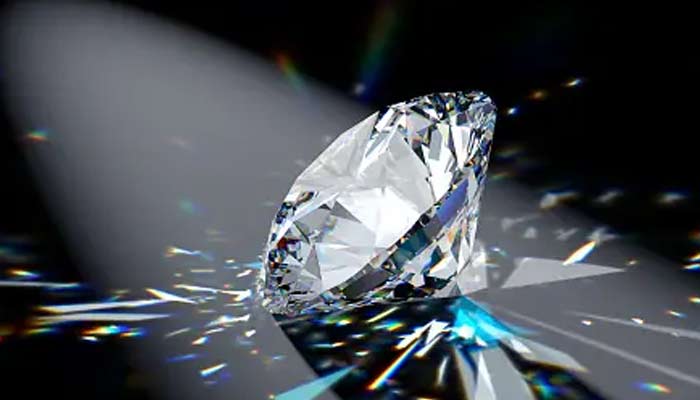
A new method for creating diamonds in the lab without severe pressure has been devised by a research team led by Rod Ruoff at the Institute of Basic Science (IBS) at the Ulsan National Institute of Science and Technology (UNIST) in South Korea.
The method, according to the researchers, may make it easier to create longer films and larger diamond crystals, which have numerous uses in modern electronics and optics, according to Interesting Engineering.
Artificial or lab-grown diamonds are not a recent finding. Using molten iron sulphide, General Electric found this process almost 50 years ago. The Earth's mantle, where diamonds are naturally created, is replicated using the High-Pressure, High-Temperature (HPHT) process.
The liquid metal transforms into diamonds when temperatures hit 2,552 degrees Fahrenheit (1400 degrees Celsius) and pressure reaches at least five gigapascals (1 Pa = 10,000 atm).
The alternative method, chemical vapour deposition (CVD), is less pressure-sensitive but necessitates specialised equipment for semiconductor production.
A diamond seed is also used in both methods to aid in the initiation of diamond creation. The UNIST team's method, on the other hand, eliminates this necessity and places these diamonds at standard atmospheric pressure.
Many years ago, Ruoff noticed that the synthesis of diamonds may not need higher pressures. A 2017 study showed that liquid gallium dissolves carbon atoms and binds them into a solid sheet-like graphene when exposed to methane gas.
Ruoff believed that under the right conditions, this process could also result in diamonds and began working on developing it.


-
 SpaceX Falcon 9 launches 21 military satellites into orbit
 -
 Could a newly engineered microbe help humanity survive on Mars?
 -
 Astronomers find most distant fast radio burst ever recorded
 -
 Draconid meteor shower tonight: Best time and places to see it
 -
 ‘A dream for 50 years’: Why world’s first nuclear clock could change timekeeping
 -
 NASA Curiosity captures strange ‘wind-carved’ Mars landscape in dawn image
 -
 NASA's Crew-12 Dragon begins return trip from space station
 -
 Mysterious ‘phoenix planet’ found around the remains of a dying star