Chinese yuan officially takes over US dollar
Chinese yuan officially becomes most traded currency in Russia, beating dollar amid ongoing genocide in Palestine
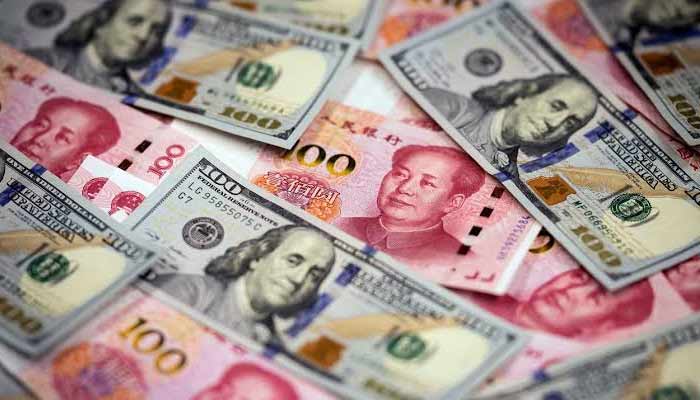
Chinese yuan has officially become the most traded currency in Russia, beating Unites States dollar amidst an ongoing genocide in Palestine, Watcher Guru reported
According to new data reports, trade in yuan make up 42% of currency trades in Russia, meanwhile, trading in dollar accounted for 39.5%.
Moreover, the figures show that the trading volumes for the yuan had tripled, reaching $385 billion in 2023.
With such extensive usage, it is anticipated that this year, trading in yuan will increase more than the figure last year.
Russia is currently battling several sanctions levied by the West, particularly the US, for its ongoing war in Ukraine.
The levied sanctions have caused difficulties, hampering Russia’s global supremacy status, rendering it incapable of carrying out national and international transactions via traditional and established routes.
To evade these sanctions, Russia has been looking for new alternatives such as using Chinese yuan to conduct foreign trade and offshore transactions replacing the US dollar.
Moscow is now intensifying its calls against the use of dollar, bringing up the idea of "de-dollarisation".
During an interview, Russian Prime Minister Mikhail Mishustin was noted urging Middle Eastern oil producing countries to switch from US dollar to national and regional currencies.


-
 UK Parliament urges comprehensive AI bill to tackle human rights threats and regulatory gaps
 -
 Canada courts EU for ‘unique alliance’ as US trade war intensifies
 -
 Jemima Goldsmith gets married again 22 years after Imran Khan split
 -
 Sweden election too close to call as centre-left leads by just one seat
 -
 Wisconsin Rep. Tom Tiffany swims to safety after plane makes emergency landing in lake
 -
 Trump tells Ukraine to stop targeting Russian diesel amid record US fuel prices
 -
 Lindsay Clancy trial backlash sparks shocking calls to strip women of the right to vote
 -
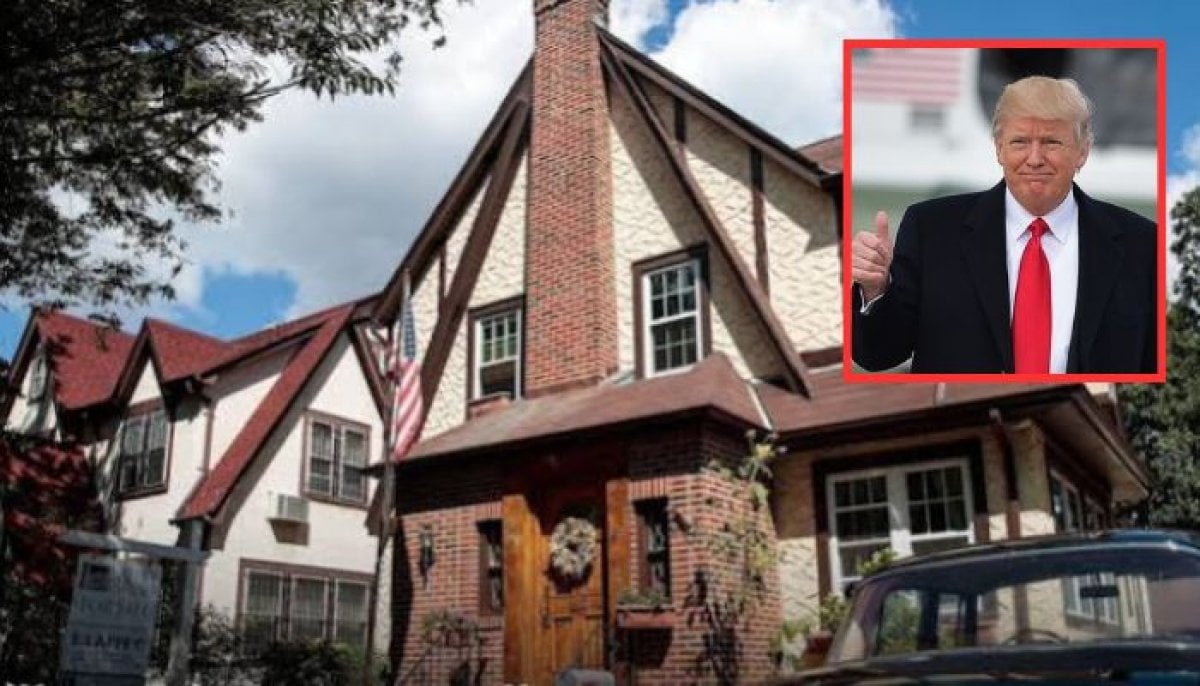 Donald Trump's childhood home in New York sells for $2 Million after major renovation
-
 US officials ‘secretly flew diplomat out of UK’ amid indecent image claims
 -
Trump sparks backlash after calling a unified Ireland 'Fantastic' during visit
-
German firms shift billions to China as US investment plummets, IW study shows
-
140 missing after Indonesian passenger ship loses contact in Java sea, search operations underway