Picasso Museum in Paris set to reopen with painter's biggest collection on display
Museum will also pay tribute to his ex-partner and famous painter Francoise Gilot
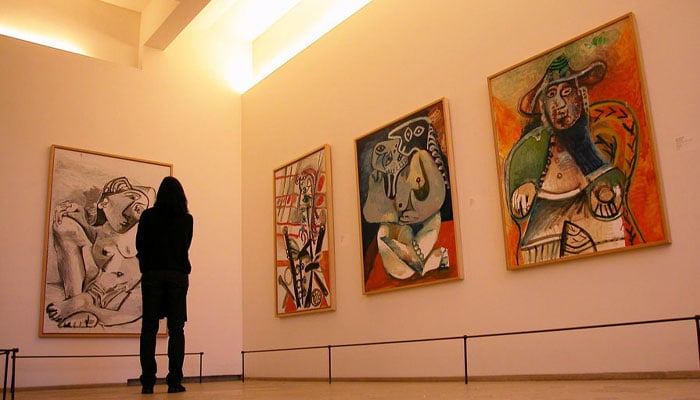
Pablo Ruiz Picasso, born in Spain, is one of the most celebrated painters of the 20th century. He is known for starting Cubism, introducing the world to constructed sculpture and the co-invention of collage, Barrons reported via AFP.
His biggest collection of paintings is available at the Picasso Museum in Paris which is set to reopen starting on Tuesday, with a tribute to his ex-partner the famous painter Francoise Gilot who has two children with him.
Picasso died at the age of 91 in 1973 in France while Gilot passed away in 2023 at the age of 101.
According to the museum, it is the only institution that can trace Picasso's development from his career start, up to his death.
The new permanent collection will present a fresh selection of 400 works by Picasso across the museum's 22 rooms.
They have been drawn from some 200,000 items stored in its archives, which include a large proportion of the 2,000 paintings and more than 11,000 drawings he completed during his lifetime.
All the key periods are represented, from blue, pink, and cubist to surrealist, collage, and ceramics.
A section called "Laboratory" highlights Picasso's countless sculptures, made from cardboard, metal, wood, cigar boxes and whatever else came to hand, together with related drawings and paintings.
His works during World War II and the Nazi occupation of Paris, including the sculpture "Man with a Sheep", became a symbol of resistance.


-
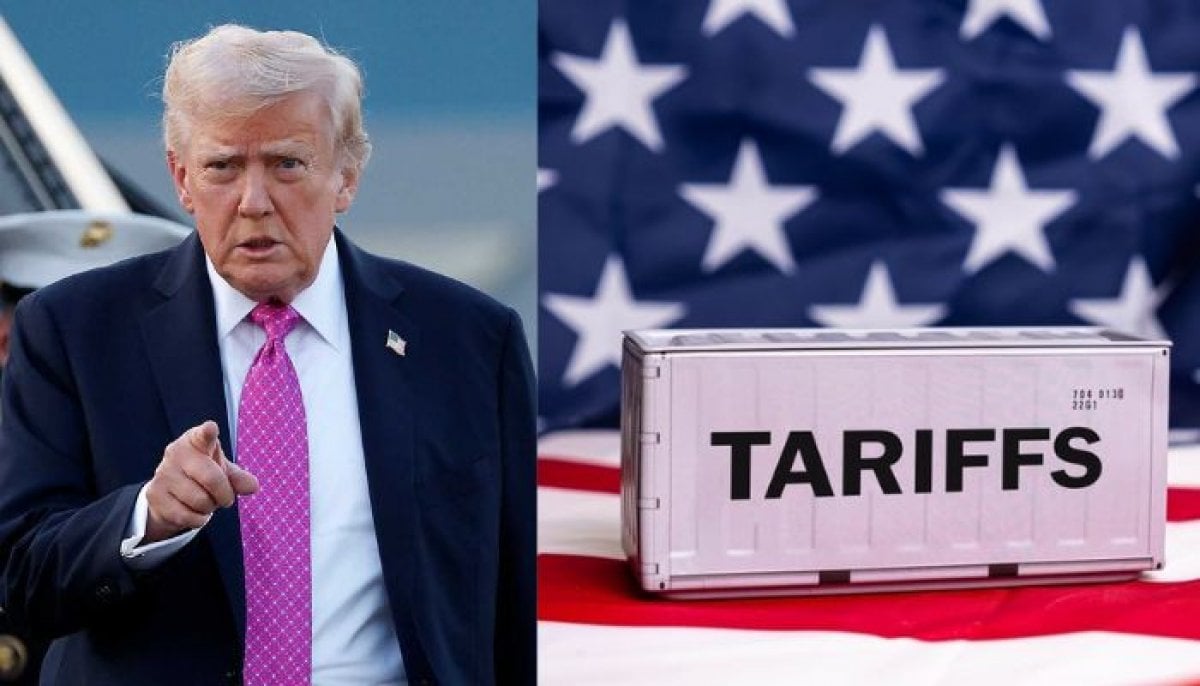 Trump threatens 100% Tariff on nations imposing digital services taxes
 -
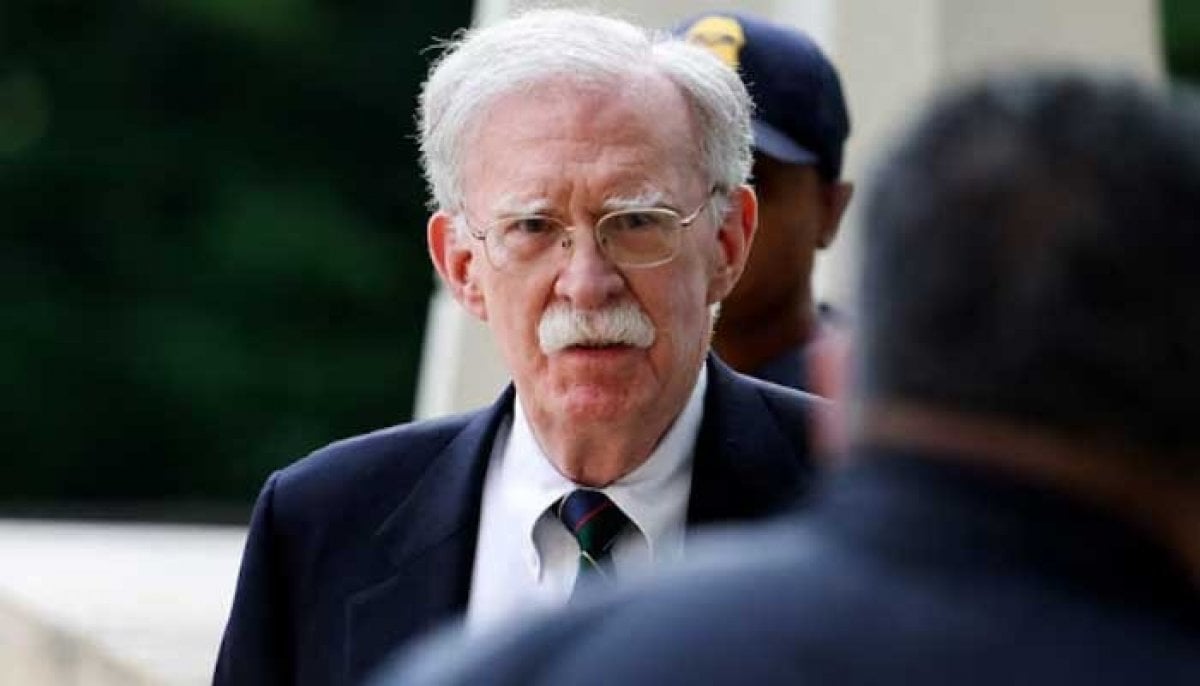 John Bolton pleads guilty, to be sentenced in October
 -
 South Korea ex-First Lady Kim Keon Hee jailed for 7 years in bribery scandal
 -
 UK hits 36.9°C: June temperature record broken for third straight day
 -
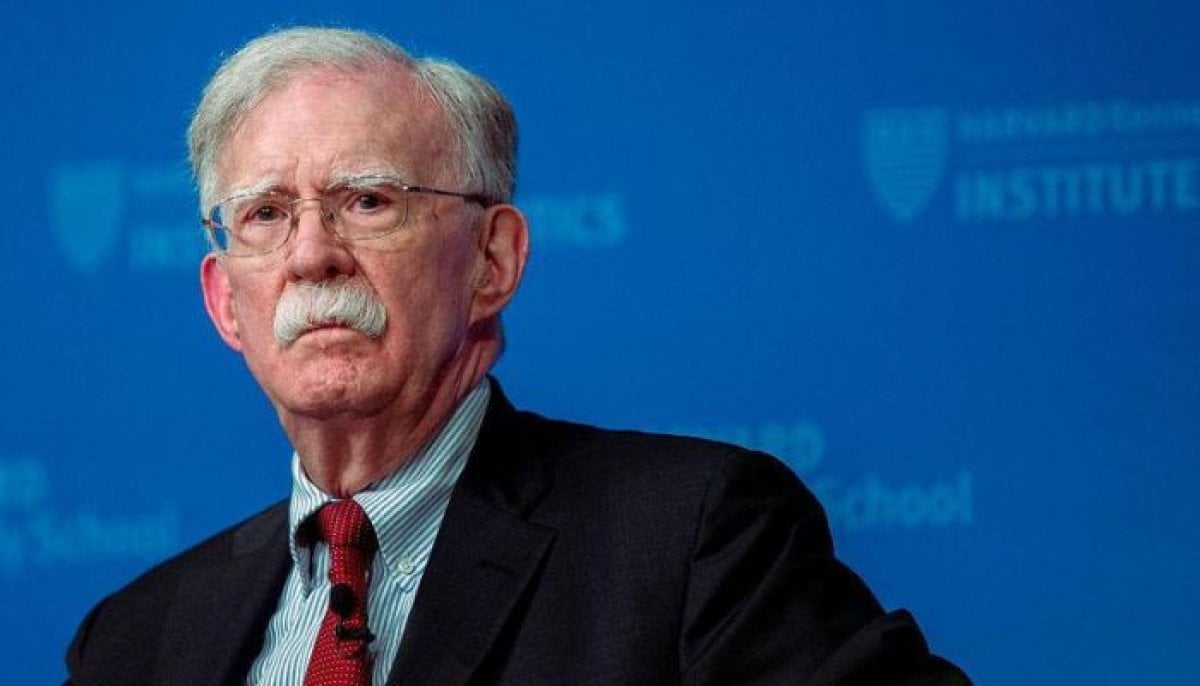 Trump’s former advisor John Bolton expected to plead guilty to mishandling classified information
 -
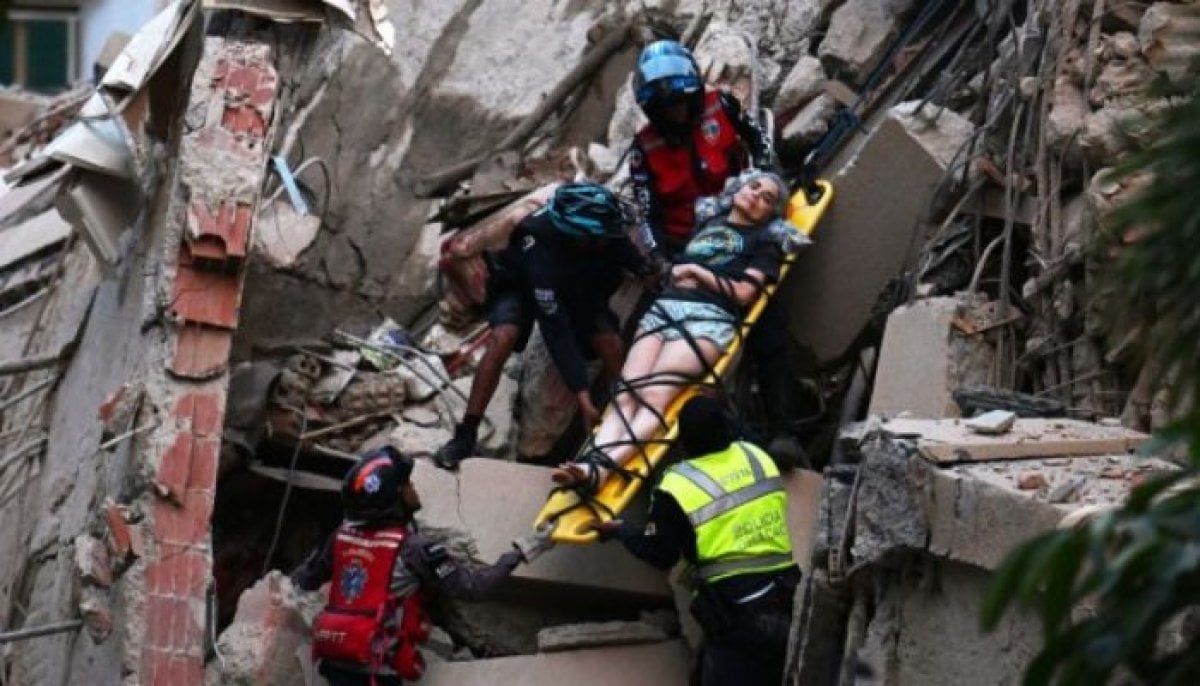 Venezuela death toll hits 590; Global aid mobilizes for earthquake survivors
 -
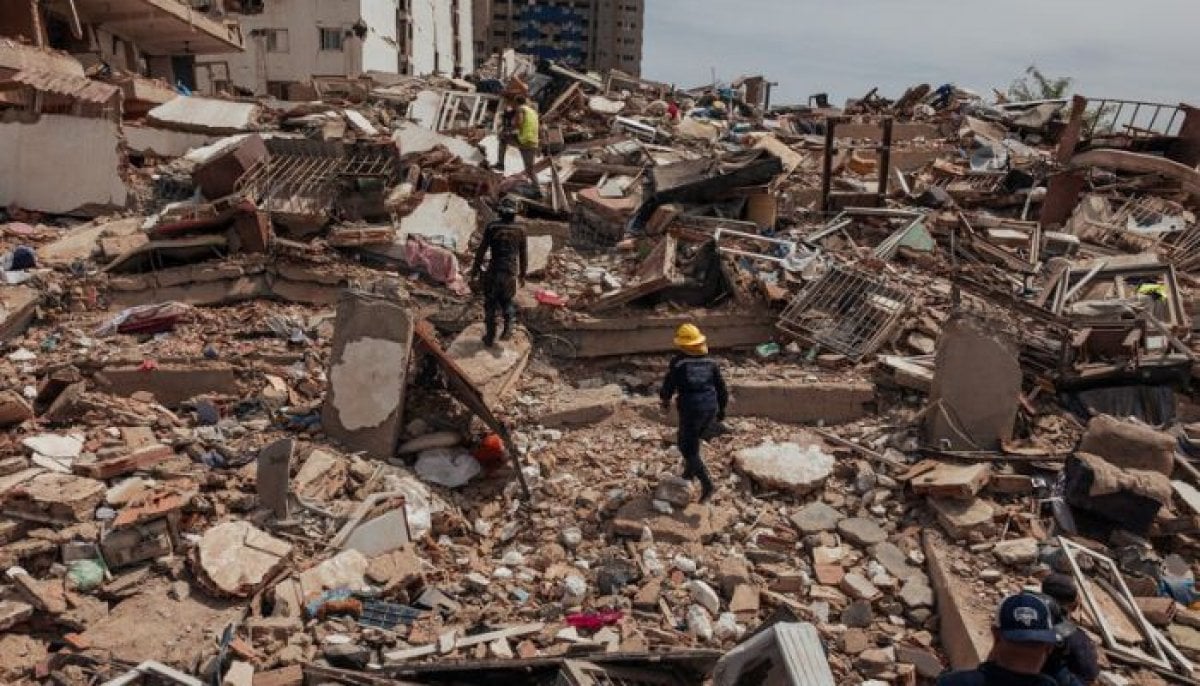 Venezuela's 'doublet' earthquake: Why two quakes in 39 seconds explained
 -
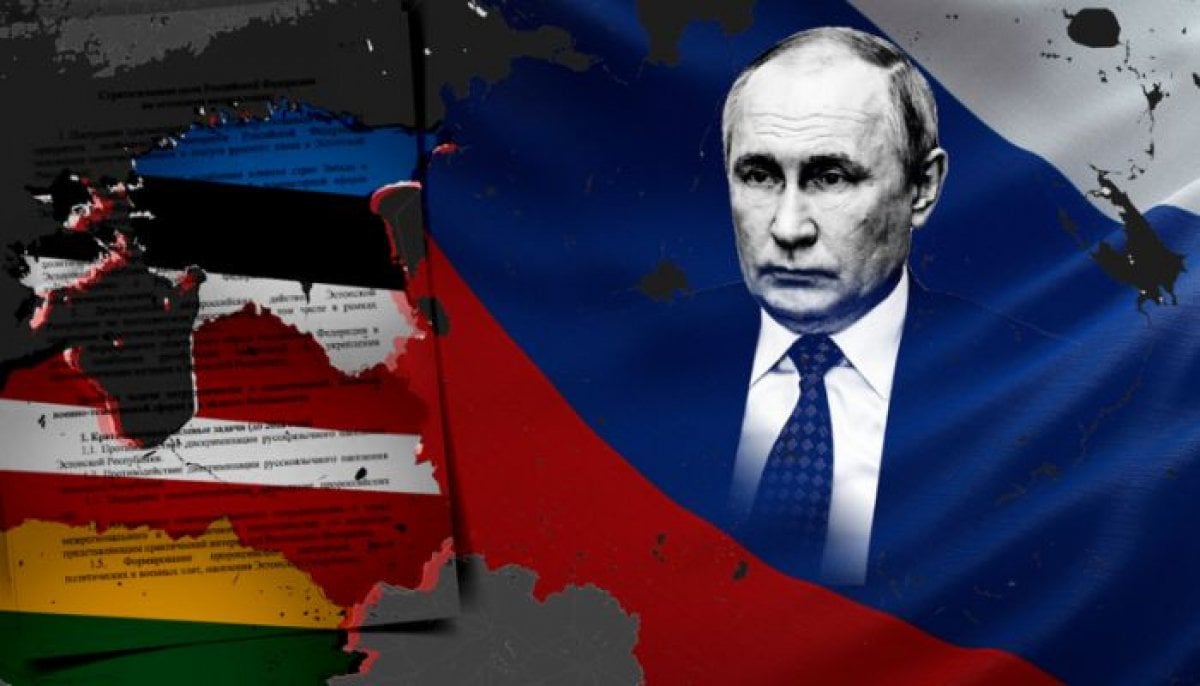 Russia’s next move? Sources fear possible ‘provocation’ in Baltic states or Poland