Six lifestyle habits that could heighten dementia risk, unveiled by psychiatrist
Age, genetics, and health history contribute to dementia risk, but lifestyle also plays significant role
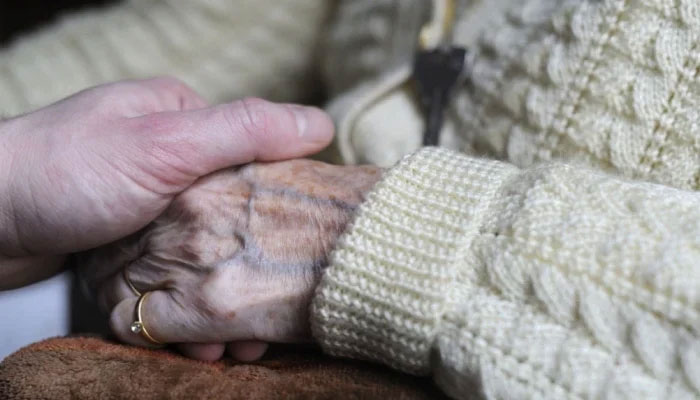
Dementia, a condition affecting memory, language, and cognitive abilities, particularly in those aged 65 and older, raises concerns about additional care needs.
According to Buzzfeed, while factors like age, genetics, and health history contribute to dementia risk, lifestyle habits play a significant role. Blair Steel, a psychologist at Carrara Treatment, Wellness & Spa, breaks down common behaviours that may unwittingly increase the risk of dementia as individuals age.
1. Sedentary lifestyle
Insufficient physical activity and prolonged sitting can contribute to cognitive impairment. Regular aerobic exercise proves beneficial, positively impacting brain health and overall well-being.
2. Limited social interaction
Social health is crucial in dementia prevention, with an active and socially integrated lifestyle acting as a protective factor. Socialising in person is emphasised over online interactions, as it stimulates the brain's connection experience.
3. Inadequate sleep
Sleep disturbances and dementia are interconnected, and poor sleep patterns may contribute to increased dementia risk. Prioritising good sleep hygiene, including avoiding screens before bedtime, can mitigate this risk.
4. Chronic stress
Chronic stress, linked to elevated cortisol levels, can lead to cognitive decline. Managing stress through healthy habits like exercise, creative activities, and flexibility in reactions can mitigate the negative impact.
5. Excessive alcohol consumption
Alcohol-related brain damage (ARBD) is a specific type of dementia associated with prolonged and excessive alcohol consumption. Issues with memory, problem-solving, and daily tasks may arise in individuals with ARBD.
6. Unbalanced diet
Research indicates that a diet high in ultra-processed foods increases dementia risk. Emphasising a balanced diet with leafy greens, berries, whole grains, and healthy fats while limiting red meat and processed foods supports brain health.
Blair Steel recommends altering these habits to lower dementia risk but emphasises seeking medical advice if signs of dementia arise. A comprehensive assessment by a doctor can guide individuals toward appropriate measures and potential specialist referrals.


-
 Everything to know about US FDA’s new guidance on apps used with prescription drugs
 -
 ‘Immortal’ jellyfish could hold clues to slowing human ageing
 -
 Ebola crisis worsens in DR Congo as virus reaches eighth province with over 4,500 dead
 -
 Study finds eating blueberries every day can surprisingly boost your mood
 -
 Eli Lilly’s Foundayo weight-loss pill gets European approval recommendation
 -
 What is BPC-157? Trump administration considers easing rules on popular peptide injections
 -
 West Nile virus: Europe reports 141 deaths as human cases rise in 2026
 -
 Health Canada reviewing new mRNA flu vaccine that could prevent more hospitalisations