Star Wars' aliens-like creatures discovered in Tanzanian jungle — New species
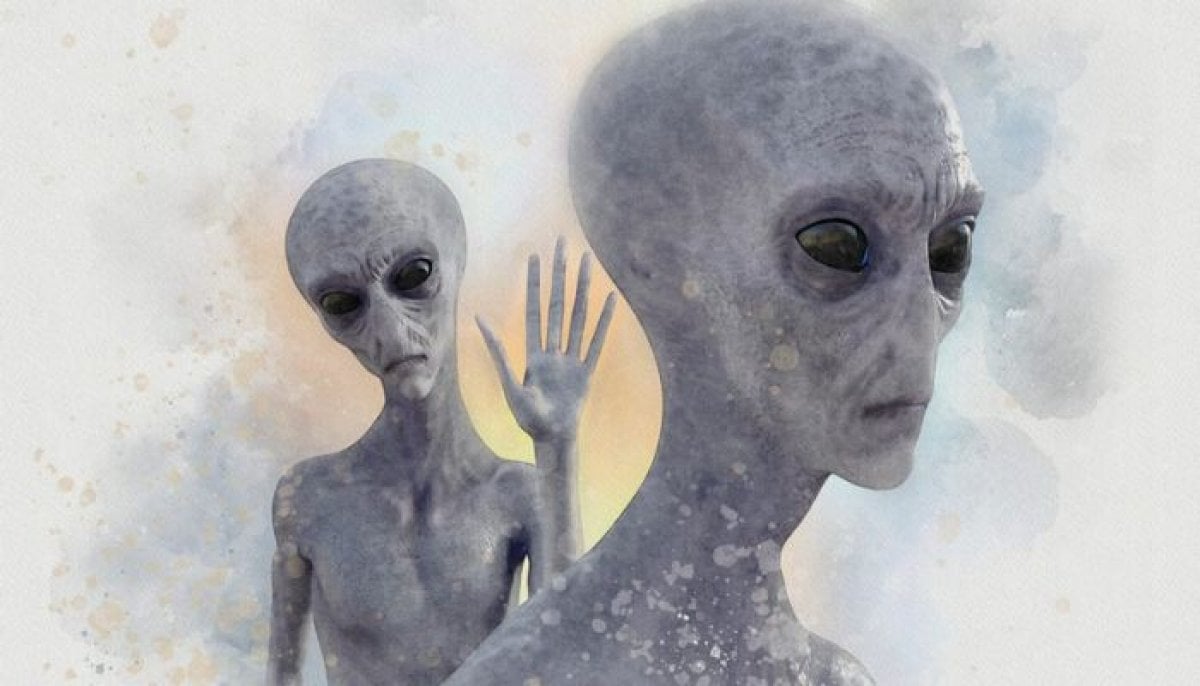
Professor Andy Marshall of USC reported that his team discovered millipedes, whose heads resembled characters from Star Wars
Five new species and a new genus of millipedes have been found by scientists in Tanzania's isolated jungles in southeast Africa.
According to the University of the Sunshine Coast in Australia, scientists found the millipedes in Tanzania's Udzungwa Mountains while investigating the growth of trees and vines.
Professor Andy Marshall of USC reported that his team discovered the millipedes, whose heads resembled characters from Star Wars, among the loose dirt and forest debris.
“We record millipedes of all sizes during our fieldwork to measure forest recovery because they are great indicators of forest health, but we didn’t realise the significance of these species until the myriapodologists had assessed our specimens,” Marshall said.
He mentioned that each of the recently found millipedes had roughly 200 legs and were only a few centimetres in length, according to the New York Post.
The largest millipedes seen in Africa had a maximum length of 35 centimetres or about 14 inches. The largest millipede species in North America is approximately half as long, measuring 15 centimetres, or 6 inches, according to the Missouri Department of Conservation.
The discovery of the new millipede genus and species, according to Marshall, shows how much more there is to learn about tropical forests.
The five new species are Attemsostreptus leptoptilos, Attemsostreptus julostriatus, Attemsostreptus magombera, Attemsostreptus leptoptilos, and Udzungwastreptus marianae, according to the USC. The new millipede genus is named Udzungwastreptus.
The University of Copenhagen at Denmark's Natural History Museum has received the millipede specimens.


-
 Why China is crashing a spacecraft into asteroid 2015 XF261
 -
 Australia's Great Barrier Reef at extreme risk of ‘ecosystem collapse’, scientists warn
 -
 James Webb Space Telescope reveals how black holes feed themselves
 -
 Japan’s upper-close asteroid flyby: Why scientists said it was too dangerous
 -
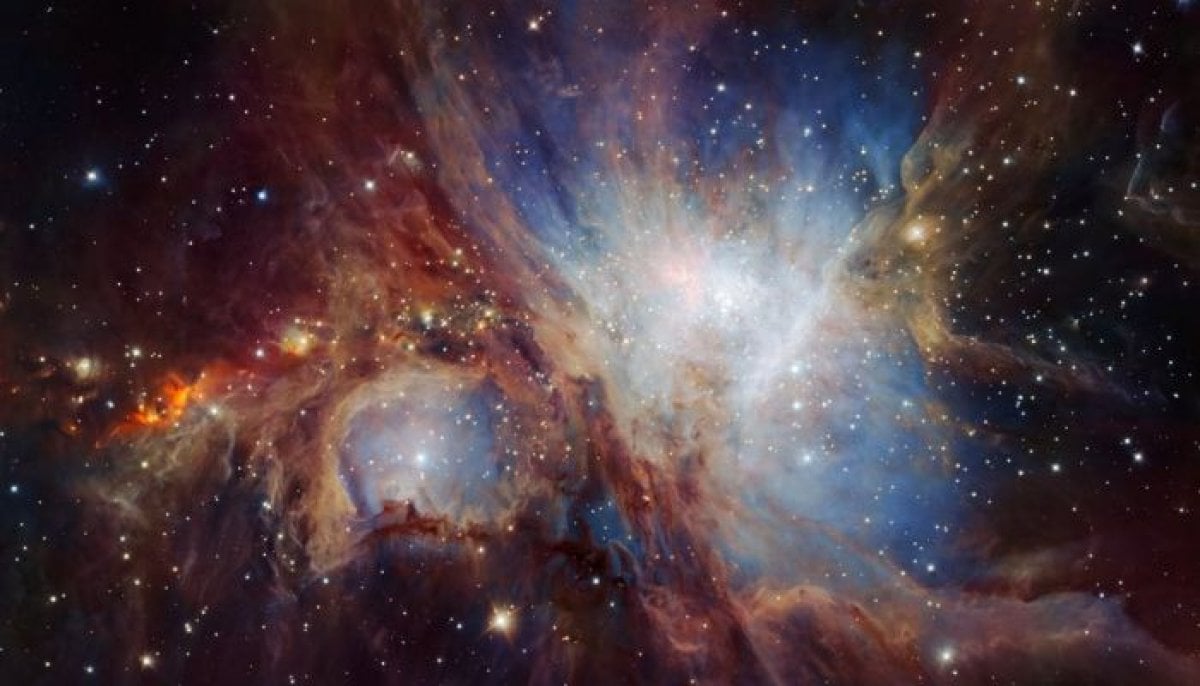 Scientists find hidden structure inside Orion Nebula
 -
 China launches first of 1,000 space-computing satellites
 -
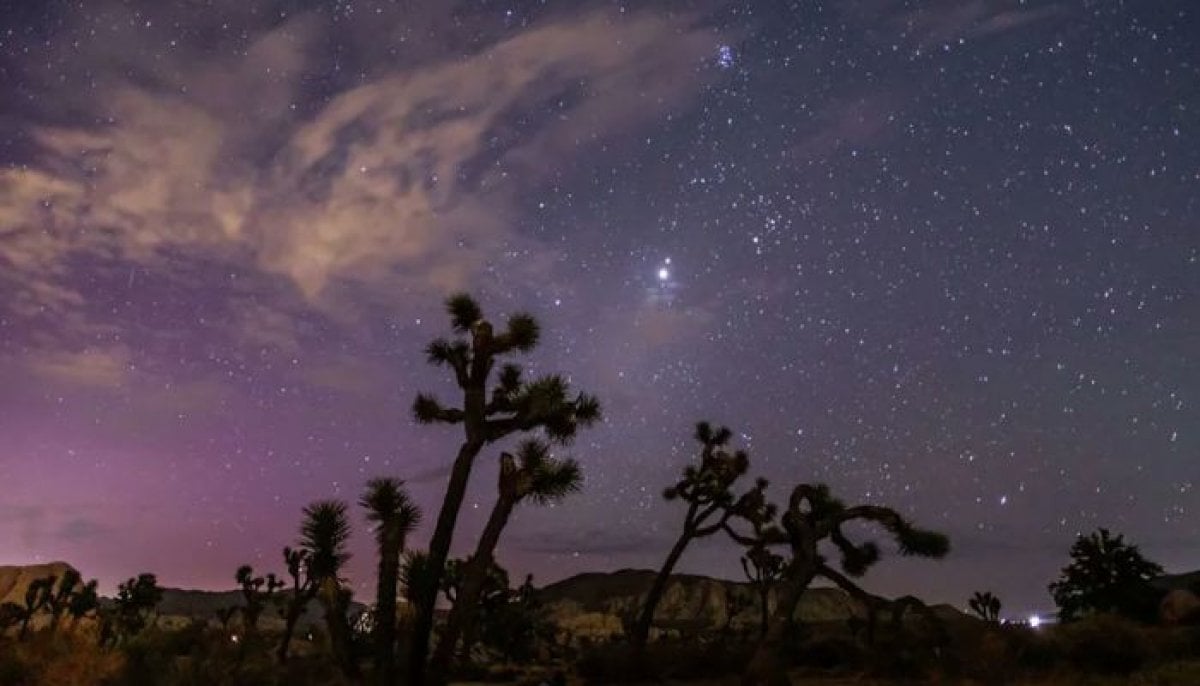 Perseid meteor shower 2026: Here is everything to know about peak dates and best viewing times
 -
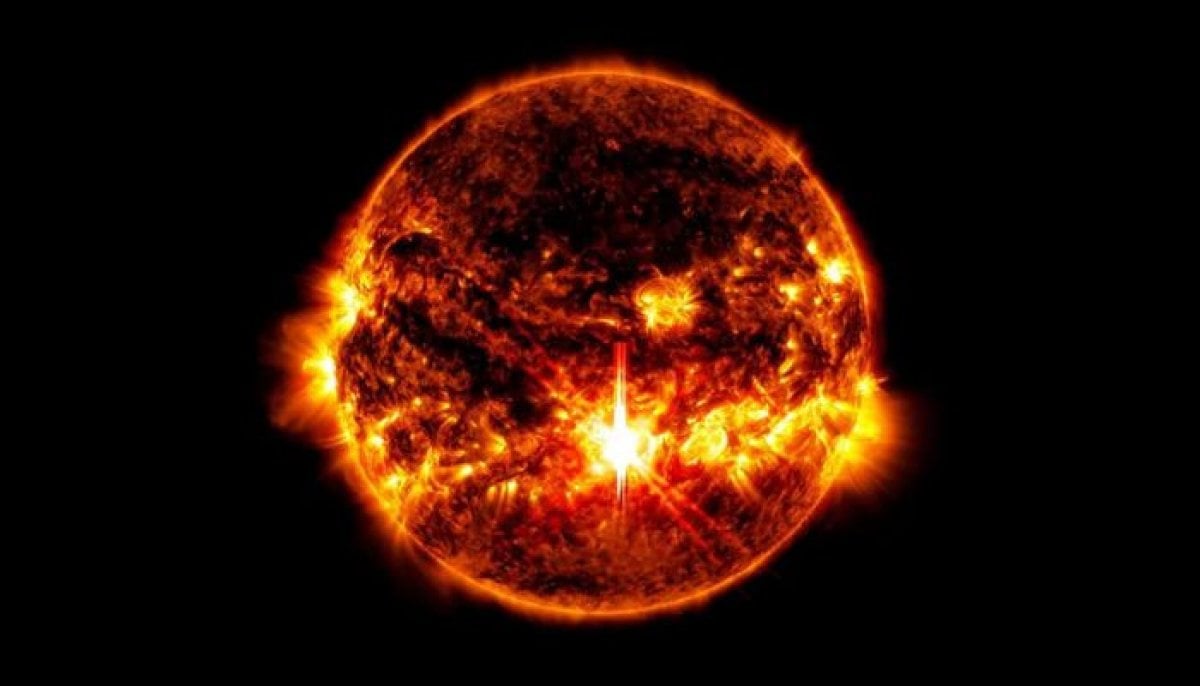 Solar storm risks may be worse than previously thought, study finds
-
 Actor James Franco claims mysterious video shows alien outside his home
 -
Rare New Jersey meteorite reveals 'alien world chemistry', study finds
-
Astronomers find universe's faintest planet after 11 years of hide-and-seek
-
Scientists discover new ‘unusual-looking’ monkey species hidden in DR Congo forest