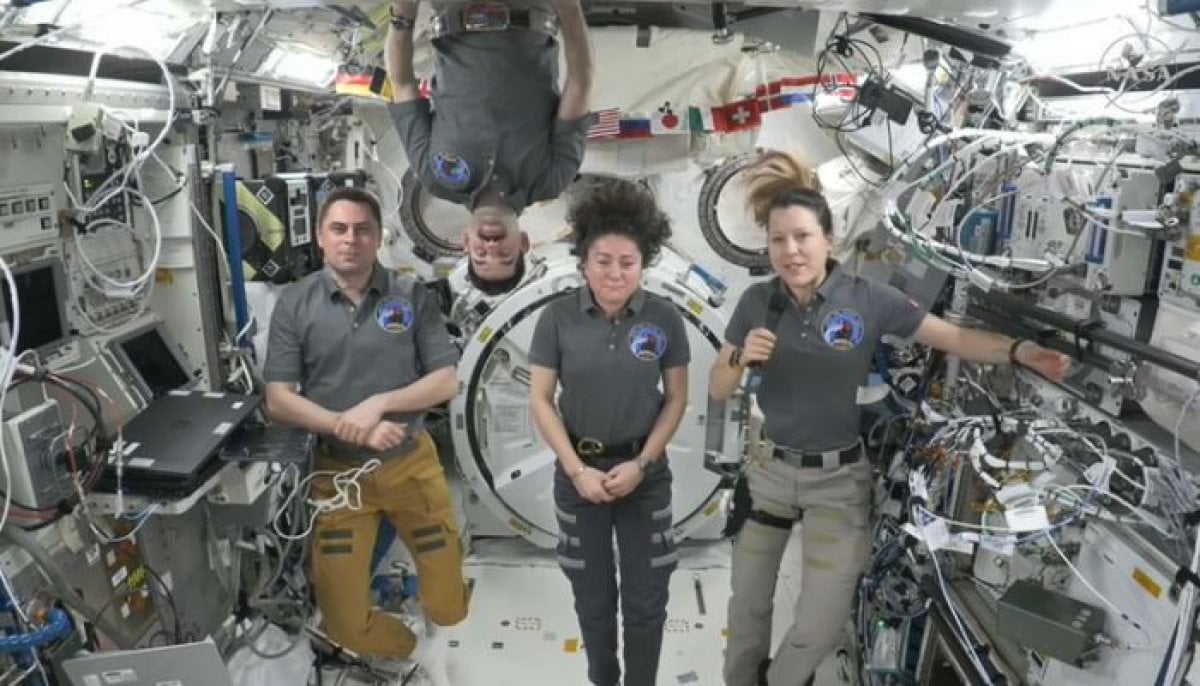
WhatsApp to release custom sticker maker for iPhone users
WhatsApp introduces drawing over stickers feature through this new update on iPhones

WhatsApp is releasing a personalised sticker maker for customers with iOS 17 or higher on their Apple iPhones.
Although the app already allows you to create stickers by simply dragging and dropping images from your library, the new feature goes one step further by enabling you to draw over them, add text, or apply another sticker.
Open the sticker tray in the app, select Create Sticker, then select a picture from your gallery to create a sticker from an already-existing image.
After that, you may choose a cutout, add text, and draw on your sticker to make it uniquely yours. By accessing the sticker tray, long-pressing on the sticker you wish to alter, and selecting "alter Sticker", you can also edit any previously created stickers.
Although there is already a tool for creating stickers on WhatsApp for the web, it is far more convenient to customise them directly on the mobile app.
The only drawback is that if your device is running an iOS version older than 17, you can only modify stickers, not create new ones.
For now, Android users can only view and interact with personalised stickers, but at least they may experiment with creating AI-generated stickers.


-
 SpaceX Falcon 9 launches 21 military satellites into orbit
 -
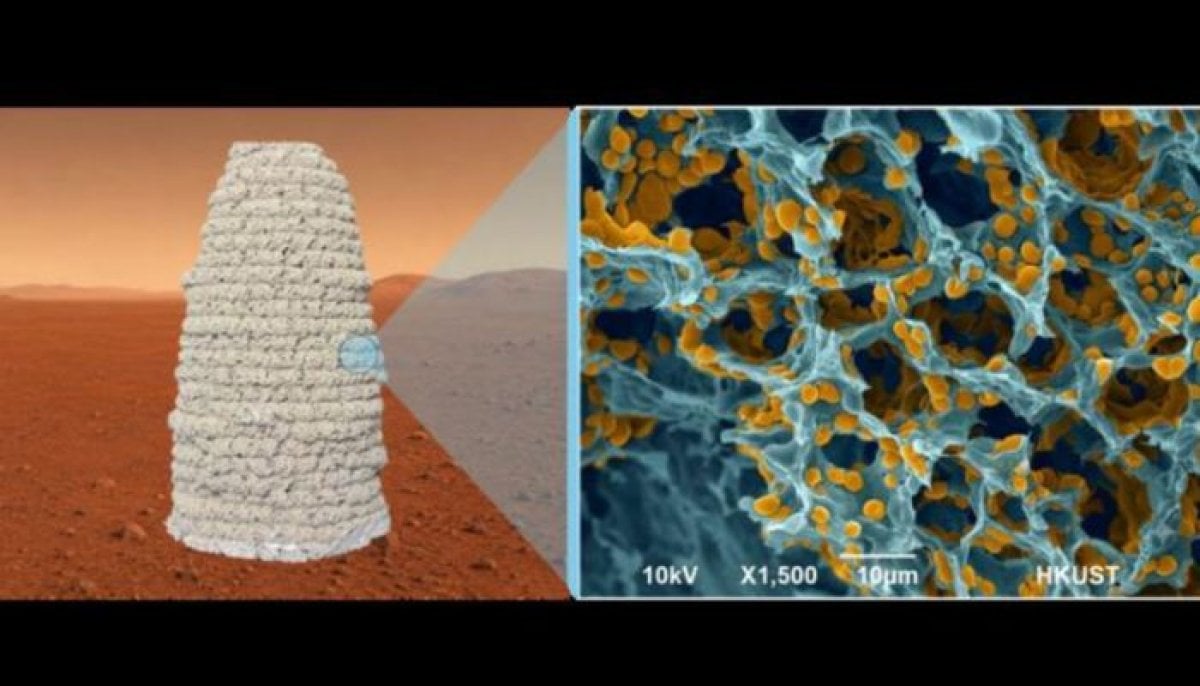 Could a newly engineered microbe help humanity survive on Mars?
 -
 Astronomers find most distant fast radio burst ever recorded
 -
 Draconid meteor shower tonight: Best time and places to see it
 -
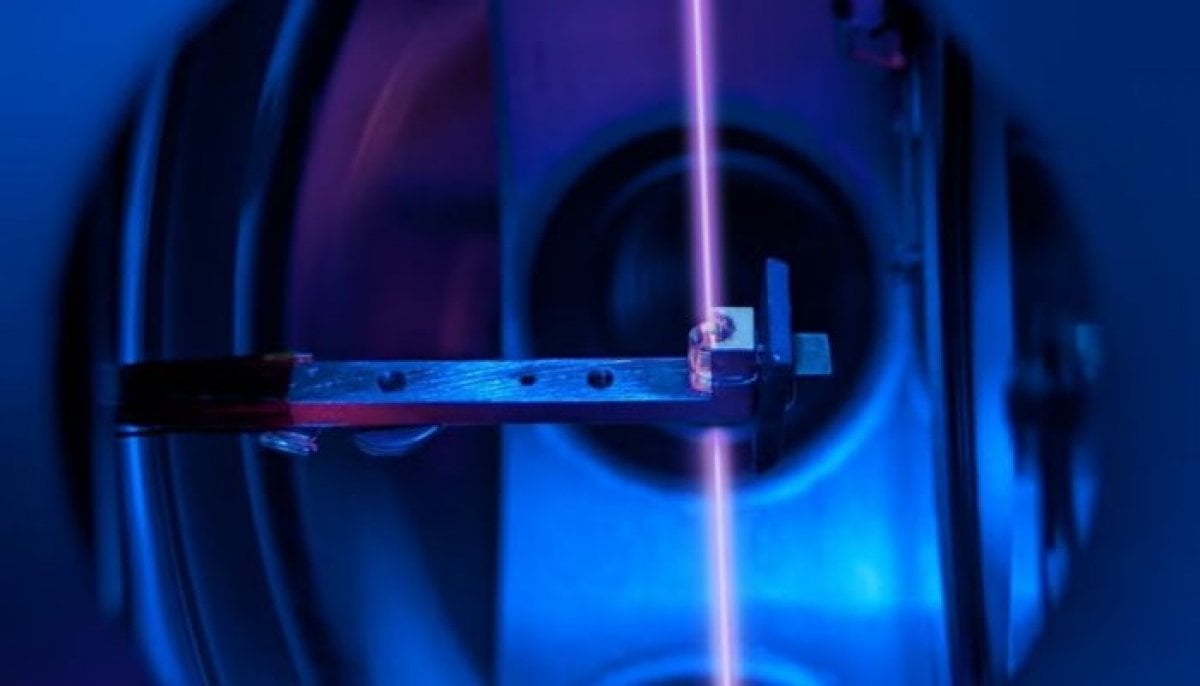 ‘A dream for 50 years’: Why world’s first nuclear clock could change timekeeping
 -
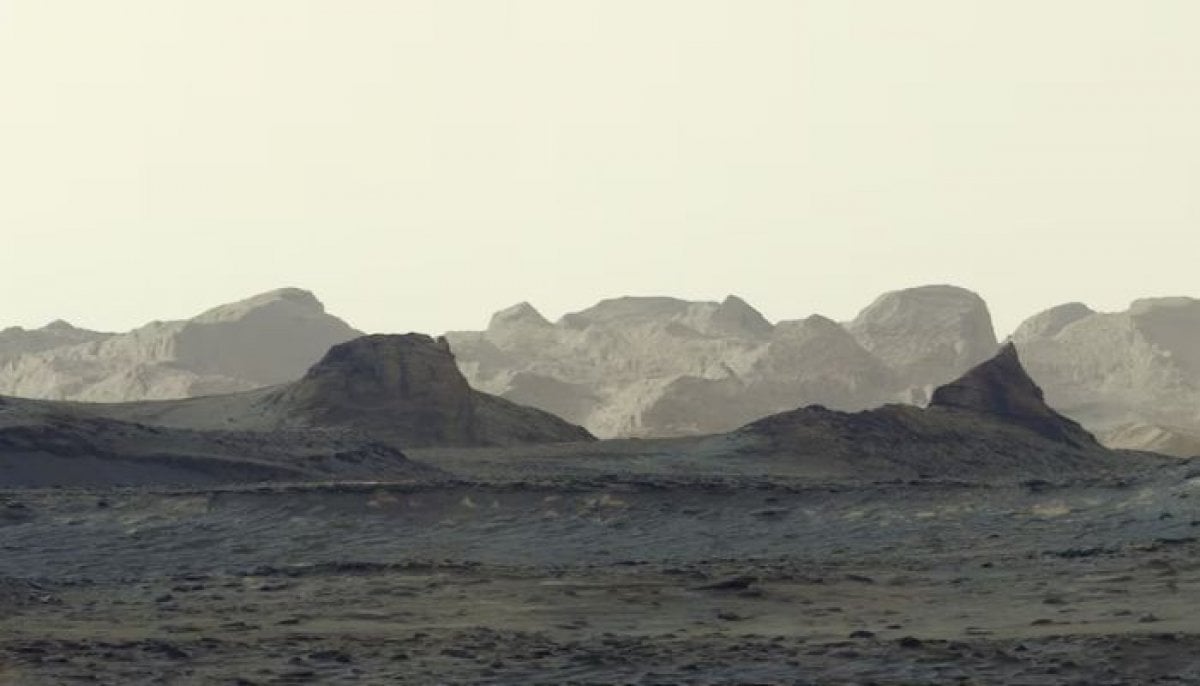 NASA Curiosity captures strange ‘wind-carved’ Mars landscape in dawn image
 -
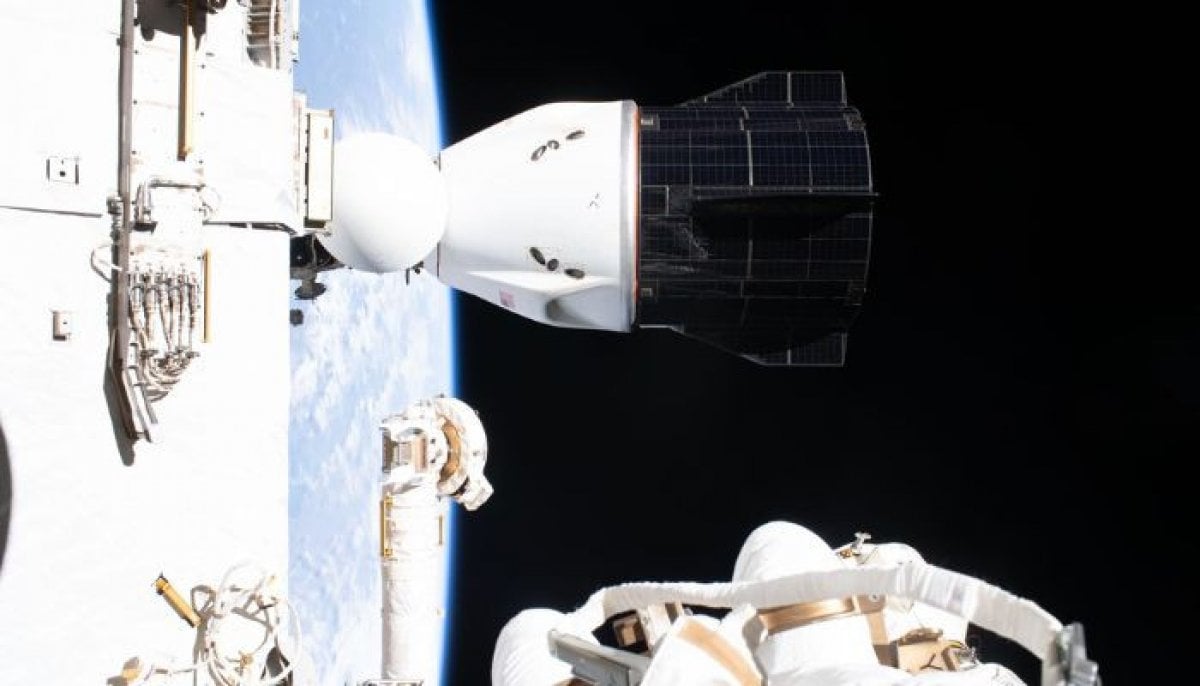 NASA's Crew-12 Dragon begins return trip from space station
 -
 Mysterious ‘phoenix planet’ found around the remains of a dying star