North Sea Oil and Gas: Climate Damage will wipe out economic gains, study warns
Analysis estimates climate-related economic damage from Rosebank and Jackdaw could reach £336bn, far exceeding their projected £28.7bn economic benefits.
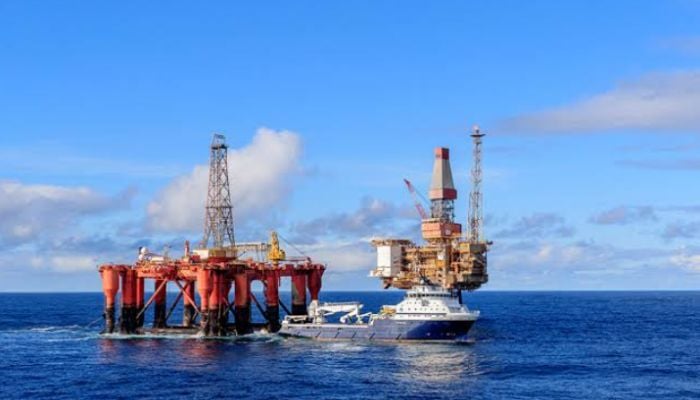
New independent research reveals that the carbon pollution and environmental degradation tied to developing contentious North Sea oil and gas reserves such as the Rosebank and Jackdaw fields—would inflict staggering economic losses that dwarf any projected national financial returns.
While fossil fuel developers estimate a £28.7bn economic value for the UK from the projects, peer-reviewed climate economic models project that carbon emissions alone will cause between £119bn and £336bn in global economic damage over the coming decades.
National Loss Threshold: Analysts note that if even a fraction (roughly 6%) of those long-term climate damages are felt domestically through extreme weather, agricultural strain, and infrastructure wear, it will completely wipe out any localized financial gain or tax revenue.
The findings land amid an intensifying political battle for Prime Minister Andy Burnham’s administration, which faces fierce pressure from Labour backbenchers and climate scientists to block the developments, contrasted against industry demands for immediate energy expansion.
Experts argue that arguments framing new North Sea drilling as a pillar of long-term energy security are increasingly flawed, emphasizing that accelerating investments into the net-zero sector yields far higher economic resilience without the compounding costs of climate harm.


-
 Study reveals why some babies are born with heart defects
 -
 Italian Senate clears PM Giorgia Meloni electoral reform bill to overhaul voting system and establish majority bonus thresholds
 -
 US Senate advances landmark crypto bill to set new digital asset boundaries
 -
 UK State pension likely to rise by £488 a year in April
-
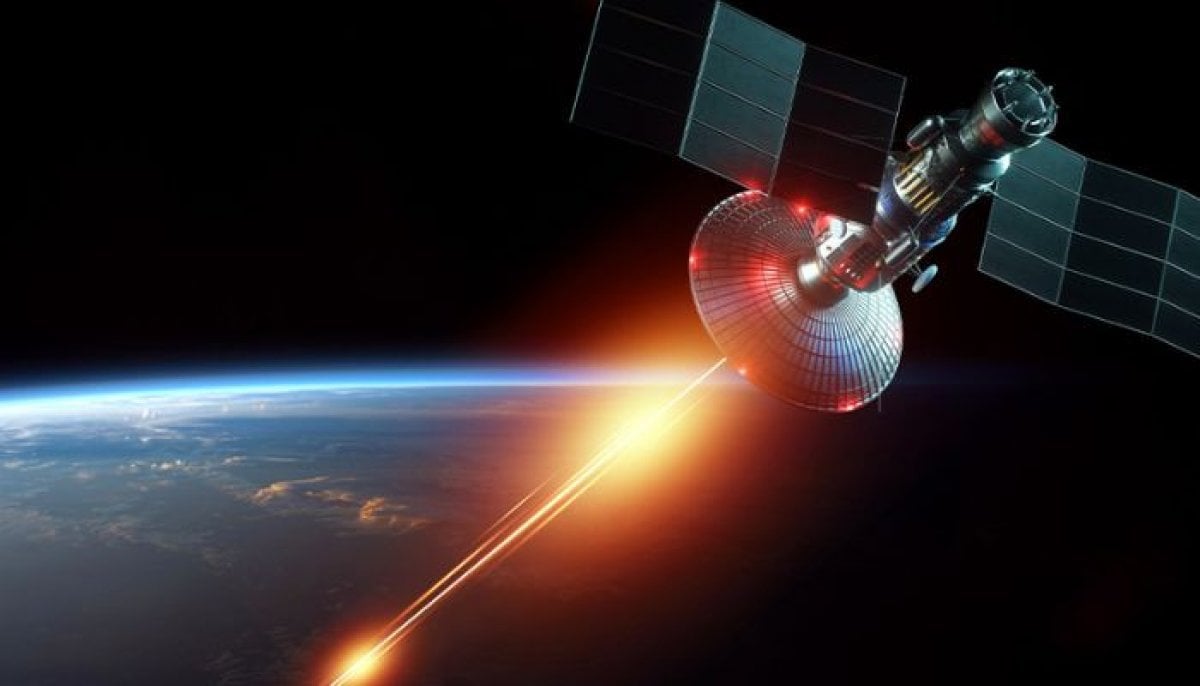 US finally confirms weapons in orbit: What it means for space warfare
 -
 How China's FAST telescope is mapping the cosmic gas behind star birth
 -
 Did Sun eat super-Earth? New study says maybe
 -
 Did Sun swallow a super-Earth? Scientists search for its ‘fingerprints’
 -
 Blue Origin sets sights on Mars with new NASA network
 -
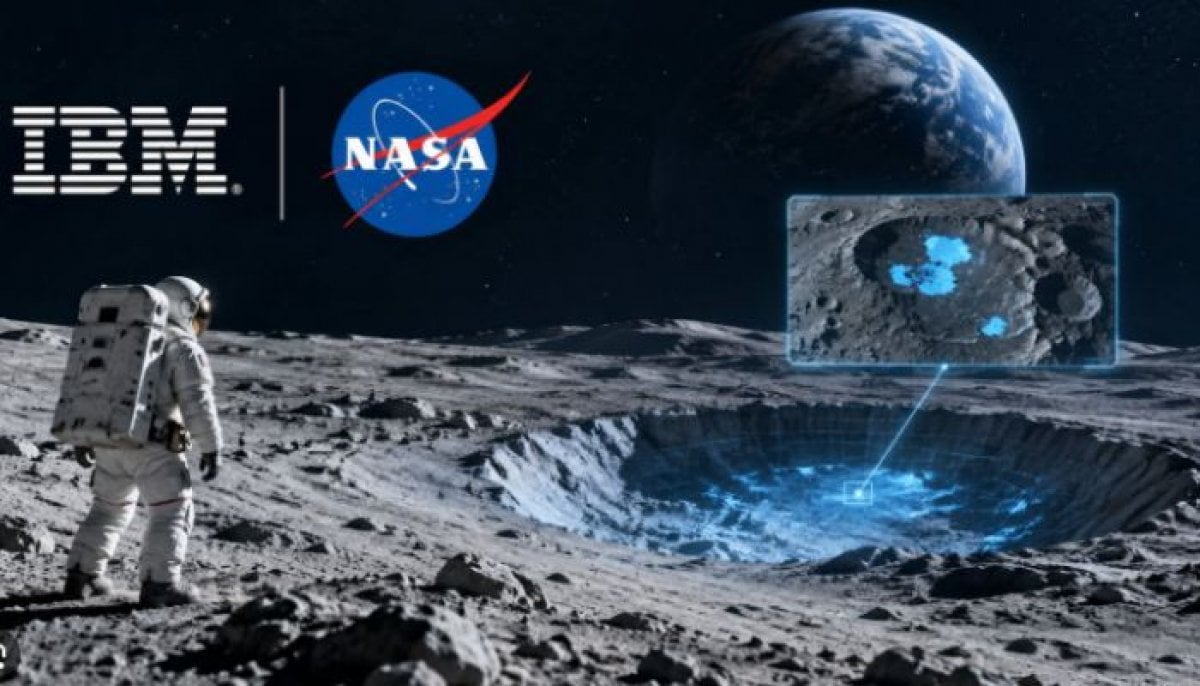 NASA, IBM launch open-source lunar foundation AI model to help map ice, craters on moon
 -
 Bacteria can remember without brain, new study finds
 -
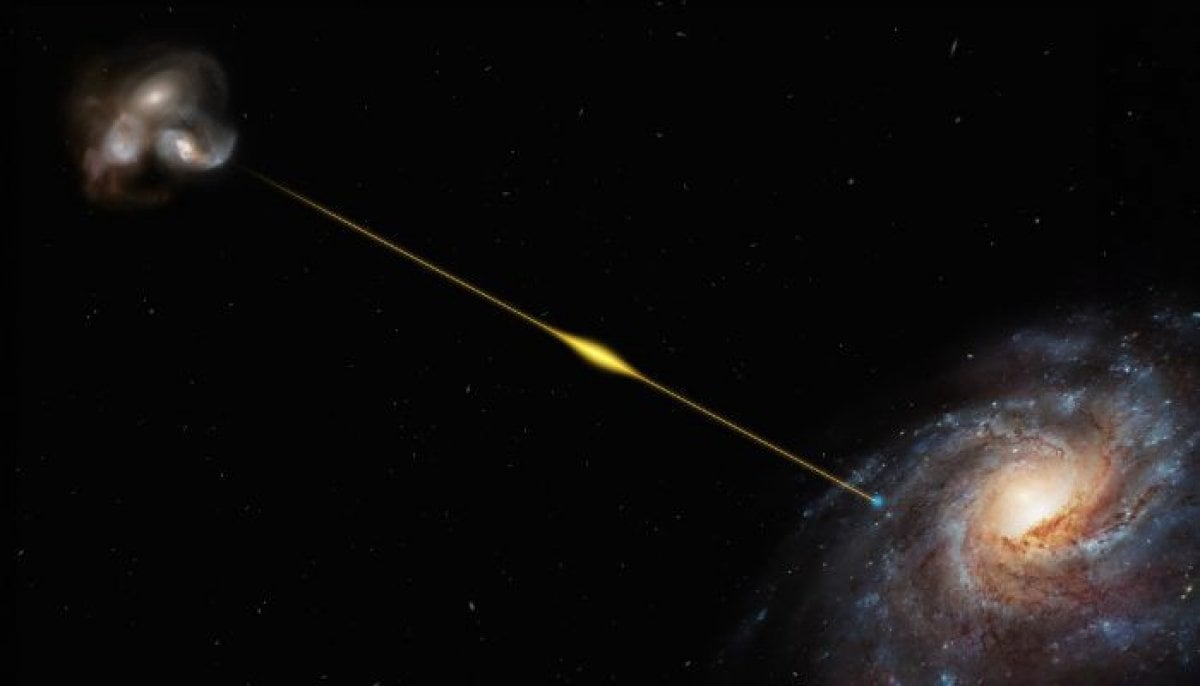 Fast radio bursts may unlock secrets of dark matter, energy and neutrinos