NASA, IBM launch open-source lunar foundation AI model to help map ice, craters on moon
IBM and NASA release an open-source lunar AI foundation model to map craters, analyze volcanic features, and identify potential ice deposits
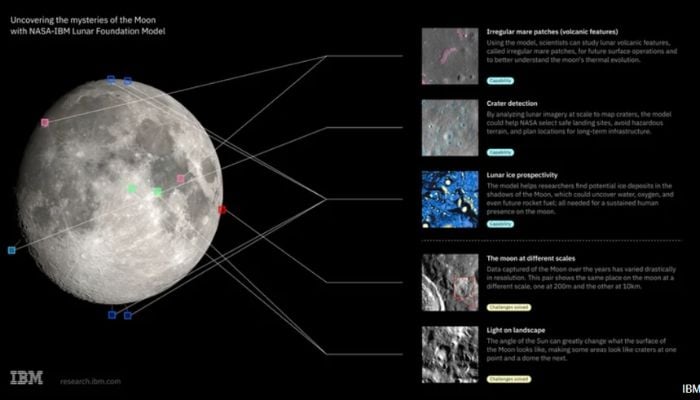
In recent space technology innovation, IBM and NASA have officially released open-source AI model designed to help scientists analyze decades of lunar observation data and support plans for a sustained human presence on the Moon.
As reported by Reuters, the open-source NASA-IBM Lunar Foundation Model, a geospatial artificial intelligence (AI) tool is designed to accelerate surface mapping and support the Artemis program.
Core Capabilities:
Trained on decades of multi-instrument data from missions like the Lunar Reconnaissance Orbiter and GRAIL, the model is specifically optimized to analyze complex lunar typography, map meter-scale craters for safe landing site selection, and identify potential subsurface water-ice deposits in permanently shadowed polar regions.
The architecture demonstrates a significant performance leap over standard vision models, outperforming baselines like SwinV2-B by up to 23% in identifying micro-topographical surface features while drastically lowering training overhead.
Built as an open-source resource on Hugging Face, the model aims to democratize access to high-precision celestial data for researchers and commercial aerospace firms alike.
Strategic Value:
By automating the detection of critical lunar assets, particularly water-ice, which can be processed into drinking water, breathable oxygen, and rocket propellant—the foundation model provides essential infrastructure planning data for establishing a sustained human presence on the Moon.
Lunar ice is of particular interest to space agencies because it indicates the presence of water and oxygen, resources considered essential for a future Moon base and for producing rocket fuel for missions to Mars.
As reported, the NASA-IBM Lunar Foundation Model is a publicly available AI tool designed to study the Moon. It was trained on more than 30 layers of data collected by nine instruments on four NASA missions, including the Lunar Reconnaissance Orbiter.


-
 Europe launched 8 orbital rockets last year, can it rival Starlink?
 -
 Japan launches world’s first mission to bring sample back from phobos
 -
 Orionid meteor shower 2026: Peak date, viewing tips and what to expect
 -
 Why Mars looks blue in NASA’s unedited curiosity panorama?
 -
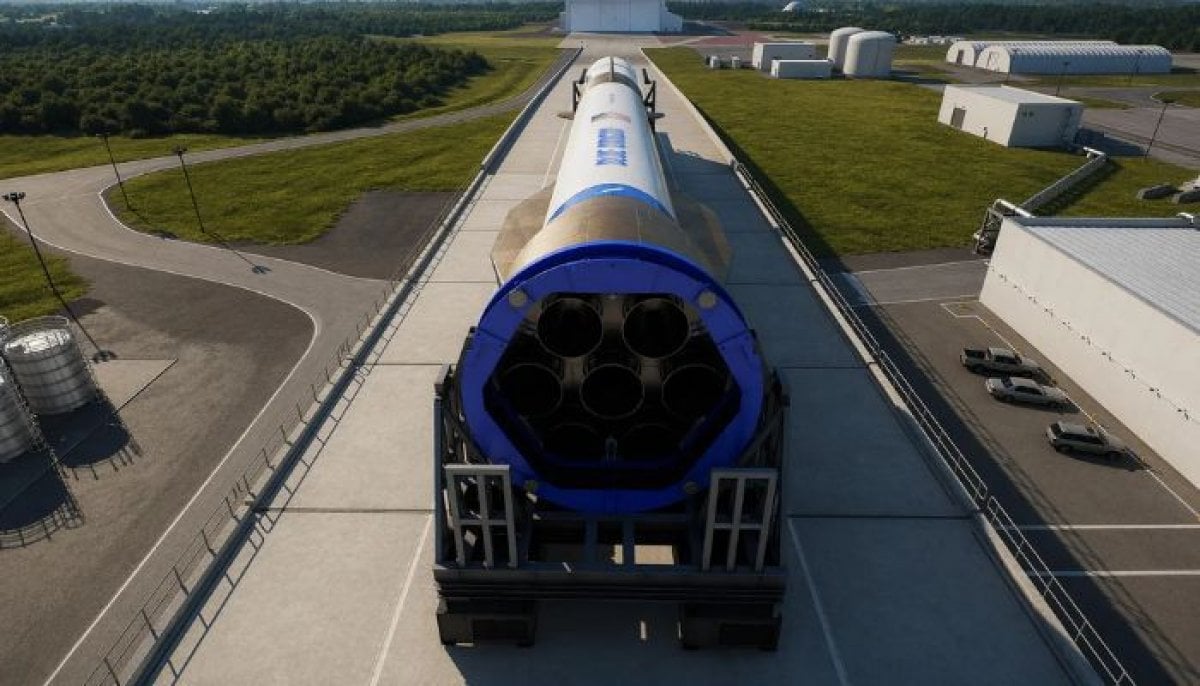 Blue Origin upgrades new Glenn rocket launch infrastructure to take on SpaceX
 -
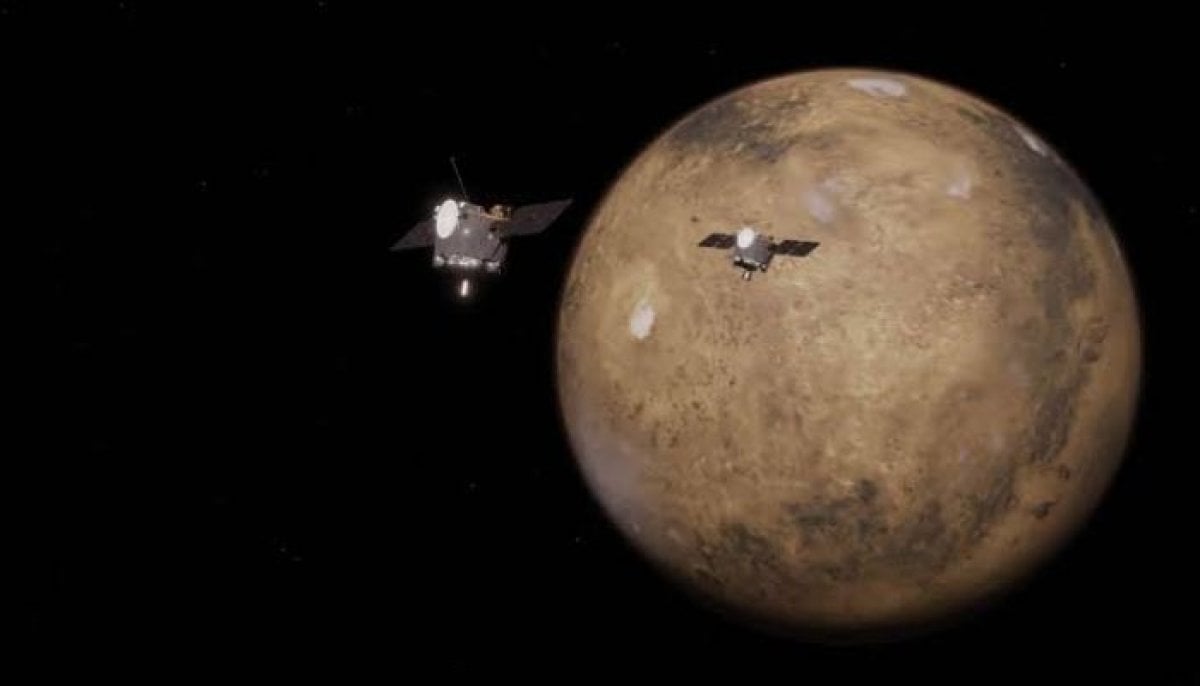 NASA’s next Mars mission targets Phobos and Deimos, not Red Planet
 -
 Is AI ready to rewrite our understanding of physics?
 -
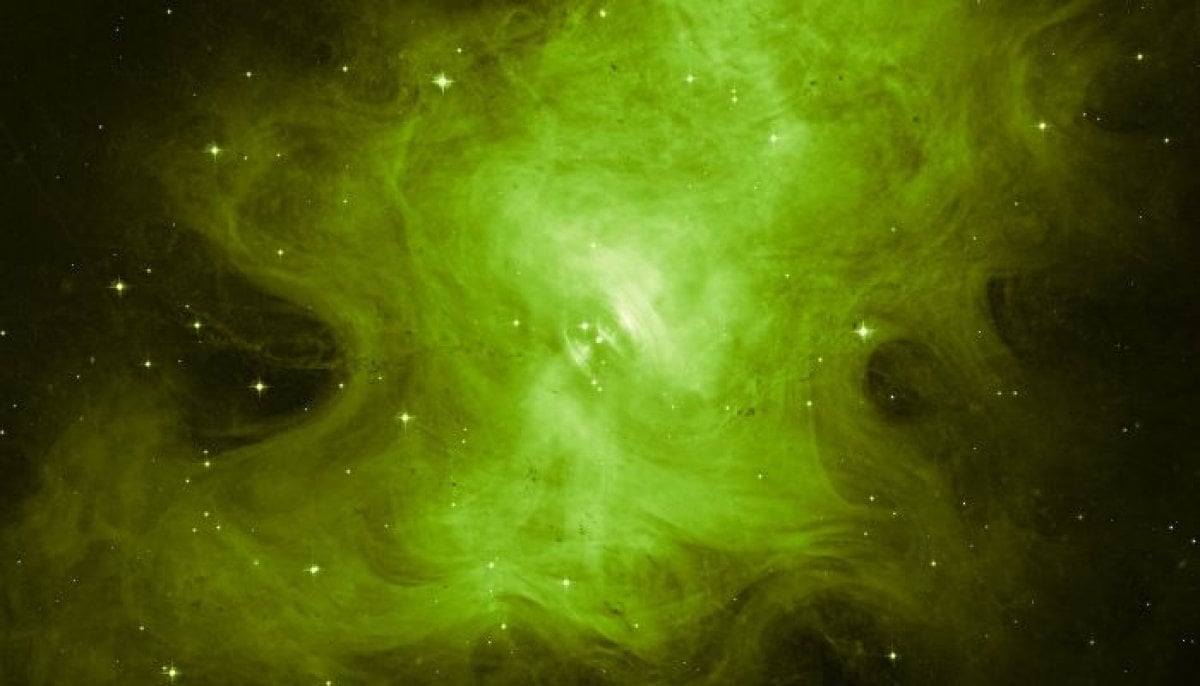 Astronomers identify possible first green star in 27 years of research