How China's FAST telescope is mapping the cosmic gas behind star birth
China’s FAST telescope delivers the biggest neutral hydrogen galaxy catalog to date

China’s FAST telescope has created a detailed map of neutral hydrogen beyond the Milky Way replacing a long standing US survey as the primary reference for this cosmic gas which plays an important role in the formation of stars and galaxies.
The FAST all-sky H1 survey primarily conducted the 500-meter radio dish in southwest China’s Guizhou province, releasing its second batch of data this week.
According to a study published in the journal Science China Physics and Astronomy this month, this work creates a foundational data asset that unifies the siloed system ahead of the coming square kilometer array-a massive international radio telescope currently being built in Australia and South Africa.
One of FAST’s prime targets is neutral hydrogen, the simplest form of the universe’s most abundant element for making stars. Its atoms emit a repetitive signal that can 21cm that can penetrate through cosmic dust uncovering immense gas fields.
According to the National Astronomical Observatories, global interest in the first FASHI release grew rapidly, earning more than 100 times since 2024. The full second release is now open to researchers globally enabling secondary data analysis. Furthermore, it sets the benchmark for future radio surveys including those planned with the Square Kilometer array making cosmic phenomena far less difficult to obscure.


-
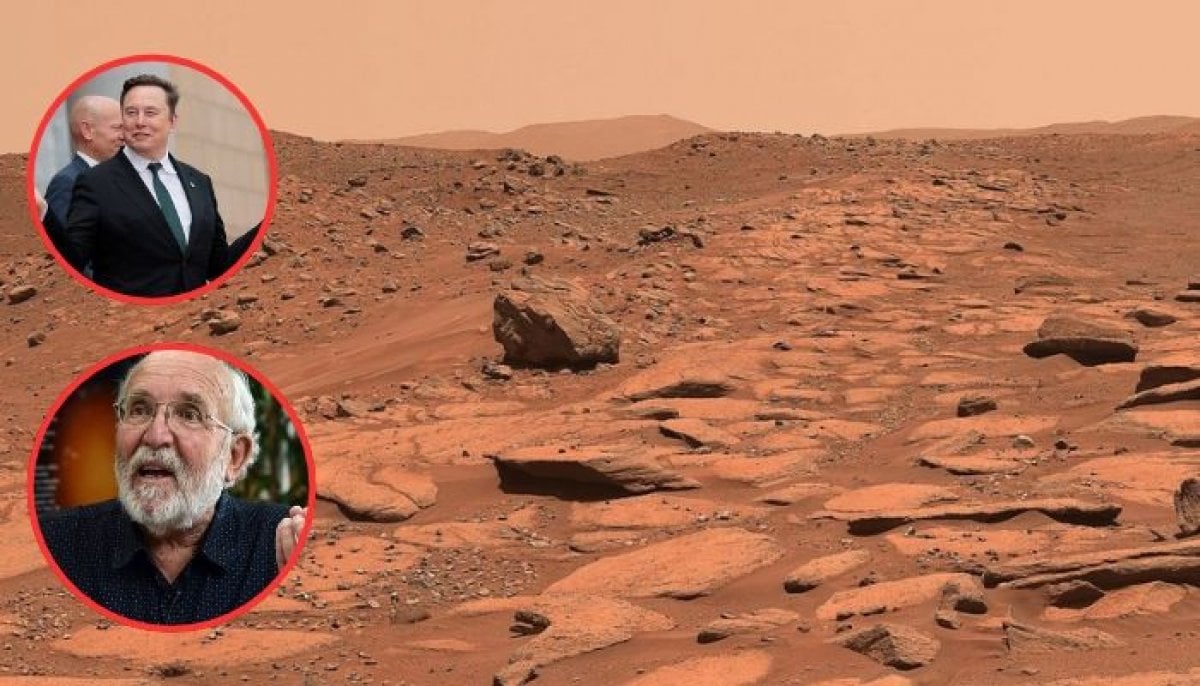 Elon Musk’s Mars colonization dream faces reality check from Nobel laureate
 -
 NASA competition model 2.0 cuts mission selection by 45%
 -
 A ‘neglected’ neutrino may hold the key to why the Universe exists
 -
 Can cancer drugs be made in space? Here’s what the new mission aims to find out
 -
 SpaceX Falcon 9 successfully launches Bandwagon-5 mission with 32 payloads
 -
 Europe launched 8 orbital rockets last year, can it rival Starlink?
 -
 Japan launches world’s first mission to bring sample back from phobos
 -
 Orionid meteor shower 2026: Peak date, viewing tips and what to expect