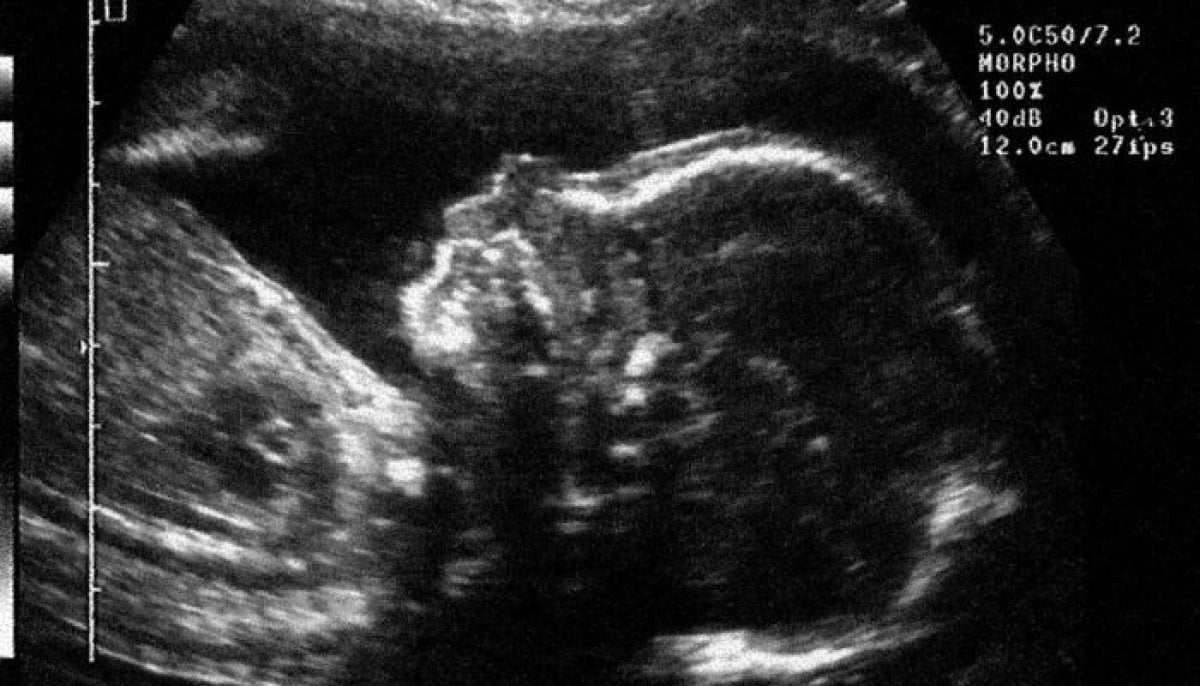
Manchester lab makes volunteers breathe polluted air to test effects on brain
Effects of air quality on heart, lungs are widely recognised but brain has received less research attention

Volunteers in a Manchester lab are breathing in lungfuls of contaminated air while wearing masks to test its impact on the brain.
They are being exposed to a variety of pollutants, such as cleaning chemicals and diesel, in an effort to learn more about the effects of pollution on the brain, reported BBC.
Blood samples and the outcomes of cognitive tests conducted both before and after exposure are being examined by scientists.
The effects of air quality on the heart and lungs are widely recognised, but the brain has received less research attention.
The study's principal scientist is Dr Ian Mudway, an environmental toxicologist from Imperial College London.
"Over the last 10 years, we have begun to see statistical associations between air pollution and a whole range of brain-related issues — all the way from how children learn, the way in which their cognition changes, to mental health and increased risks of dementia."
"What we're trying to do in this study is to actually do experiments to understand why there's an association, to find out what the underlying biological mechanisms are that link air pollution to adverse effects on the human brain."
The University of Manchester is the site of the trials, where researchers are simulating four distinct forms of pollution: wood smoke, cleaning products, diesel exhaust, and cooking fumes (from frying a pork chop in a fume cupboard).


-
 Health Canada reviewing new mRNA flu vaccine that could prevent more hospitalisations
 -
 Scientists discover hidden drainage route at the back of the eye
 -
 WHO confirms death at Russian research lab, says no plague case registered
 -
 Getting a $90 check from Social Security? Here’s why
 -
 Measles cases in US top 4,000 nationwide, CDC reports
 -
 Sexually transmitted diarrhea spread in US, UK: Why antibiotics are failing against Shigella
 -
 Who is Song Li? China puts her forward for WHO leadership role
 -
 CDC monitors travelers from Siberia after plague worker’s death, director says