Hello Robbie Banks: Will outing of Banksy's identity hurt graffiti artist's mission?
Graffiti artist Banksy gained popularity for his satirical paintings, which were displayed on buildings across UK
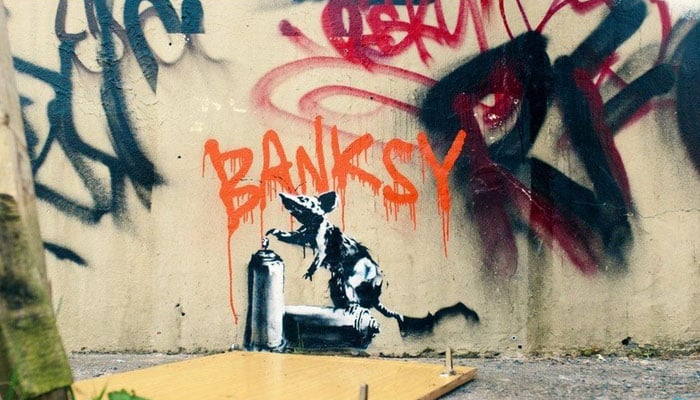
The identity of the enigmatic graffiti artist Banksy is revealed in a long-lost BBC interview that has been discovered — when asked if he is known as "Robert Banks" by BBC reporter Nigel Wrench during the 2003 recording, the musician responds, "It's Robbie."
Online rumours about this have been around for a while; Robin, Robert, and Robbie have all been proposed.
The Banksy Story, which airs on BBC Sounds on Radio 4, has the whole interview.
Once the recording was found, a bonus edition of the podcast was specifically made.
In it, Banksy also draws a comparison between microwaving dishes and his method of creating graffiti quickly and covertly.
"It's quick," the Bristol artist said, adding: "I want to get it done and dusted."
This is among the artist's earliest known radio interviews. The artist is frequently characterised by the media as "mysterious" and "secretive."
Although Banksy's true identity is still unknown, the interview offers his devoted followers—many of whom are A-list celebrities—a unique opportunity to hear him speak.
During the summer of 2003, to coincide with the launch of Banksy's Turf War exhibition in east London, the artist, who was in his twenties at the time, was interviewed by Wrench, a former BBC arts journalist.
On the BBC's PM programme that July, a modified version was broadcast. Not all of the content, nevertheless, was utilised.
Wrench found the entire conversation on a minidisc in his home after listening to The Banksy Story podcast for many years.
Among the previously unheard content is Banksy's justification of vandalism as art.
"I'm not here to apologise for it," he told Wrench. "It's a quicker way of making your point, right?
"In the same way my mother used to cook Sunday roast every Sunday and says every Sunday, 'it takes hours to make it, minutes to eat'."
"And these days she eats microwave meals for one and seems a lot happier. I'm kind of taking that approach to art really. I want to get it done and dusted."
When asked if graffiti is unlawful or considered vandalism, Banksy offered the following advice to the public.
"Go out! Trash things! Have fun!", he said, adding that others, in turn, could paint over your work."
"Other people, they can change it. They can get rid of it," he said.
Graffiti artist Banksy gained popularity for his satirical paintings, which were displayed on buildings all throughout the nation.
Despite being one of the most well-known painters in the world, he chooses to remain anonymous—at least on paper.
He astounded the art world in 2018 when, just after going up for auction, his artwork of a girl with a balloon "self-destructed" in London.
Girl With Balloon was originally stenciled on a wall in east London and has been endlessly reproduced, becoming one of Banksy's best-known images.


-
 China extends US trade barrier investigations to December 27 amid ongoing talks
 -
 US court halts execution of woman on death row at eleventh-hour
 -
 UK household energy bills forecast to see biggest rise in four years amid shortage crises and geo-political tensions
 -
 Republican chair warns Trump over South Korea’s China ties
 -
 German unemployement exceeds expectations, signalling weak autumn momentum
 -
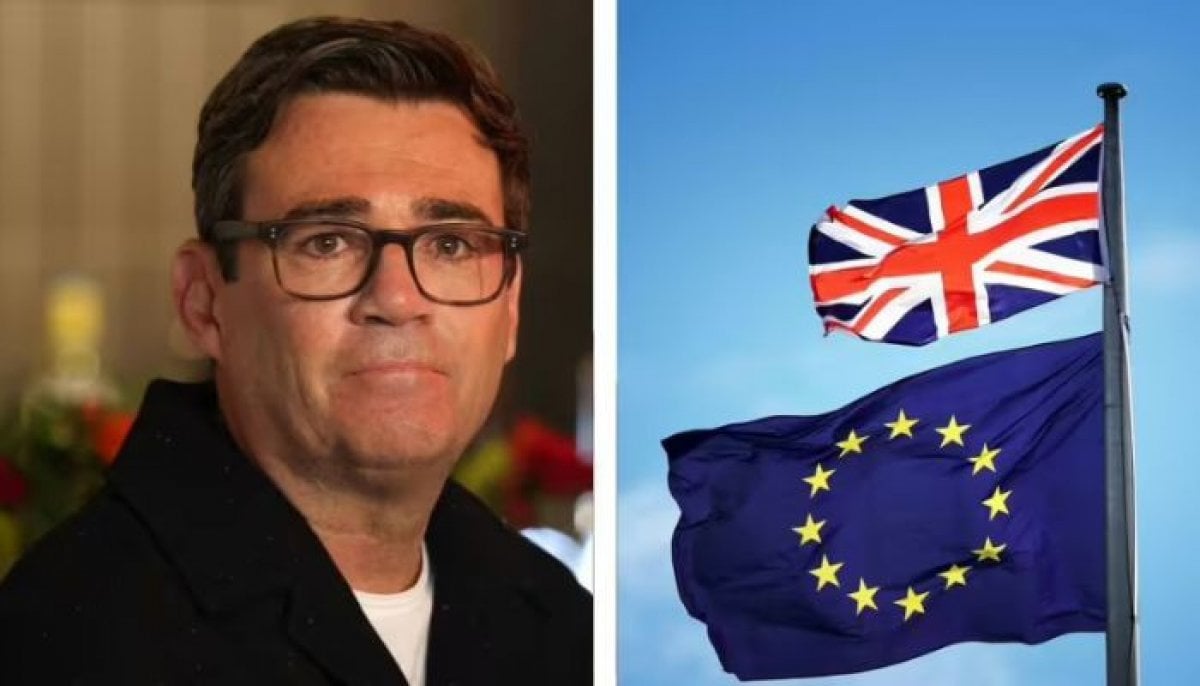 Andy Burnham says Britain should weigh EU options, including rejoining bloc
 -
 South Korea reveals why Zelenskyy disclosed secret POW transfer
 -
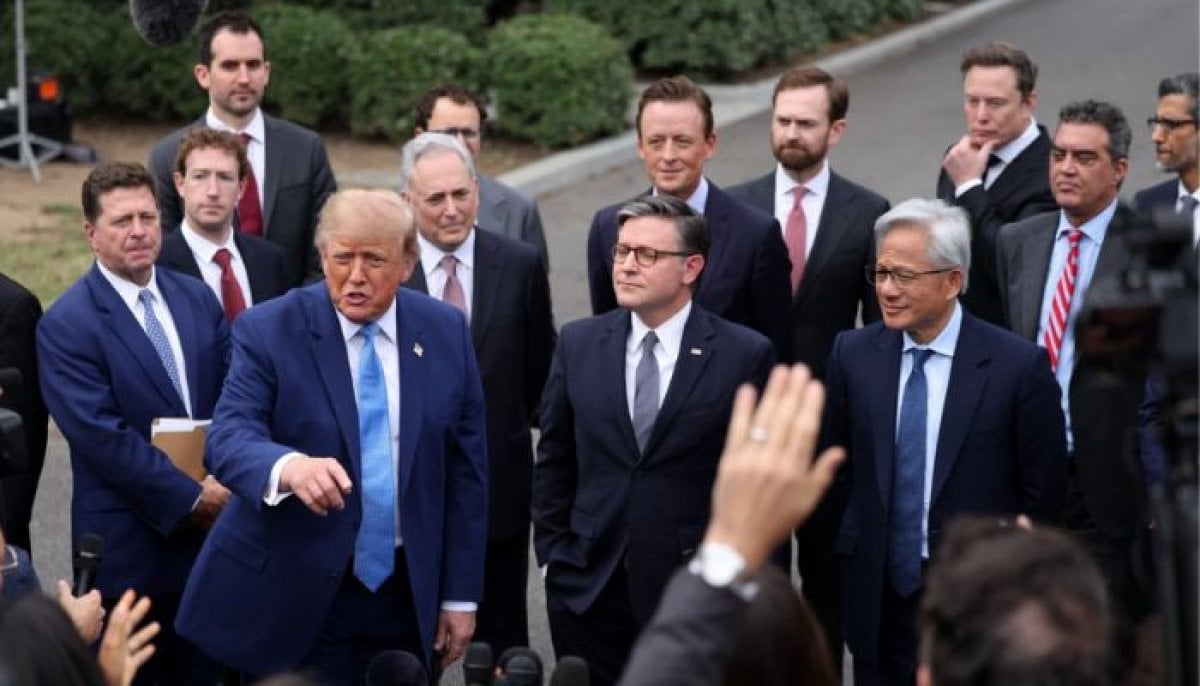 Trump releases AI accord with tech executives, formally introduces 'super intelligence'
-
 Flydubai flight diversion to Saudi Arabia: Israel rules out hijacking
 -
Mark Carney’s Trump clash puts him in Nobel Peace Prize, Time Person of the Year Spotlight
-
Judge orders New York City to restart Secondary-Home Tax rollout; City immediately appeals
-
Cornell rape case: New York AG launches review as prosecutors reopen case