James Webb Space Telescope discovers Milky Way twin in early universe
The galaxy, named ceers-2112, challenges previous notions about galaxy evolution
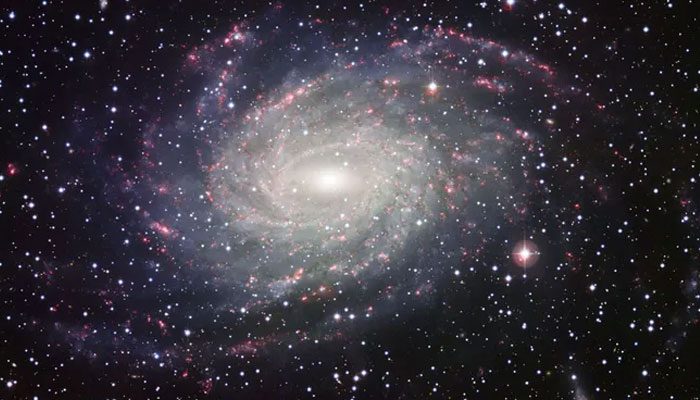
In a celestial breakthrough, the James Webb Space Telescope (JWST), alongside an international research team featuring UCR astronomer Alexander de la Vega, has identified the most distant barred spiral galaxy, named ceers-2112, resembling the Milky Way.
This discovery challenges conventional beliefs about galaxy evolution, suggesting that barred spiral galaxies could form and exhibit order much earlier in the universe's history than previously thought.
Published in the journal Nature and led by scientists at the Centro de Astrobiología in Spain, the research sheds light on ceers-2112, hosting a central galactic bar—a structure made up of stars.
Traditionally, barred spiral galaxies like the Milky Way were assumed to emerge after the universe reached half of its current age of approximately 13.8 billion years.
De la Vega, a coauthor and postdoctoral researcher at UCR, highlights the unexpected nature of ceers-2112, challenging the prevailing notion that early-universe galaxies were primarily chaotic and lacked structures akin to the Milky Way.
The presence of a galactic bar in ceers-2112 suggests an accelerated maturation process, challenging existing theories on galaxy formation and evolution. Contrary to the previous assumption that several billion years were needed for galaxies to achieve the level of order conducive to developing bars, this discovery proposes that such structures can manifest in about one billion years or less.
De la Vega's contributions to the research involved estimating the redshift and properties of ceers-2112, providing crucial insights into the galaxy's characteristics and aiding in the interpretation of measurements.
The discovery not only prompts revisions to theoretical models of galaxy evolution but also opens new avenues for detecting similar structures in the early universe, marking a significant milestone in the field of astronomy.


-
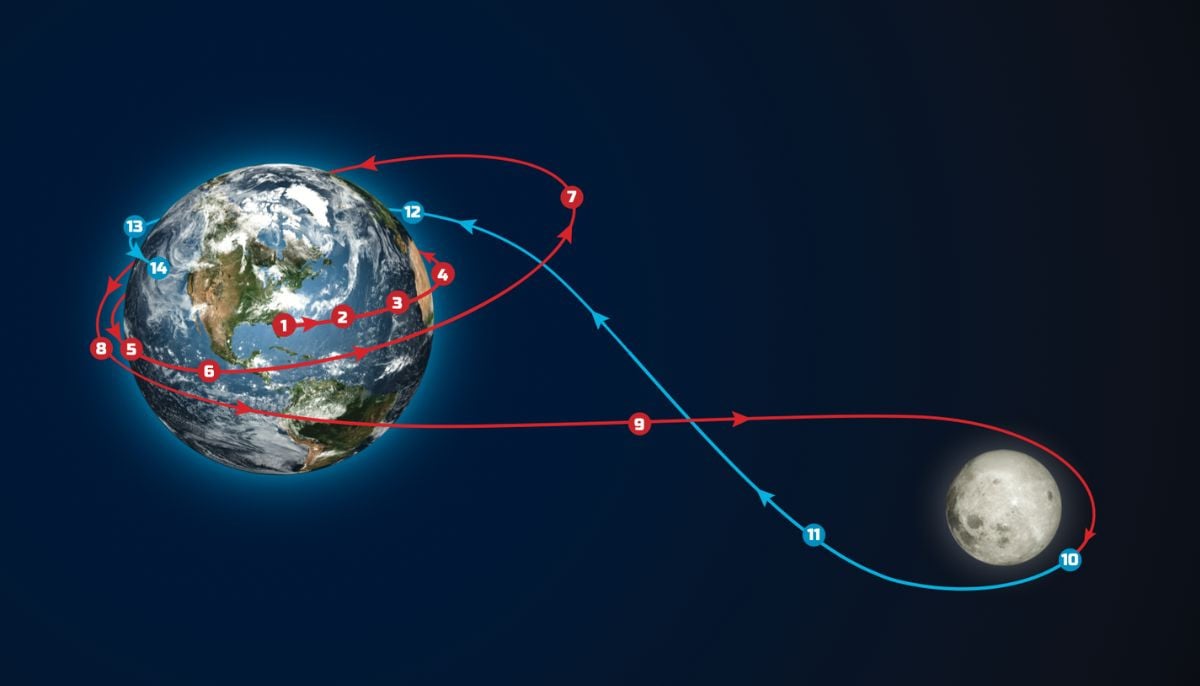 Why NASA Artemis II won’t take straight path to Moon: ‘Figure-8’ route explained
 -
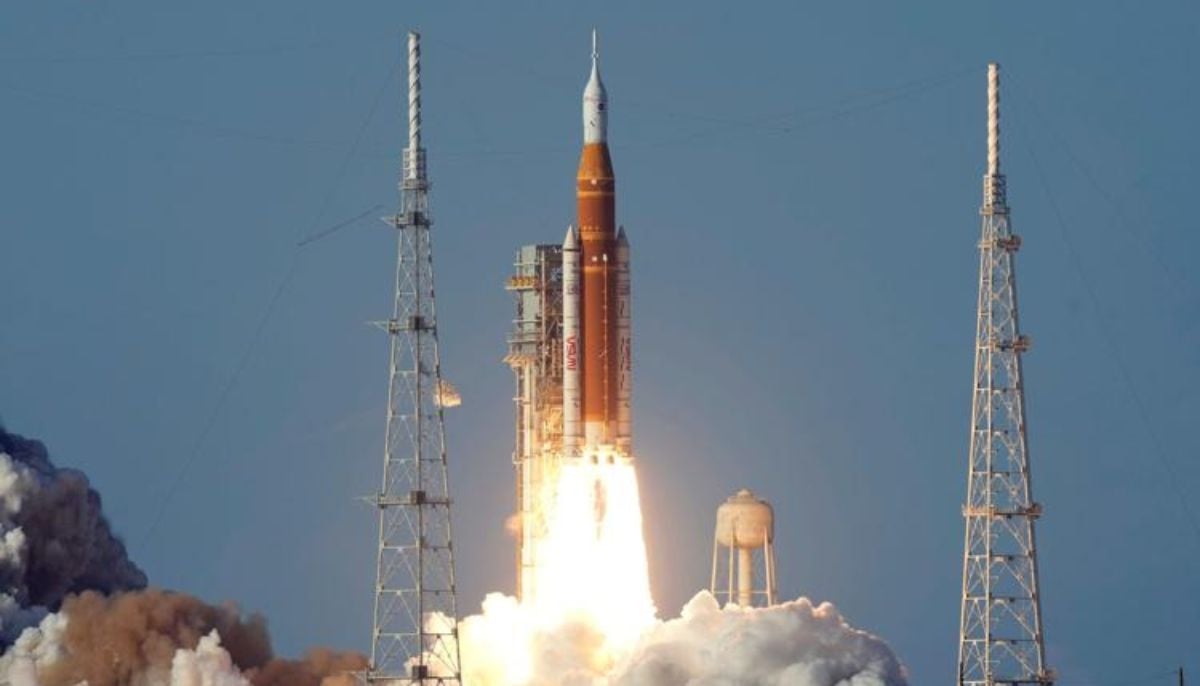 Even in space: NASA Artemis II astronauts hit Outlook glitch mid-mission
 -
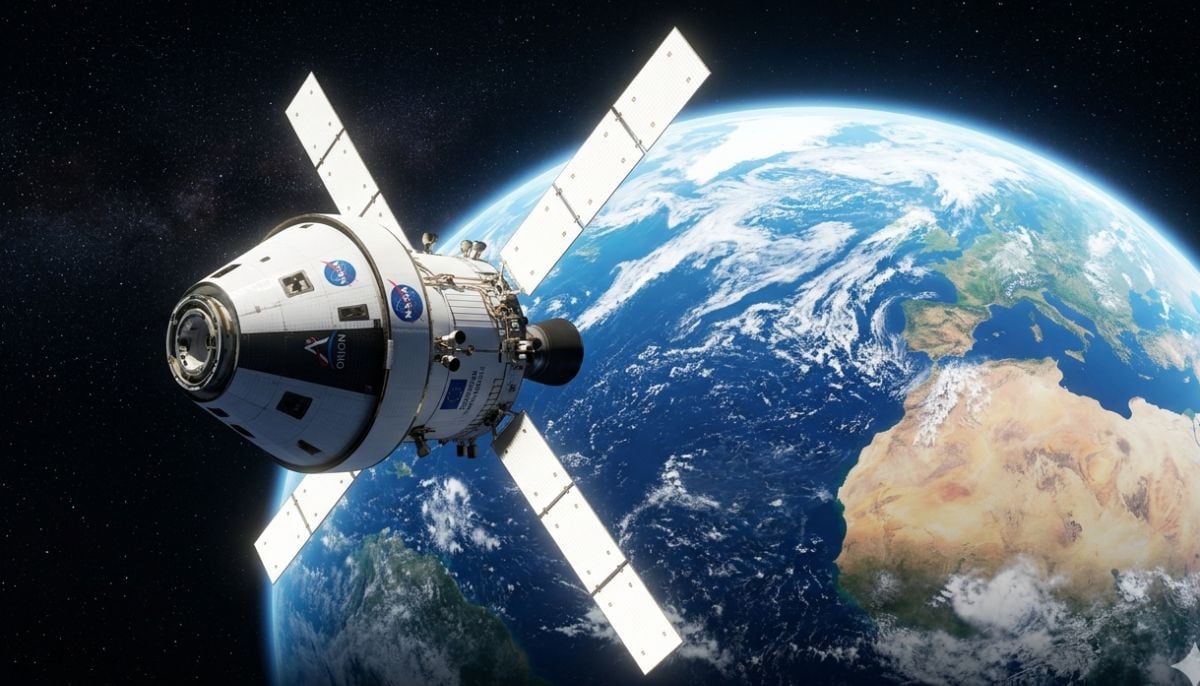 Artemis II hurtles ever closer to the lunar far side
 -
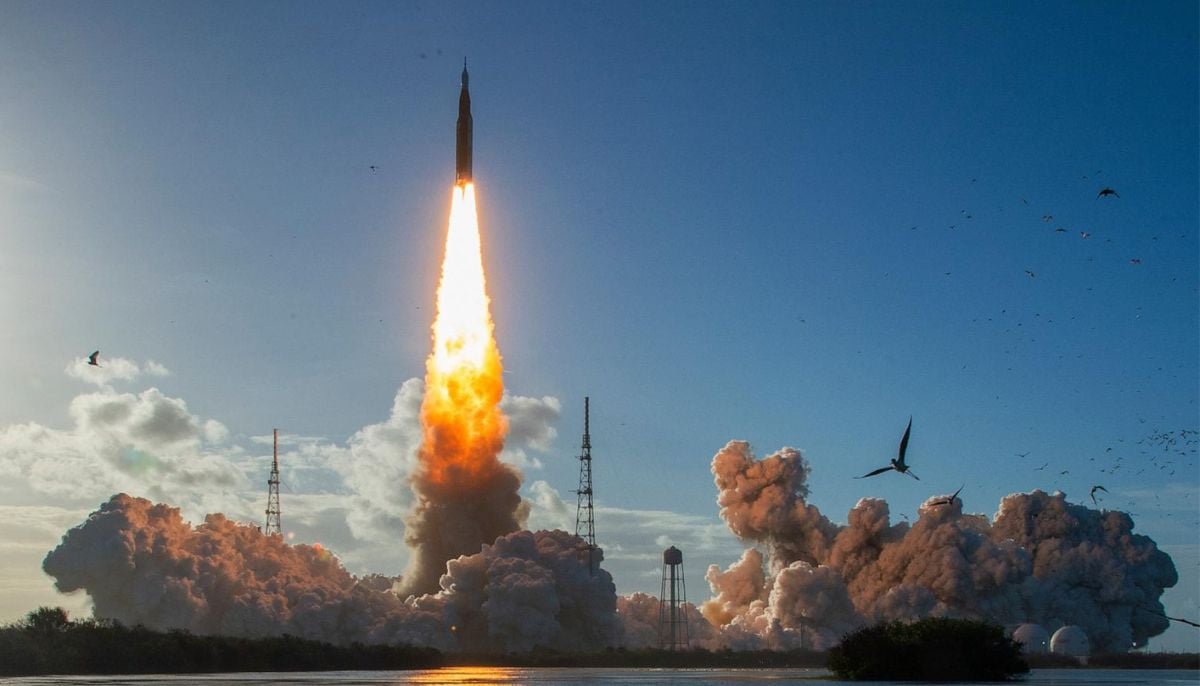 Where is Artemis II today? Here is everything to know about NASA’s journey to the moon
 -
 European Space Agency to negotiate with NASA on future lunar missions
 -
 SpaceX AI satellites plan raises doubts after Microsoft setback
 -
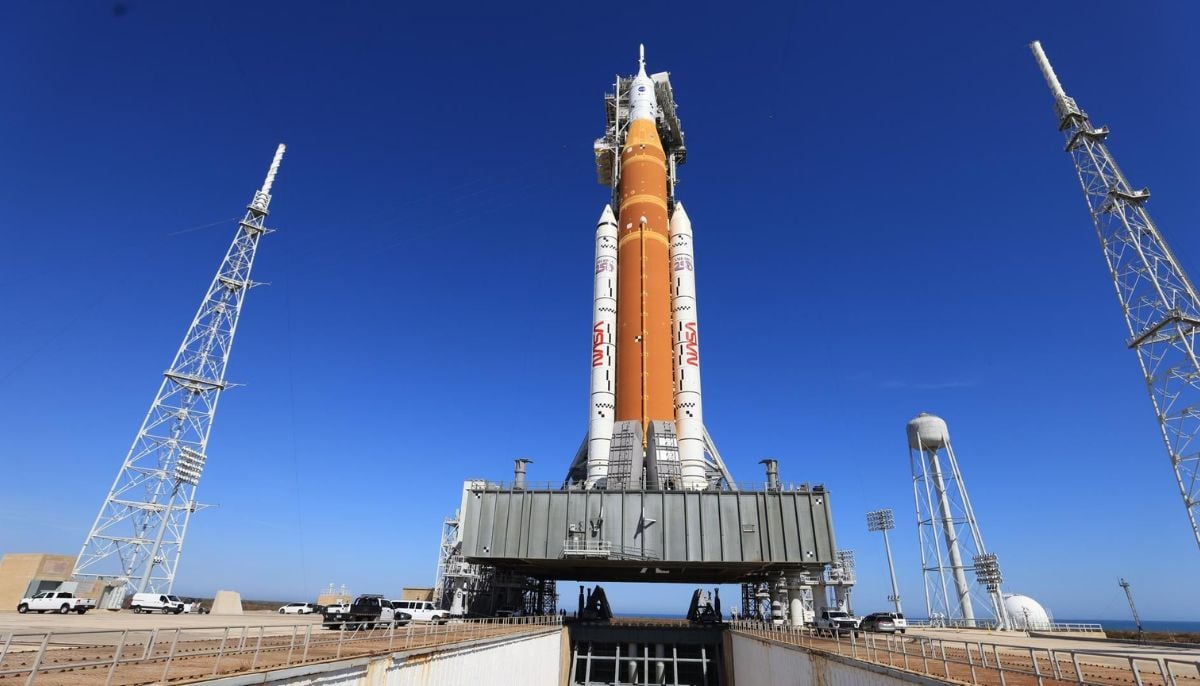 NASA Artemis II lifts off, sending cubesats into deep space study
 -
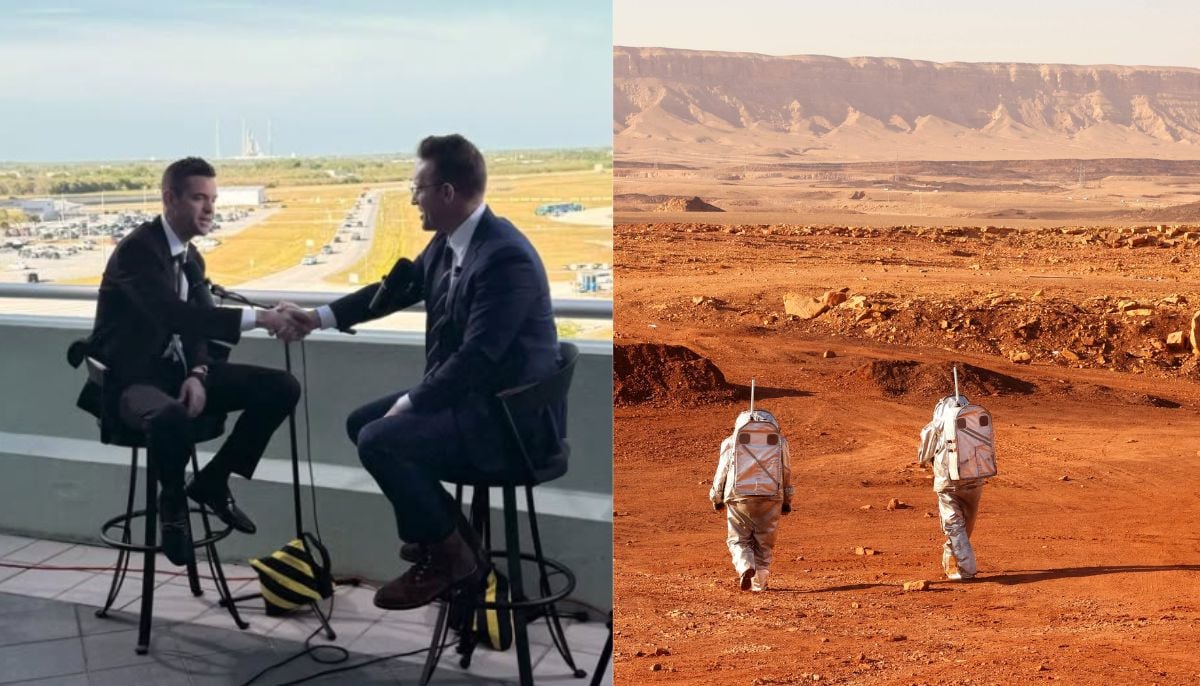 Could there be life on Mars? NASA Jared Isaacman claims chances are 90%