Volunteers use shovels to recover bodies from rubble as aid arrives in Afghanistan
Many people have come from far-flung districts to get people out from the rubble, a Zinda Jan resident said
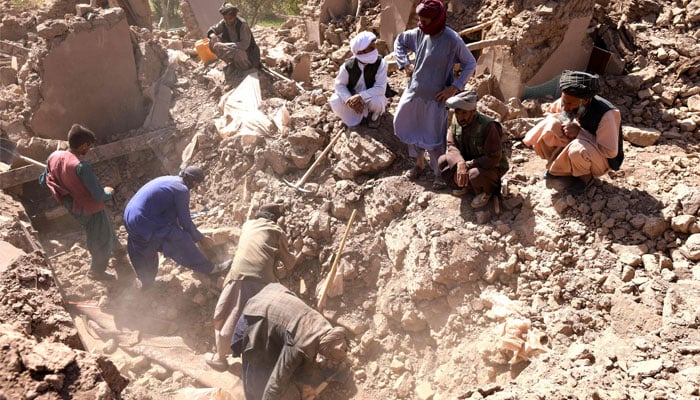
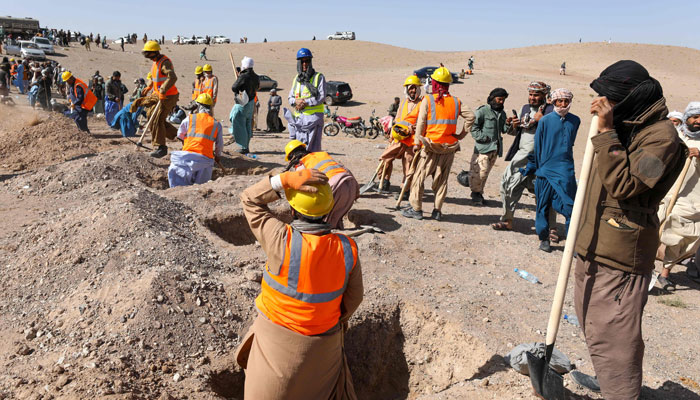
As relief started to trickle into the stricken areas on Monday, Afghan locals and volunteers joined hands to dig for survivors after a series of earthquakes that hit the country on Saturday killed more than 2,000 people.
Volunteers raced to difficult-to-reach places 30 kilometres (19 miles) northwest of Herat city, the capital of the same-named province, which was struck by a massive magnitude 6.3 earthquake and eight strong aftershocks on Saturday.
Volunteers arrived in vehicles loaded with food, tents, and blankets. Additionally, they carried shovels to aid in sifting through the debris of the destroyed communities as the likelihood that anyone might still be alive was dwindling.
"Many people have come from far-flung districts to get people out from the rubble," said Khalid, 32, at Kashkak in Zinda Jan district. "Everyone is busy searching for bodies everywhere, we don't know if there are others as well under the debris."
Local and national officials gave conflicting counts of the number of dead and injured, but the country's disaster agency said Sunday that 2,053 people had died, AFP reported.
Meanwhile, the World Health Organization (WHO) said more than 11,000 people had been affected from 1,655 families.
As winter draws in, providing shelter for them will be a major challenge for Afghanistan's Taliban government, which seized power in August 2021 and has fractious relations with international aid organisations.
Crises mount
Taliban authorities have banned women from working for UN and non-governmental organisations (NGOs) in the country, making assessments of family needs in deeply conservative parts of the country difficult.
Save the Children called the quake "a crisis on top of a crisis".
"The scale of the damage is horrific. The numbers affected by this tragedy are truly disturbing," said the group's country director Arshad Malik.
In Sarboland village, people have reported gutted homes, with personal belongings flapping in the wind as women and children camped out in the open. Most rural homes in Afghanistan are made of mud-built around wooden support poles, with little in the way of modern steel reinforcement.
Multi-generational extended families generally live under the same roof, meaning disasters such as Saturday's quake can devastate local communities.
Afghanistan is already suffering a dire humanitarian crisis, with the widespread withdrawal of foreign aid following the Taliban's return to power.
Herat province — home to around 1.9 million people on the border with Iran — has also been hit by a years-long drought that has crippled many hardscrabble farm communities.
Afghanistan is frequently hit by earthquakes, especially in the Hindu Kush Mountain range, which lies near the junction of the Eurasian and Indian tectonic plates.
More than 1,000 people were killed and tens of thousands left homeless last June after a 5.9-magnitude quake struck the impoverished province of Paktika.


-
 Erika Kirk dating claims surface as she reclaims Charlie Kirk's legacy
 -
 Karoline Leavitt joins Erika Kirk at Washington event
 -
 US targets China chip sector with new export curbs on ASML
 -
 Trump administration labeled ‘misogynistic’ following dismissal of Pam Bondi and Kristi Noem
 -
 Trump mocks Starmer as UK–US tensions rise over defence
 -
 China tightens rules on digital humans and addictive kids’ content: Here’s why
 -
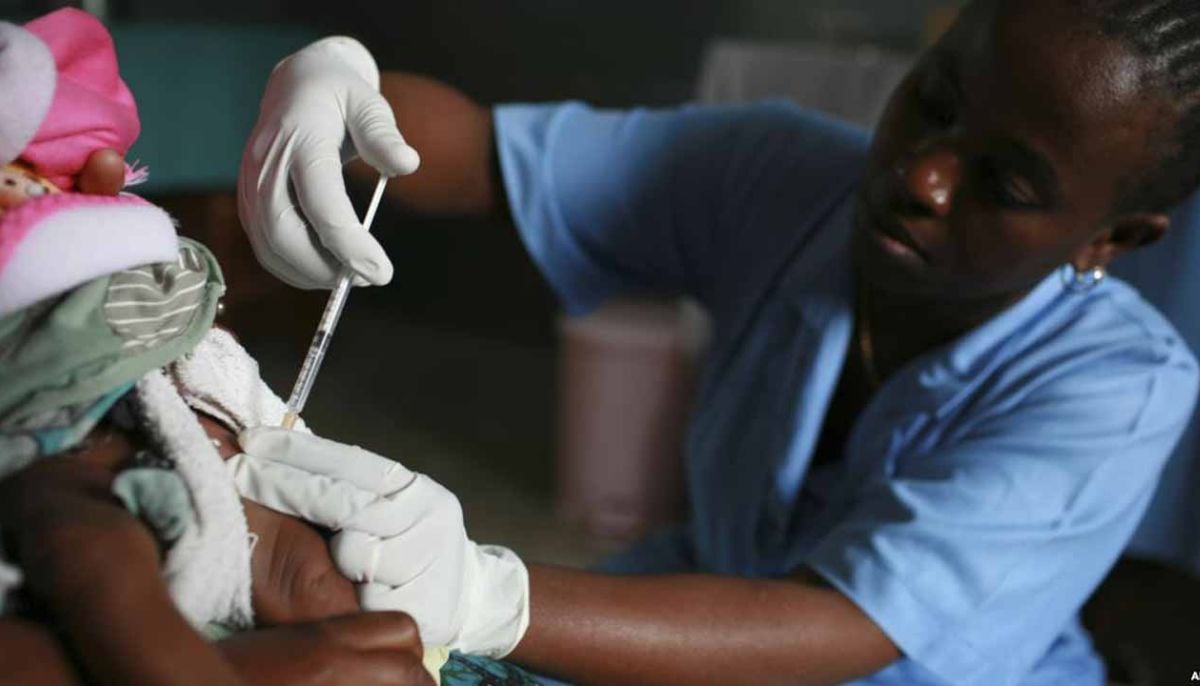 US disrupts global malaria and HIV supply chains, sparking health crisis fears
 -
 Uffizi galleries hit by cyberattack, valuables moved to bank
-
 Was Kristi Noem really 'blindsided' about her husband crossdressing life? Insiders tell all
 -
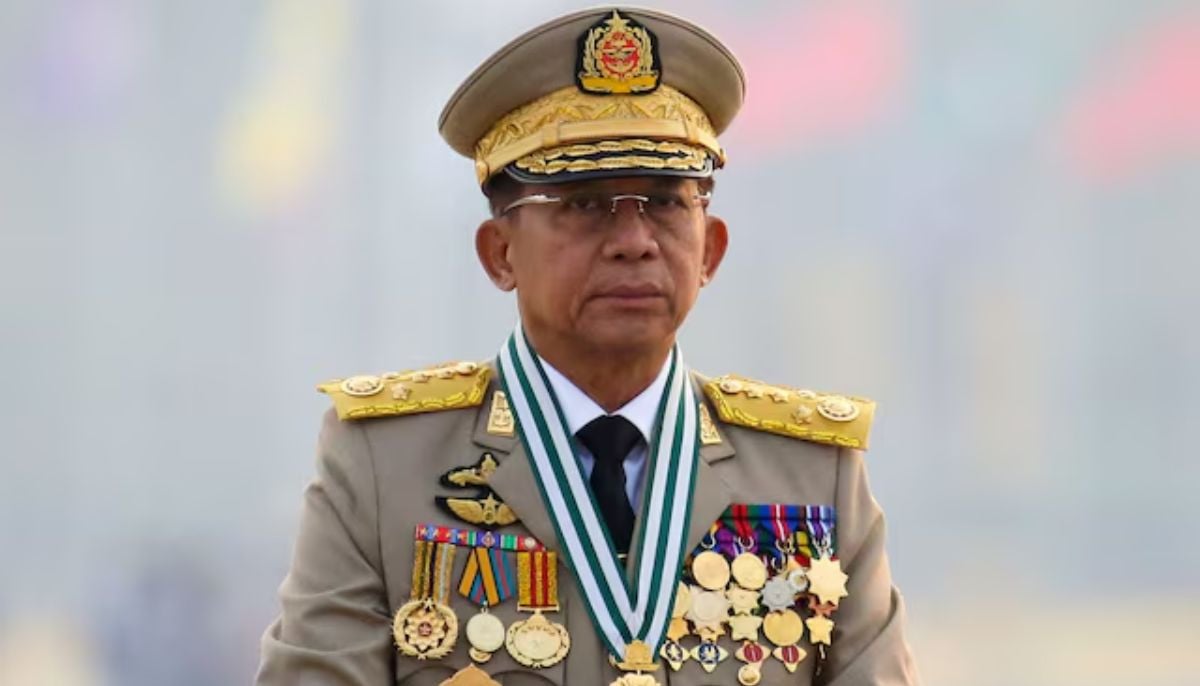
From coup to presidency: Myanmar junta leader tightens grip on power
-
Justice Department shake-up: Pam Bondi ousted as attorney general despite close ties to Trump
-
Markwayne Mullin updates DHS rules, pauses migrant flights as Republicans call for stronger action