Brazil´s biggest serial killer shot dead
Rodrigues, 68, spent 42 years in prison for homicide
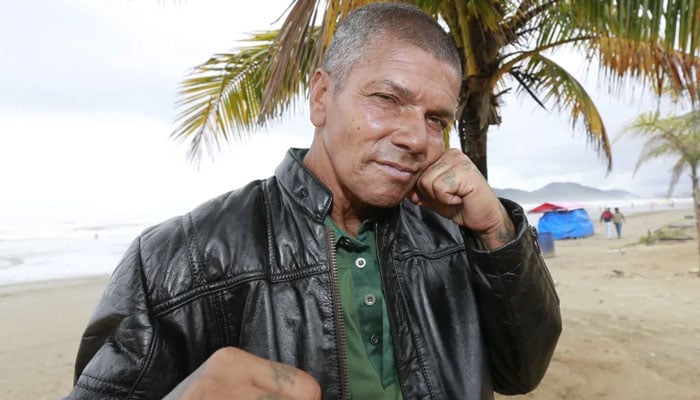
SAO PAULO: A self-described vigilante murderer who rose to fame in Brazil for claiming to have killed more than 100 victims, mainly drug dealers, rapists and other criminals, was shot dead near Sao Paulo, authorities said Monday.
Pedro Rodrigues Filho, dubbed "Brazil’s biggest serial killer," died Sunday of multiple gunshot wounds in the southeastern city of Mogi das Cruzes, said the Sao Paulo state public security department.
"The suspects fled after the crime," it said in a statement.
Rodrigues, 68, spent 42 years in prison for homicide.
He shot to fame for a series of high-profile interviews in the Brazilian media, in which he claimed to have killed his victims because they had themselves committed crimes.
Known as "Pedrinho Matador," or "Little Pedro the Killer," Rodrigues had also been nicknamed the "Brazilian Dexter," for the US series about a vigilante serial killer.
Released in 2018, Rodrigues began a new life as a social media personality, racking up more than 250,000 followers on the video app Kwai with posts telling his unusual life story, commenting on high-profile cases and warning young people against a life of crime.
Criminologist Ilana Casoy, who met Rodrigues, described him as a charismatic man who was "joyful, casual and intelligent."
"He fascinated people — a reflection of our society, in a country where only 10 percent of homicides are brought to justice," she told the newspaper Folha de Sao Paulo.


-
 Canada to import Chinese EVs under new import rules despite concerns from Canadian automakers
 -
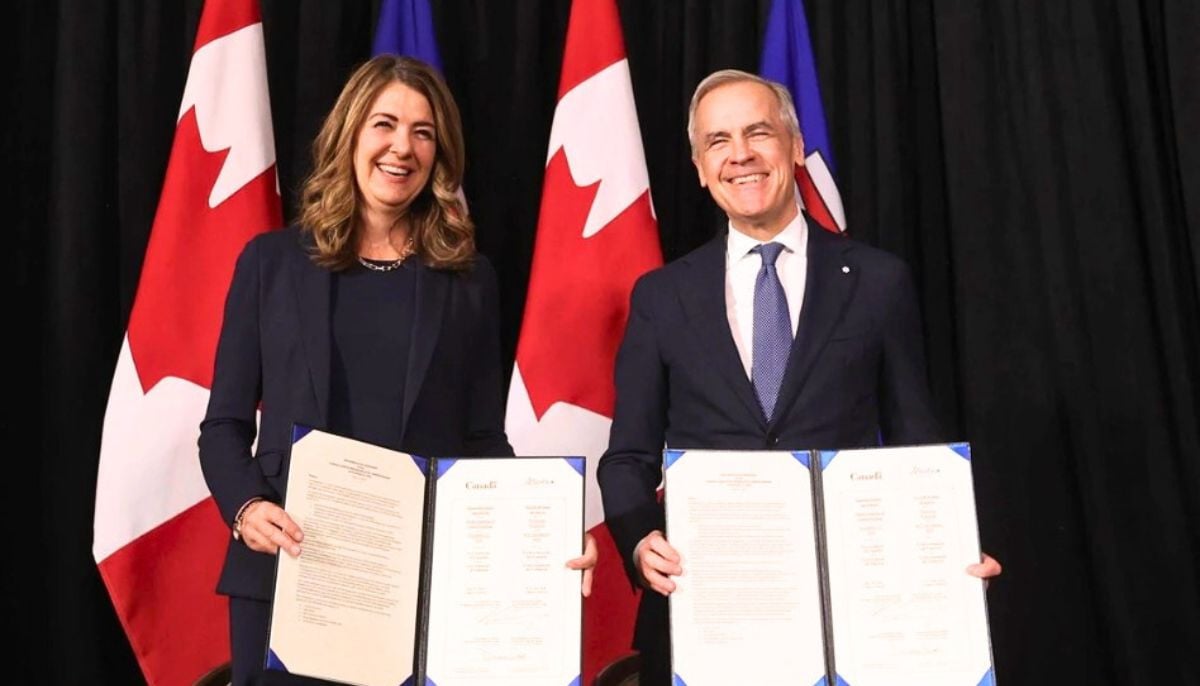 Carney’s Alberta 'carbon agreement' deal unlocks new oil pipeline plans amid global crisis
 -
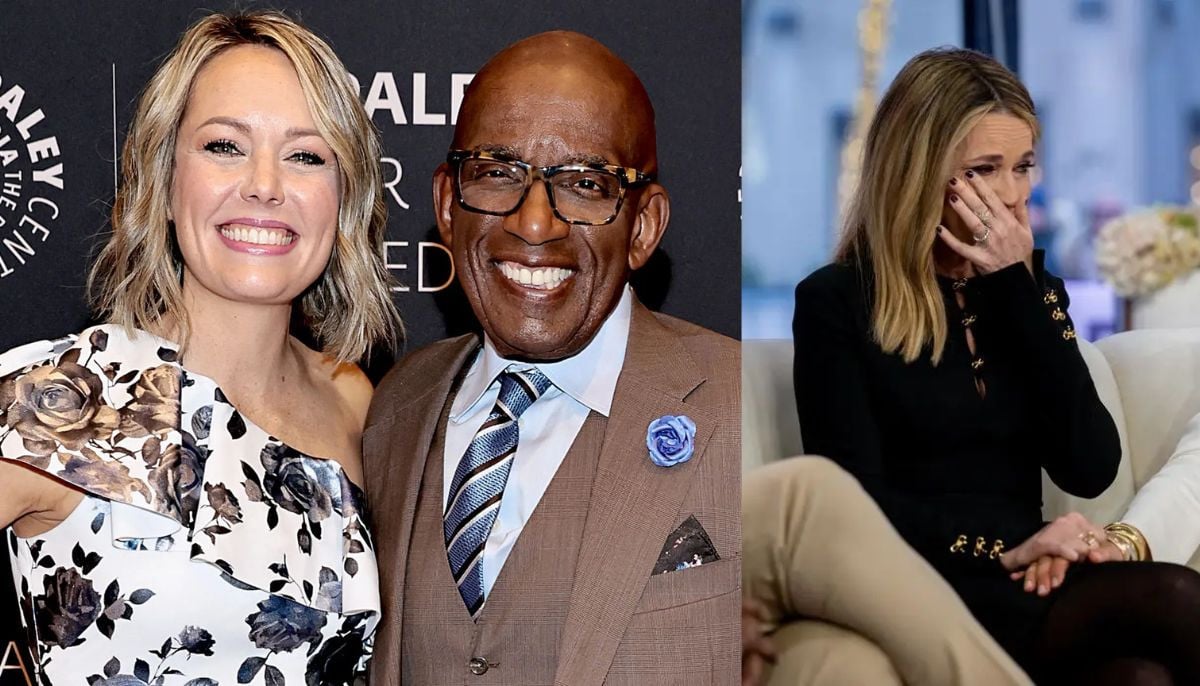 Al Roker, Dylan Dreyer claim to be 'not immune from life' amid kidnapping of Savannah Guthrie’s mom
 -
 UK backs human rights plan to curb illegal migration
 -
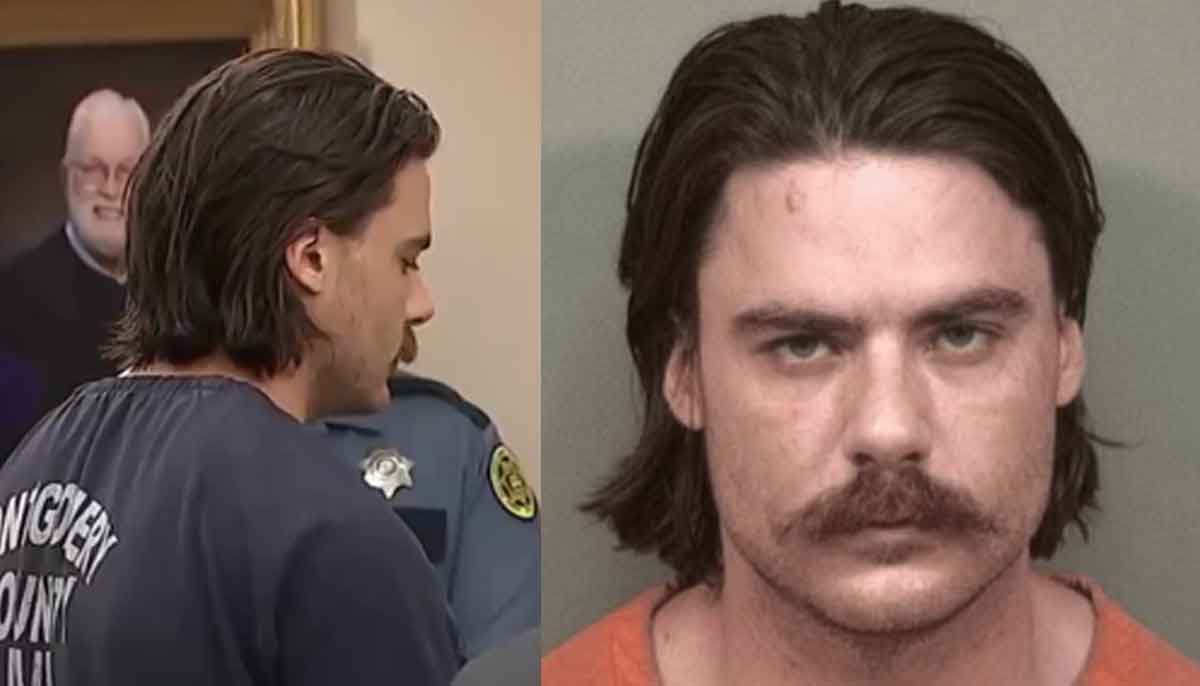 Chud The Builder held on $1.25M bond, Joshua Fox's wife raises $60K on GoFundMe
 -
 Super El Nino 2026: Why forecasters say it’s just around the corner
 -
 Trump says China has agreed to buy US oil, Fox News reports
 -
 Henry McMaster pushes new congressional map after Trump pressure