
Genetic disease diagnosis will soon be available to all UK newborns
Whole genome sequencing (WGS) is now being made available to healthy newborns in NHS for first time as part of programme
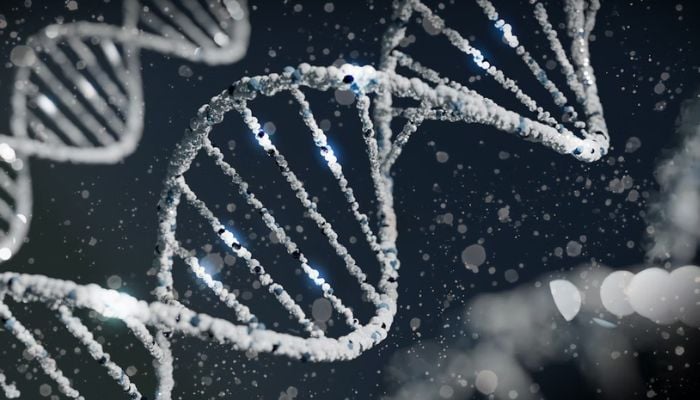
The sequencing of 100,000 newborns' whole DNA will enable the diagnosis and treatment of rare genetic illnesses, reported the BBC. It should spare hundreds of English families months or years of suffering while they wait to learn the cause of their children's illnesses.
Whole genome sequencing (WGS) is now being made available to healthy newborns in the NHS for the first time as part of the programme where about 200 treatable illnesses will be screened for.
The Newborn Genomes Programme, which would launch the following year, is regarded as the largest study of its sort ever conducted. If it is successful, it might be implemented all over the nation.
There are at least 7,000 single-gene diseases, the majority of which appear in infancy.
Several thousand kids in the UK are affected with uncommon genetic disorders each year, but because symptoms can appear gradually, families frequently go through years of testing and uncertainty before they receive a diagnosis. When a diagnosis is verified, it's possible that irreparable harm has already been done.
A very unusual genetic issue that Owen, 9, is suffering from affects his growth and development. This condition, referred to as THRA-related congenital hypothyroidism, is one of the illnesses that will be covered by the new genetic test.
Around Owen's first birthday, his West Yorkshire-based parents, Sarah and Rob Everitt, realised something was amiss because he wasn't crawling or sitting up. However, physicians frequently rejected their worries, and Owen wasn't given a diagnosis until he was four and a half years old.
For the BBC, Rob said: "I recall all the time we wasted waiting in hospital waiting rooms, getting shuffled between departments, and undergoing numerous pointless tests, some of which were pretty invasive. I can't even remember how many specialists and consultants we saw, let alone how many tests they ran on him."
According to the outlet, Owen's ailment was eventually determined by sequencing his entire DNA. He is only the 30th person in the world and the sixth in the UK to have the gene condition, which is caused by a spontaneous mutation in his DNA rather than being inherited.
According to Sarah, receiving the diagnosis changed her life: "Because we knew there was a therapeutic road, we knew we could get him help, and we knew he could attend a mainstream school."
Sarah claims that Owen's life has been "revolutionised" by daily medication: "He used to simply doze off in the midst of the day because he lacked the stamina to move around or speak. He has so much energy right now that I can't keep up with him!"
When the project gets underway the following year, Sarah says she would strongly advise parents of infants to accept the option of whole genome sequencing.
According to Genomics England, the study will find hundreds of kids with genetic diseases who would have been missed by the present newborn screening programme.


-
 Explosive diarrhoea parasite spreads across US with cases reported in 17 states
 -
 World oceans just had their hottest June on record: Here's why it matters
 -
 Owner survives but young puppy suffers tragic end after dog attack
 -
 Scientists discover tiny Antarctic sea creature that could help fight melanoma
 -
 Is UK heading for another heatwave? Here's what the latest forecast says
 -
 Shocking discovery at 'no-kill' shelter leaves dog owners distraught
 -
 EU launches investigation into Sanofi over alleged flu vaccine disparagement
 -
 How to survive Heatwave: Expert tips to stay cool in extreme temperatures


