US warns of sanctions over Iran drone ties after Kyiv strikes
Moscow is "being forced frankly to resort to unreliable countries like Iran for supplies and equipment," Antony Blinken said
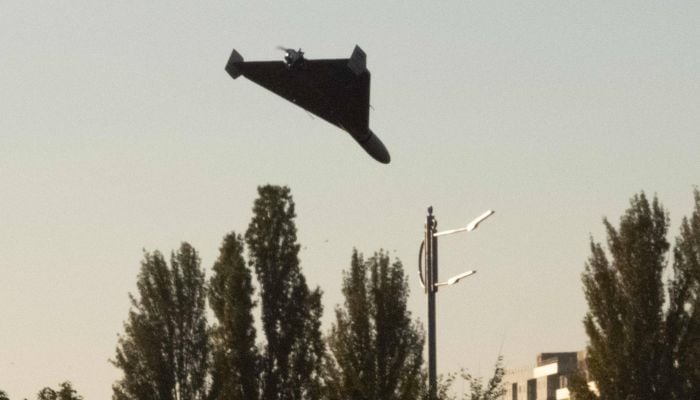
The United States warned Monday it would take action against companies and nations working with Iran's drone program after Russia used the imports for deadly kamikaze strikes in Kyiv.
"Anyone doing business with Iran that could have any link to UAVs or ballistic missile developments or the flow of arms from Iran to Russia should be very careful and do their due diligence — the US will not hesitate to use sanctions or take actions against perpetrators," State Department spokesman Vedant Patel told reporters.
"Russia deepening an alliance with Iran is something the whole world — especially those in the region and across the world, frankly — should be seeing as a profound threat," he said.
Ukrainian officials said that the strikes killed four people in Kyiv — including a couple expecting a baby — and knocked out electricity to hundreds of towns and villages as the country prepares for winter.
Secretary of State Antony Blinken said the drone strikes showed the need to provide "everything possible" to Ukraine as its forces gain ground against Russian invaders ahead of winter.
The Russians are "attacking critical infrastructure like power plants, hospitals, the things that people need in their daily lives that are not military targets," Blinken told reporters at Stanford University in California.
"It is a sign of increased desperation by Russia, but it´s also a sign of the levels that they will stoop to and that we've seen repeatedly when it comes to targeting civilians and civilian infrastructure," Blinken said.
In Washington, Patel said the United States also believed that Iran's shipment of the drones — formally known as unmanned aerial vehicles — violated UN Security Council Resolution 2231, which blessed a now moribund 2015 nuclear deal.
"It is our belief that these UAVs that were transferred from Iran to Russia and used by Russia in Ukraine are among the weapons that would remain embargoed under 2231," he said.
The resolution's ban on Iranian exports of conventional weapons expired in October 2020 despite efforts at the United Nations by the administration of then-president Donald Trump, who left the nuclear deal.
But the resolution maintains restrictions through October 2023 on exports related to ballistic missiles that could deliver nuclear weapons.
Citing previously released US intelligence, Patel said that some of the Iranian drones being sold to Russia have malfunctioned.
The transfer shows the "enormous pressure" on Russia, which according to US figures has lost 6,000 pieces of equipment since invading Ukraine, he said.
Moscow is "being forced frankly to resort to unreliable countries like Iran for supplies and equipment," he said.
US officials have previously said that Russia, historically a major arms exporter, is also turning to North Korea while China has rebuffed calls for assistance.


-
 Putin proposes Trump-Xi summit on Ukraine deal, Rubio shares US stance
 -
 France: Macron rejects interior minister Nunez resignation after nationwide riots
 -
 Trump explains why he put Russia sanctions on hold
 -
 Trump says Zelensky 'doesn't want to end this war' after Ukraine attacks Russia
 -
 US indicts California woman accused of spying on Taiwan president's son for China
 -
 Chris Nanos mocked for Halloween video as Nancy Guthrie remains missing
 -
 Driver released after deadly Wichita soccer crash leaves two dead and 10 injured
 -
 Andy Burnham targets 'headphone dodgers' with new £100 bus fines
-
 Amazon deforestation drops to lowest level since 1988 as Brazil election looms
 -
Alberta separation unlikely as new poll reveals strong support for staying in Canada
-
Obama says Ilhan Omar deportation threat could set dangerous precedent for Americans
-
Four Canadian soldiers killed in Wainwright fire as Mark Carney orders flags lowered