
Economic turmoil pushes millions of Pakistanis out of middle class
Economy has been plagued by high inflation and currency devaluation resulting in eroding purchasing power
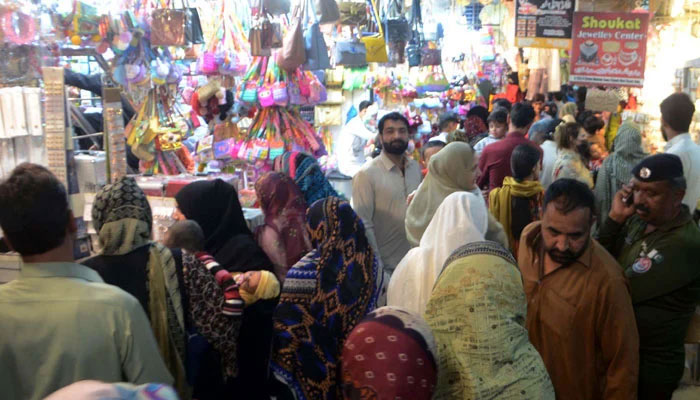
LAHORE: Pakistan’s middle class has significantly shrunk over the past decade, driven by economic recessions, rampant inflation and poor governance. This decline has coincided with a stark rise in poverty.
The economy has been plagued by high inflation, currency devaluation and dwindling foreign reserves, eroding purchasing power and pushing many middle-class households into lower-income brackets.
According to the World Bank, Pakistan’s poverty rate increased from 34.6 per cent in 2015 to over 39 per cent by 2023, reflecting the growing instability of incomes. Inflation hit record highs in 2023, exceeding 38 per cent in urban areas for essentials like food and fuel. Real incomes for the middle class have fallen as wages fail to keep pace with inflation. During the Covid-19 pandemic, nearly 20 million Pakistanis were pushed below the poverty line, disproportionately affecting middle-class families reliant on fixed or informal incomes.
The lack of job creation, coupled with rising layoffs, has deepened income insecurity for middle-class professionals. Hiring freezes and economic uncertainty have further reduced opportunities for upward mobility. Income inequality has widened, with the rich holding a significant share of national income.
Rural areas have been hit hard by poverty due to agricultural challenges and climate-induced catastrophes, including the 2022 floods that displaced millions. Urban poverty has risen as inflation has affected food, housing and transportation costs. The middle class, once a driver of growth in sectors like education, healthcare and consumer goods, has drastically cut spending due to rising costs. Several economic analyses reveal that middle-class consumption as a share of GDP has declined, while subsistence-level consumption has increased due to poverty alleviation programmes like the Benazir Income Support Programme (BISP).
To stabilise the middle class, Pakistan requires transparent economic reforms to curb inflation, stabilise the currency and enforce fiscal discipline. The recent reduction in inflation is unsustainable if the State Bank of Pakistan (SBP) succumbs to pressure to sharply cut policy rates (the next policy review is scheduled for Monday). A rate cut would trigger imports, deplete foreign reserves and put additional pressure on the rupee.
Policymakers must implement reforms to ensure sustainable growth only after stabilising inflation, currency and fiscal discipline. Rapid economic growth is unfeasible under current conditions; cautious, measured growth in line with macroeconomic realities is the only viable path forward.
The government must also facilitate investment in industries and SMEs to create stable employment opportunities. While the turnaround will be slow, targeted subsidies and social welfare programmes are essential to protect vulnerable groups during the transition.
Meanwhile, South Asia’s middle class faces similar challenges. In India, persistent high inflation has tightened middle-class spending, especially on food, threatening the urban consumption-driven economic growth seen until March 2023. Sri Lanka, too, is grappling with its worst financial crisis in decades, with economic gains yet to benefit the broader population.
These trends underscore the vulnerability of the middle class across South Asia to economic shocks and highlight the urgent need for inclusive growth and social protection policies to prevent further declines in living standards.


