Can you prove AI fired you? Meta's lawsuit shows how hard it is
Meta's first AI discrimination lawsuit exposes why the predicted wave of employment AI cases hasn't materialized
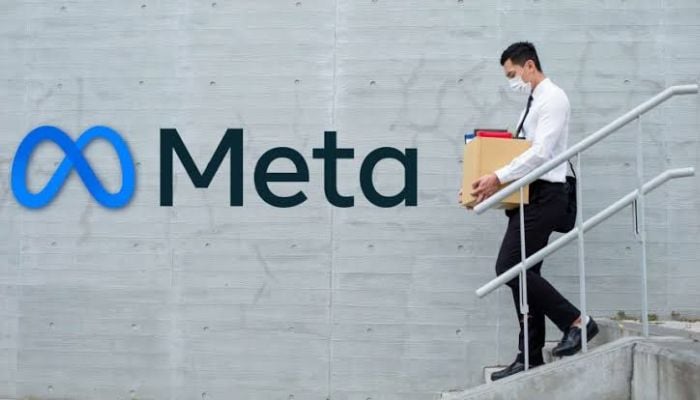
Meta employees alleging they were fired by discriminatory AI hit a legal brick wall this week: proving it. In a ruling that illuminates why the predicted wave of employment lawsuits over AI remains largely absent, US District Judge William Orrick declined to block Meta's 26 disputed terminations, citing a fundamental problem plaintiffs face.
As Orrick put it bluntly, "They were not in the rooms where it happened."
First major AI discrimination lawsuit reveals system workers face
The case, first reported by Reuters, marks the opening salvo in what legal experts expected would be a flood of AI-related employment claims. Instead, it shows why that flood has yet to arrive.
According to the employees at Meta, the reason why they were fired is their disabilities or the time off due to medical or family needs. Meta is accused of using its own AI system, known as "Metamate", a large language model assistant, which monitored communications and documents together with productivity metrics generated by keystrokes, screen capture, emails, and web history.
Meta denies using any information about AI token usage or productivity metrics as criteria for firing employees; instead, the company claims that all the decisions about laying off almost 8,000 workers were made by humans. Meta did not comment more on this issue.
Legal issue: the workers do not have an opportunity to see what the algorithmic decision-making system did.
Christine Webber, co-chair of civil rights and employment practice at plaintiffs' firm Cohen Milstein Sellers & Toll, explained the cascading consequence: "Even if you establish that a particular system would produce discriminatory outcomes left and right, you have no way of sharing that information with other employees."
Like other employees in the United States, those who filed suit against Meta have an agreement to arbitrate. This means that the plaintiffs cannot join into a class action lawsuit, go to court, and receive large settlements.
Orrick pointed out that he would be able to issue a preliminary injunction based on evidence of misconduct in the use of AI technology. A hearing will take place on August 24.


-
 Apple launches Watch Series 11 and Ultra 4 with heart rate readings every five seconds
 -
 iPhone 18 Pro gets major battery update: What users need to know
 -
 Apple’s new CEO John Ternus says iPhone is the ideal device for AI
 -
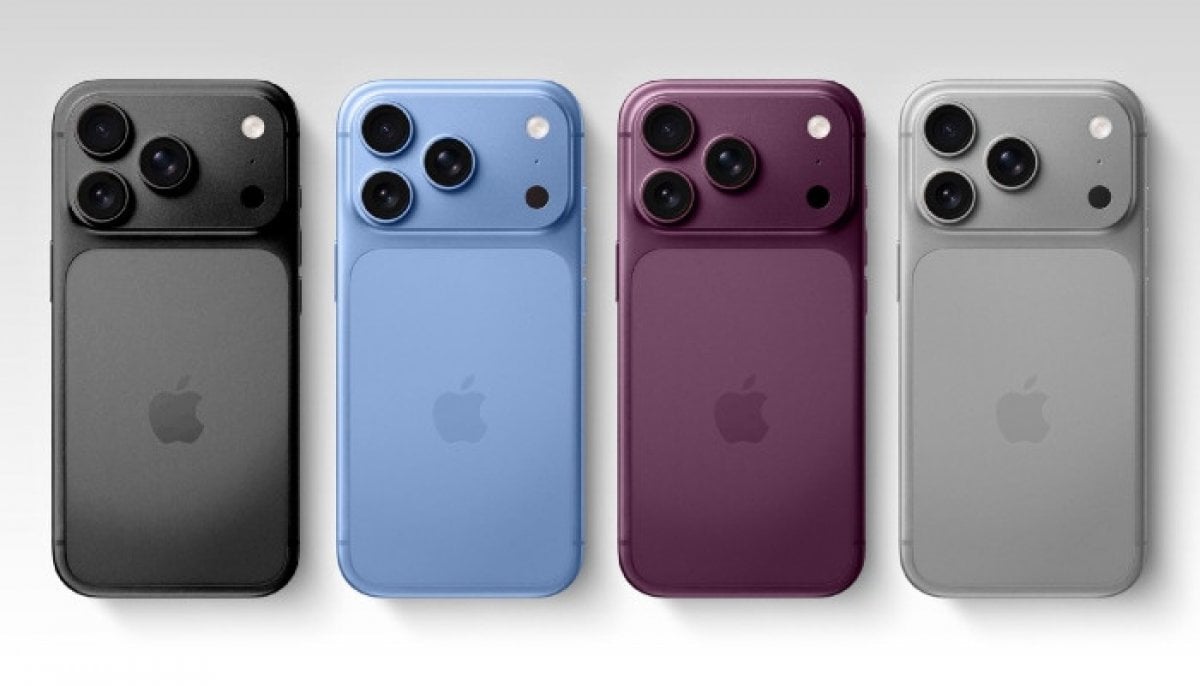 Apple officially launches iPhone 18 Pro and Pro Max with new colours and A20 Pro chip
 -
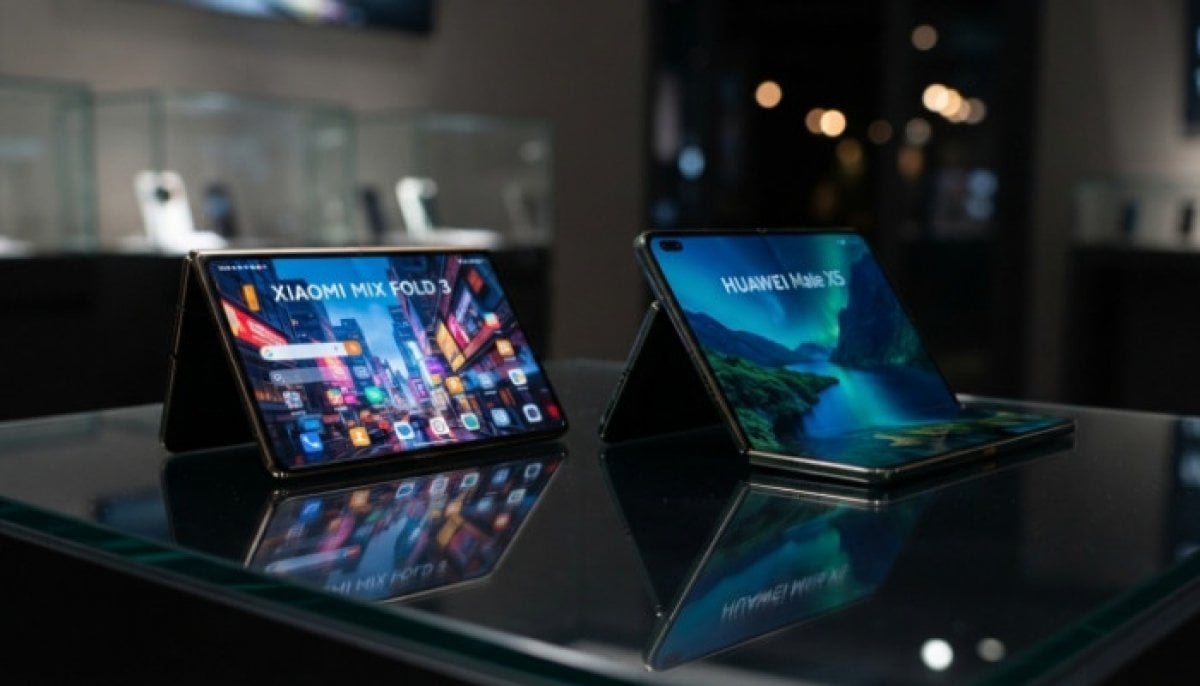 Apple’s rivals make their move as foldable iPhone anticipation grows
 -
 Apple’s first foldable iPhone is coming—New CEO John Ternus at the helm
 -
 Anthropic’s new model predicts how AI could reshape the US economy by 2030: What to know
 -
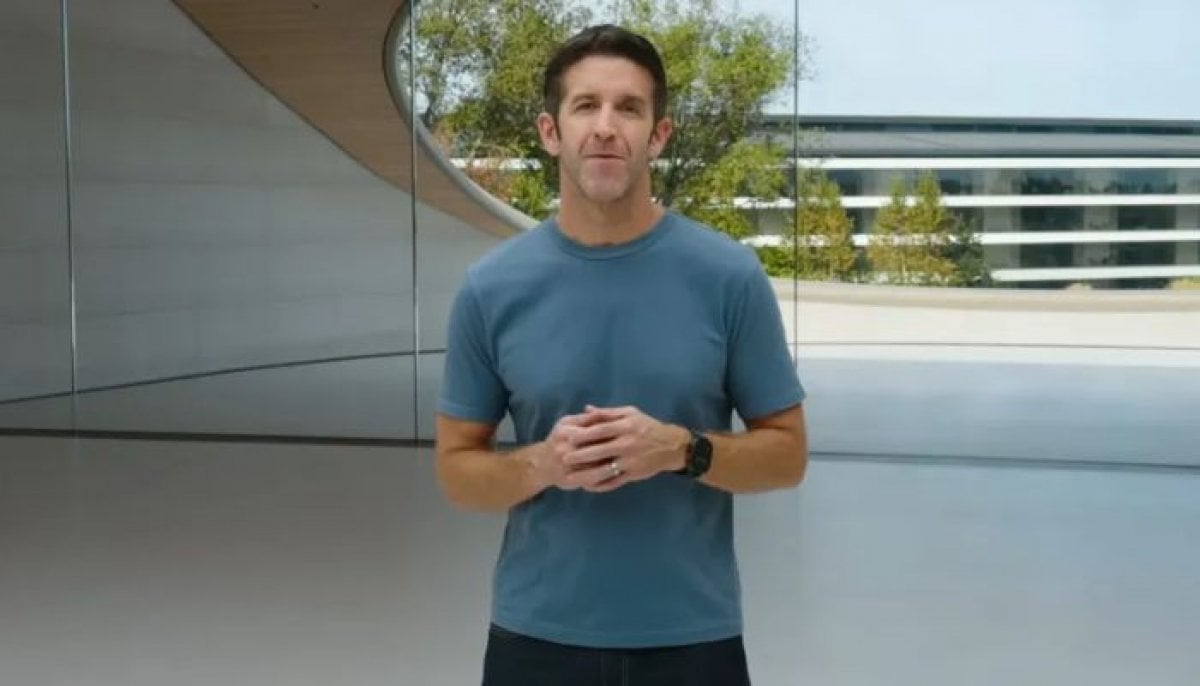 Apple event 2026 update: John Ternus teased mysterious post on X