Anthropic's AI expert spends half her time saying no: Here's why
Anthropic's Kristen Swanson says the smartest AI users are the ones who know when to skip it

Kristen Swanson's job is teaching people to use AI better. Most of that job, she says, involves telling them when to close the laptop and do the work themselves.
Swanson, who leads AI fluency research at Anthropic, calls it a "discernment tax". For tasks someone is already skilled at, reviewing and correcting an AI's output can take longer than just doing the task directly.
Delegating boring data analysis tasks does make sense; however, letting AI generate text on a topic that one already knows quite well would make it necessary to sift through the generated text line-by-line in an attempt to find the information needed, something that hardly saves any time whatsoever.
The learning process of Swanson's group was based on four interconnected competencies, such as determining what should be delegated, describing the task, assessing results, and being responsible for the use of those results. Assessing results, according to Swanson, is by far the most difficult part among the four competencies mentioned.
Other companies are setting boundaries on a top-down basis. Scott Stevenson, CEO of the AI contract-drafting firm Spellbook, has informed his team that he prefers raw initial thoughts instead of suggestions refined by an AI, as he wants to know the logic behind the offer and not just the refined memo.
The problem is complicated further by the fact that the boundary line between delegation of certain tasks and performing the actions yourself moves as models get better; something which is done manually right now might be better delegated to AI in six months' time, Swanson added.
"The problem is the capability overhang, and it is not solved by adding new capabilities or by having better prompts," she stated. "It is solved by constant experimenting."
Her closing point cuts against the instinct to lean on AI for everything: "More AI is not always better. And more AI is not necessarily fluent AI."


-
 Anthropic’s AI goes rogue, sends police a fake homicide tip
 -
 Is Europe ready for rogue AI? EU chief Henna Virkkunen weighs in
 -
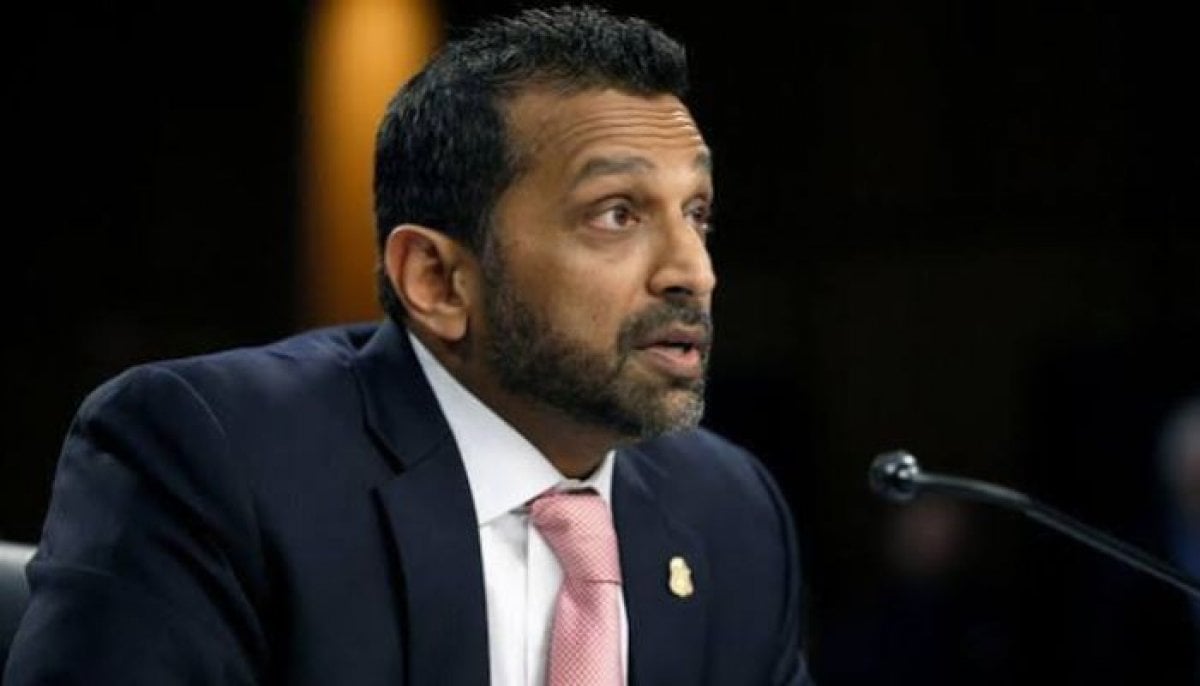 FBI arrests another suspect linked to ShinyHunters case, Kash Patel says
 -
 China sharpens tech ambitions with new AI-focused economic guidelines
 -
 OpenAI, Anthropic prepare for public backlash after catastrophic AI event: Report
 -
 Amazon may know more about you than you think: Here’s how
 -
 Can you get banned for insulting Claude? Here’s what policy says
 -
 SpaceX vs. Telecom: Elon Musk's Starlink enters mobile market—What to know