
Sri Lanka needs to seal debt deals as IMF sees signs of recovery
Having received $2.9bn bailout, South Asian country is on path to recovery from its worst financial crisis in 7 decades, it says
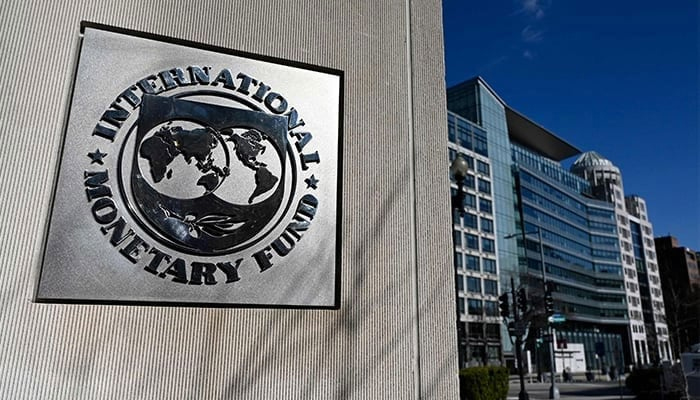
COLOMBO: The International Monetary Fund (IMF) said it remains critical for Sri Lanka to swiftly reach final agreements with its official lenders and reach a deal with external private creditors, after concluding a staff visit to the island nation on Friday.
Having received a $2.9 billion bailout loan agreement from the Fund, the South Asian country is on the path to recovery from its worst financial crisis in seven decades, it said. "The economic reform program implemented by the Sri Lankan authorities is yielding the first signs of recovery," IMF said in a statement.
"However, challenges remain as these improvements need to translate into improved living conditions for Sri Lanka's people." At the beginning of the year, Sri Lanka had to raise its value-added tax (VAT) to 18 percent from 15 percent to meet revenue targets set under the four-year IMF programme.
The International Monetary Fund said swift progress towards the introduction of a progressive property tax is also key to ensuring fair burden sharing while sustaining the revenue-based consolidation.
It added that tax policy measures need to be accompanied by strengthening administration, removing exemptions, and actively eliminating tax evasion to make the reforms more sustai able and further build confidence among creditors to support Sri Lanka's efforts to regain debt sustainability.
"A swift completion of final agreements with official creditors and reaching a resolution with external private creditors remain critical," Peter Breuer, IMF's senior mission chief in Sri Lanka, added. Sri Lanka also needs to work on converting ongoing negotiations with bondholders into in-principle agreements and completing the process ahead of the second review which will be held in spring, Breuer said.
In November, a group of creditors holding Sri Lanka's international bonds had said that while they welcomed the country's debt restructuring agreement with its official creditors, the lack of transparency on deals struck so far was regrettable.
The IMF said in a statement that it will formally assess Sri Lanka's progress against the set parameters at the second review. Separately, Breuer said good governance in fiscal policy is important for the continued recovery of the economy and added that the government would release its action plan on the same in February.
The IMF said Sri Lanka needs to keep pursuing reforms. "Staying the course on the reform agenda is necessary for this stabilisation to evolve into broad-based and stable growth that will ensure a full and lasting economic recovery benefiting the people," it said in its statement.
Sri Lanka’s economy is showing the first signs of recovery after six quarters of contraction. The IMF, which approved a $1.5 billion Extended Fund Facility (EFF) arrangement for Sri Lanka in 2021, said real gross domestic product (GDP) grew by 1.6 percent year-on-year in the third quarter of 2023, the first positive growth since the first quarter of 2022.
“Shortages of essentials have eased, and inflation remains contained. Gross international reserves increased by $2.5 billion during 2023, and preliminary data point to improved fiscal revenue collections during the fourth quarter of 2023,” the International Monetary Fund said.


