Can Keir Starmer’s successor stabilize UK markets amid rising pressures? Here's what to expect
Speculation over Keir Starmer’s potential departure rattles markets, with investors watching closely for signs of fiscal discipline from any successor
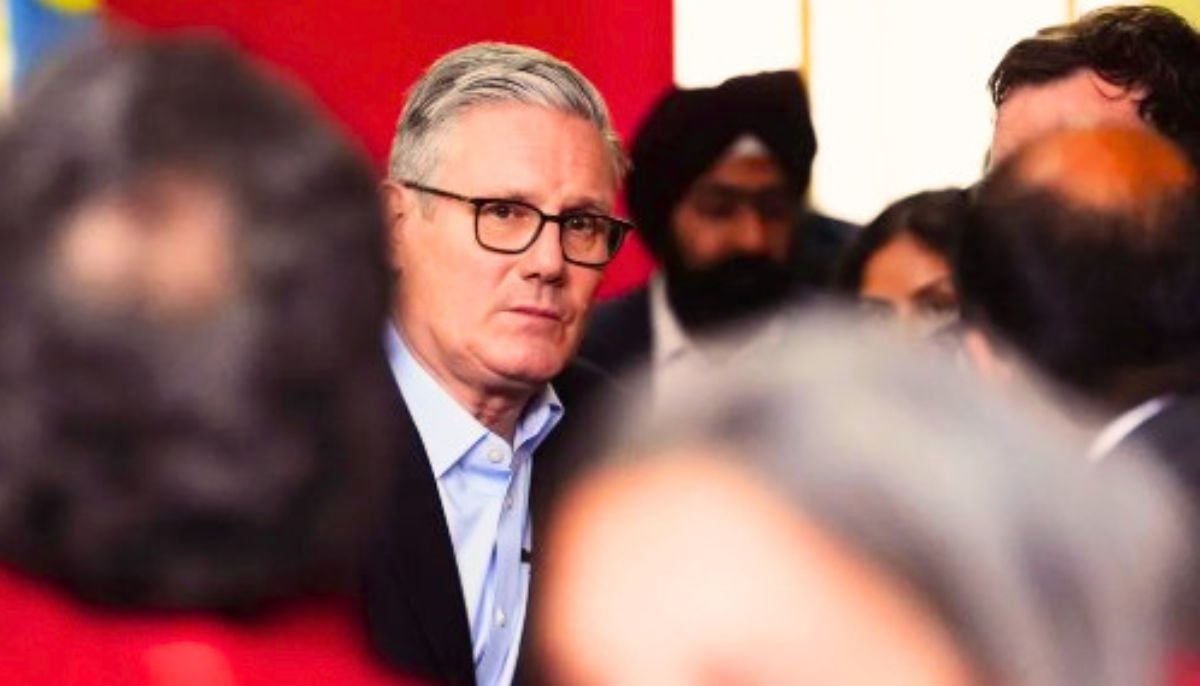
As Britons are eyeing Prime Minister Keir Starmer's potential departure, they also weigh if the new successor would be able to stabilize the UK economy after years-long challenging situations.
Feverish speculation on Tuesday about the potential departure of Britain’s prime minister sent benchmark 10-year bond yields above 5%, their highest level since 2008, amid fears his successor will tack to the left. Yet an open-ended binge looks neither necessary nor likely.
People believe Keir Starmer is a usurper and bond markets may learn to live with each other.
Starmer’s increasingly likely defenestration, following disastrous local election results, is already roiling UK assets.
Ten-year bond yields are up 15 basis points since Friday, as a wave of parliamentarians have called for him to step down.
The unprecedented danger is that a left-leaning successor, possibly Manchester Mayor Andy Burnham, announces extravagant spending promises during a lengthy leadership campaign. Investors might then panic over a bulging deficit and Britain's debt, a top 94% of GDP as of March.
Looming large is Liz Truss’s short-lived premiership. Her September 2022 "mini-budget," replete with unfunded tax cuts, caused a bond market strike that sent 10-year yields up 70 basis points to 4.5% in four days.
The same metric is already 60 basis points higher than that level, though that probably has more to do with the lingering inflation shock and a fuel crunch triggered by the Iran crisis.
The first imperative for a new leader is to avoid gratuitous assaults on UK fiscal institutions. The current finance minister, Rachel Reeves, has avoided this by publishing the Office for Budget Responsibility's forecasts alongside her budget.
She's also big on fiscal rules, which require the budget to balance and debt to fall over time.
Yet these rules could be tweaked. Reeves hopes to balance current spending and revenues, excluding investment, by 2028/2029.
That target could be put back to, say, five years without the UK looking like a fiscal basketcase and alternatively, fiscal loosening could be offset over time with cuts elsewhere.
Investor's POV about UK market stability:
Investors may assume rule-tinkering is just the start. But a new leader could curry favor by announcing a serious reform of Britain’s vast welfare state, something Reeves and Starmer have been too timid to do.
Reductions there could finance cuts to employment taxes on companies and workers, which would boost growth without damaging government finances.
Starmer’s successor may also want to nationalize more assets, such as utilities or housing. That needn’t cost the earth. Placing the sickly Thames Water into administration, for example, could be done without loads more state borrowing.
And cutting water bills or energy network charges would help consumer confidence and lower inflation, albeit at the expense of the companies’ owners.
And while these are local elections, ostensibly revolving around idiosyncratic local issues, in practice.
New looming risks amid UK economy challenges:
Whoever replaces Starmer, therefore, has some wiggle room to tack left without immolation by bond vigilantes.
The risk remains that he or she hands out large pay raises to public workers and splurges more on welfare, as Reeves and Starmer did.
Yet the fear of a Truss-style fate is likely to keep any successor's wildest impulses in check.
Notably, UK Prime Minister Keir Starmer on May 13 held talks with Wes Streeting, health minister and widely seen as one of several leadership contenders.
Over 90 members of parliament have called on Starmer to stand down following a disastrous performance in local government elections.
On May 13 the Trade Union and Labour Party Liaison Organisation, which represents Britain’s unions, said Starmer “will not lead Labour into the next election."


-
 France closes metro stations, tourist sites as 70,000 police prepare for mass protests
 -
 SpaceX restores high-speed Starlink connections above 400 km/h in Ukraine
 -
 Russia and Ukraine agree to ceasefire, plan November peace talks: What we know so far
 -
 Donald Trump lashes out on 'horrible' reporter, defends viral campaign ad
 -
 Kim Jong Un’s China visit puts North Korea-China ties in focus
 -
 Trump announces new 50 percent tariffs on Canadian goods as Maine Senate race heats up
 -
 Barack Obama joins Sherrod Brown and Abdul El-Sayed in crucial Senate election battles
 -
 Trump demands Rep. Ilhan Omar resign after DOJ court filing references over 'fake' name
-
 Carney rejects Trump administration’s accusation of Canada interfering in US midterm elections
 -
Ukraine, Russia and US set to hold key talks in Abu Dhabi in early November
-
Australia lawmaker Hannah Beazley’s staff threatened days after Helen Haines attack
-
New York AG Letitia James challenges attempt to disqualify her from Cornell investigation