Iran war could cost US taxpayers $1 trillion, expert warns
The US Department of Energy expects oil prices to remain above $100 per barrel in the coming weeks
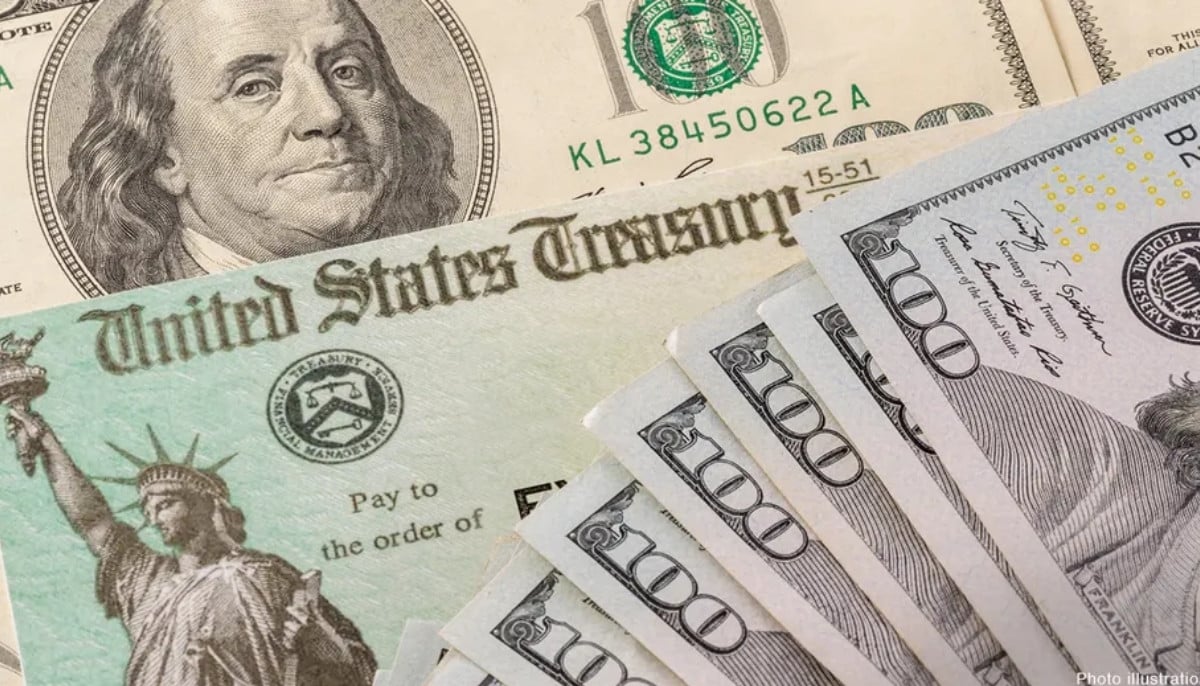
The financial cost of the ongoing Iran conflict for the United States could eventually exceed $1 trillion, according to a leading public policy expert.
The Pentagon said on Tuesday that the current direct cost of the war has risen to $29 billion, up from an earlier estimate of $25 billion provided to Congress two weeks ago.
Officials said the revised figure includes updated operational expenses as well as the cost of replacing and repairing military equipment.
However, policy analyst at Harvard Kennedy School, Linda Bilmes believes the long-term financial burden will be far greater.
Bilmes estimates the total cost to American taxpayers could reach at least $1 trillion once future military repairs, weapons replacement and healthcare costs for veterans are included.
She said short-term expenses include missiles, bombs, aircraft carrier operations, combat pay and the replacement of destroyed military assets such as drones and fighter jets.
Bilmes also noted that replacing modern weapons systems often costs significantly more than their listed inventory value.
The conflict is also affecting the wider economy through higher energy prices.
The US Department of Energy expects oil prices to remain above $100 per barrel in the coming weeks, while some analysts warn petrol prices in the United States could rise to $5 per gallon.






-
 Google agrees biggest carbon-removal deal: What to know
 -
 Russia proposes plan to prevent space arms race after US weapons admission
 -
 Nandy calls for action against ‘doxxing’ after RNLI volunteers exposed online
 -
 Kosovo ex-president Hashim Thaci sentenced to 25 years in Hague war crimes trial
 -
 UK inflation hits 5-month high of 3.1% as soaring petrol and diesel prices squeeze households
 -
 Trump administration escalates pressure on South Africa with new sanctions
 -
 EU chief von der Leyen vows 'all tools' to slash €1B-a-day China trade deficit
 -
 UK FCA eyes tokenized gold to boost London wholesale market liquidity—Here's why it matters